
In the heart of rural landscapes, where the rhythm of life is closely intertwined with the cycles of harvest, an innovative transformation is quietly unfolding. Mini rice mills, once considered niche equipment, are now emerging as vital assets for local farmers seeking to enhance both their productivity and livelihood. This article delves into the multifaceted benefits these compact milling machines afford to agricultural communities. From reducing post-harvest losses to empowering small-scale growers with greater control over their produce, mini rice mills are not just machines; they are catalysts for sustainable development. Join us as we explore how these technological advancements are carving out new pathways for success in the agricultural sector, fostering resilience and prosperity in the lives of those who nurture our fields.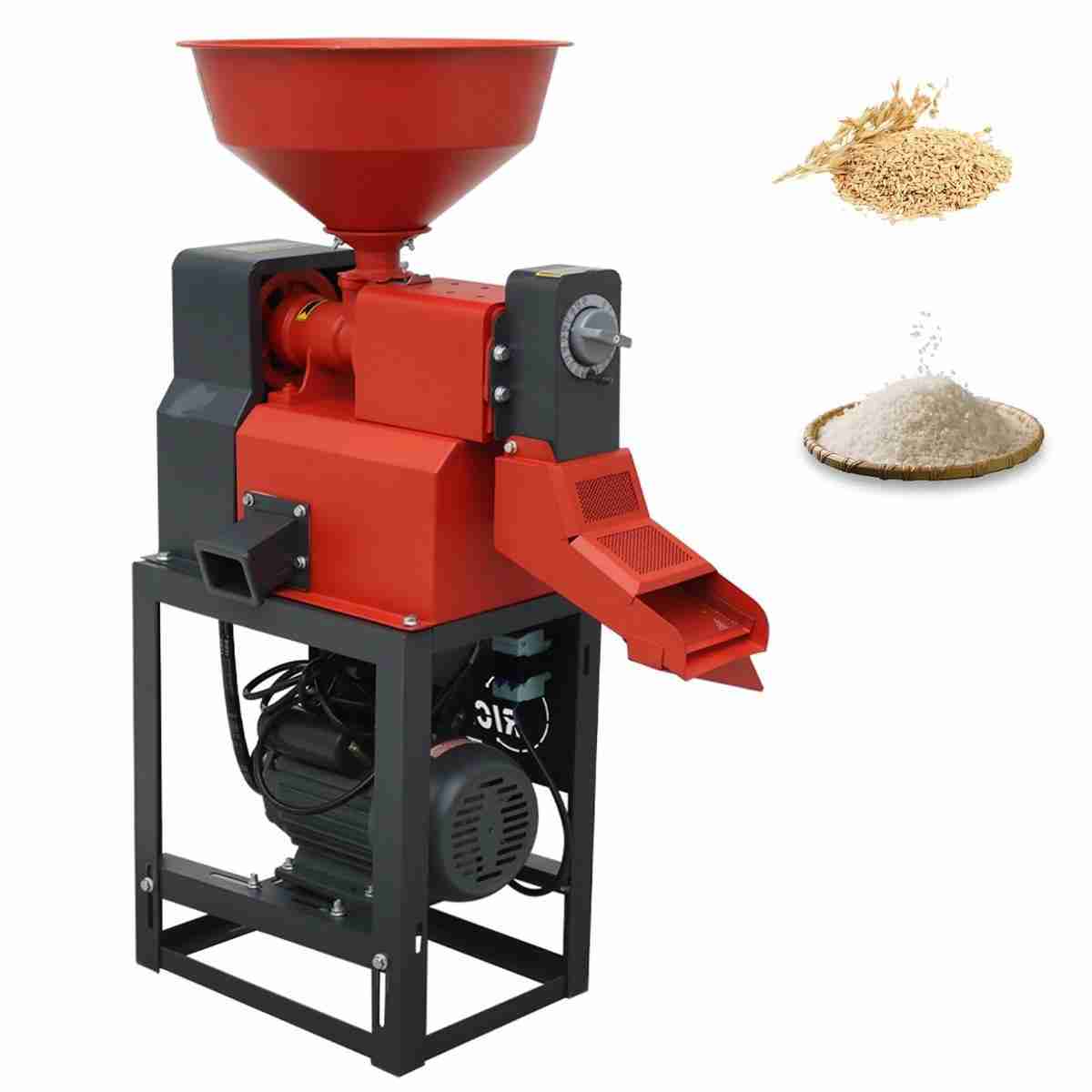
Understanding the Advantages of Mini Rice Mills for Sustainable Agriculture
Mini rice mills are revolutionizing the agricultural landscape, particularly for local farmers looking to improve efficiency and sustainability. These compact machines have gained popularity due to their ability to process rice with minimal energy consumption, thus reducing the overall carbon footprint. By making it easier to mill rice on-site, farmers can maintain greater control over the quality and freshness of their produce. Key advantages include:
- Cost-Effective Processing: Mini rice mills require less investment compared to traditional larger mills, enabling more farmers to engage in rice milling.
- Reduced Transportation Needs: By milling rice on-site, farmers can save significant time and costs associated with transporting raw paddy to distant milling centers.
- Empowerment of Local Economies: Increased milling opportunities can lead to the development of local businesses and job creation within the community.
Moreover, mini rice mills contribute to food security by ensuring that rice is milled fresh and stored appropriately, reducing post-harvest losses. Their compact design allows for better adaptability in rural settings where space might be limited, promoting the integration of technology in local farming practices. To illustrate their environmental benefits, consider the impact on resource usage:
| Resource | Traditional Mill | mini rice mill |
|---|---|---|
| Energy Consumption | High | Low |
| Water Usage | Moderate | Minimal |
| Space Requirement | Large | Compact |
Ultimately, the move towards mini rice mills fosters a sustainable agricultural model that not only supports local farmers but also addresses global challenges such as climate change and food insecurity. As more farmers adopt these innovative solutions, they pave the way for a more resilient and sustainable agricultural future.

Empowering Local Farmers through Affordable Milling Solutions
Mini rice mills have emerged as a significant catalyst for empowering local farmers by providing cost-effective and efficient milling solutions that directly enhance their productivity. By reducing the reliance on centralized milling facilities, these small-scale machines enable farmers to process their paddy close to home. This shift not only minimizes transportation costs but also helps farmers retain a higher percentage of their profits. Key advantages include:
- Accessibility: Local farmers can access milling services that were previously out of reach.
- Quality Control: Farmers can oversee the milling process, ensuring better quality rice that meets market standards.
- Time Efficiency: With milling taking place on-site, farmers can save precious time that can be spent on other essential farming activities.
Moreover, these mini mills can catalyze community development by fostering local entrepreneurship. Farmers can establish milling cooperatives that allow them to pool resources and share the costs of equipment. This not only strengthens community ties but also encourages knowledge sharing and skill development among members. Consider the following benefits that emerge through collective efforts:
| Benefit | Description |
|---|---|
| Cost Sharing | Reduces the financial burden on individual farmers by sharing equipment and operational costs. |
| Skill Development | Group training sessions can enhance milling knowledge and techniques among members. |
| Market Power | Stronger negotiation positions with buyers due to larger collective outputs. |
Enhancing Crop Quality and Market Value with Mini Rice Mills
Mini rice mills offer transformative advantages for local farmers aiming to improve both the quality of their crops and the value they bring to market. By processing rice on-site, farmers can directly control the milling process, ensuring that the grains are hulled and polished to perfection. This results in higher-quality rice, which is not only more appealing in appearance but also provides better taste and texture, meeting consumer expectations more effectively. The convenience of local processing reduces the efforts associated with transportation, allowing farmers to save time and resources while minimizing losses caused by delays and degradation of their produce during transit.
Moreover, the enhanced quality of rice leads to greater market value, enabling farmers to negotiate better prices for their products. Increased consumer awareness about the nutritional benefits of fresh, locally milled rice boosts demand, further uplifting the price point for farmers. Key advantages of mini rice mills include:
- Cost Efficiency: Reduced transportation costs and connection to local markets.
- Quality Control: Direct oversight of the milling process leads to superior product outcomes.
- Adaptability: Easy integration into existing farming operations offers flexibility.
| Feature | Benefit |
|---|---|
| On-Site Milling | Fresher rice with enhanced taste and nutritional value |
| Lower Operating Costs | Increased profitability for farmers |
| Improved Market Access | Better pricing strategies in local markets |
Building Community Resilience and Economic Growth in Farming Regions
Mini rice mills are revolutionizing the agricultural landscape in rural communities, providing local farmers with an opportunity to enhance productivity and profitability. By reducing dependence on large processing facilities, these mills empower farmers to take control of their harvests. This localized approach fosters self-sufficiency and directly mitigates the risks associated with global supply chain disruptions. Furthermore, mini rice mills can be operated by small groups or cooperatives, nurturing collaboration and strengthening communal bonds. Farmers can quickly process their rice post-harvest, ensuring freshness and quality, which is vital for market competitiveness.
The benefits extend beyond immediate processing gains, impacting economic stability in farming regions. For instance:
- Job Creation: Mini rice mills create local employment opportunities, reducing migration to urban areas and keeping families connected.
- Value Addition: Farmers can enhance their income by transforming raw rice into branded products, such as rice flour or packaged rice.
- Community Development: Profits reinvested into the community can lead to infrastructure improvements, education programs, and healthcare initiatives.
To illustrate the transformative influence of mini rice mills, the following table captures the direct economic impacts observed in various regions:
| Region | Increase in Local Employment (%) | Rise in Farmers’ Income (%) |
|---|---|---|
| Central Valley | 35 | 40 |
| Green Pastures | 50 | 25 |
| Sunrise Farms | 20 | 30 |
This data illustrates the significant proof of concept for mini rice mills as a driver for resilience and growth in farming communities, paving the way for a sustainable future. By investing in local processing capabilities, farmers not only secure their livelihoods but also lay the groundwork for prosperous, self-reliant agricultural ecosystems.
Key Takeaways
the rise of mini rice mills marks a transformative step for local farmers, bridging the gap between traditional methods and modern agricultural practices. By providing accessible processing solutions, these small-scale mills empower farmers to take control of their harvests, enhance the quality of their produce, and improve their economic standing. As we continue to explore innovative technologies in agriculture, the mini rice mill stands out not just as a tool, but as a catalyst for sustainable development in rural communities. As these farmers embrace this change, they not only secure their livelihoods but also contribute to the broader tapestry of food security and economic resilience. The journey toward agricultural modernization is long, but with every grain milled, the vision of thriving local economies comes closer to fruition.



