
Unlocking the Journey: The Art and Science of Paddy Processing
In the lush, verdant landscapes of rice-producing regions, the humble paddy grain embarks on a transformative journey from field to fork. As farmers nurture their crops, they are well aware that this is not merely the cultivation of a staple food; it is the delicate interplay of tradition and innovation, labor and technology. The process of paddy processing is a remarkable blend of art and science, where centuries-old techniques harmonize with modern advancements to ensure every grain reaches its fullest potential. In this exploration, we will delve into the intricacies of this essential journey, illuminating the craftsmanship behind each stage—from harvest to milling and beyond—while highlighting the critical advancements that have optimized the efficiency and sustainability of rice production. Join us as we unlock the secrets behind paddy processing, a vital endeavor that nourishes billions and shapes culinary traditions across the globe.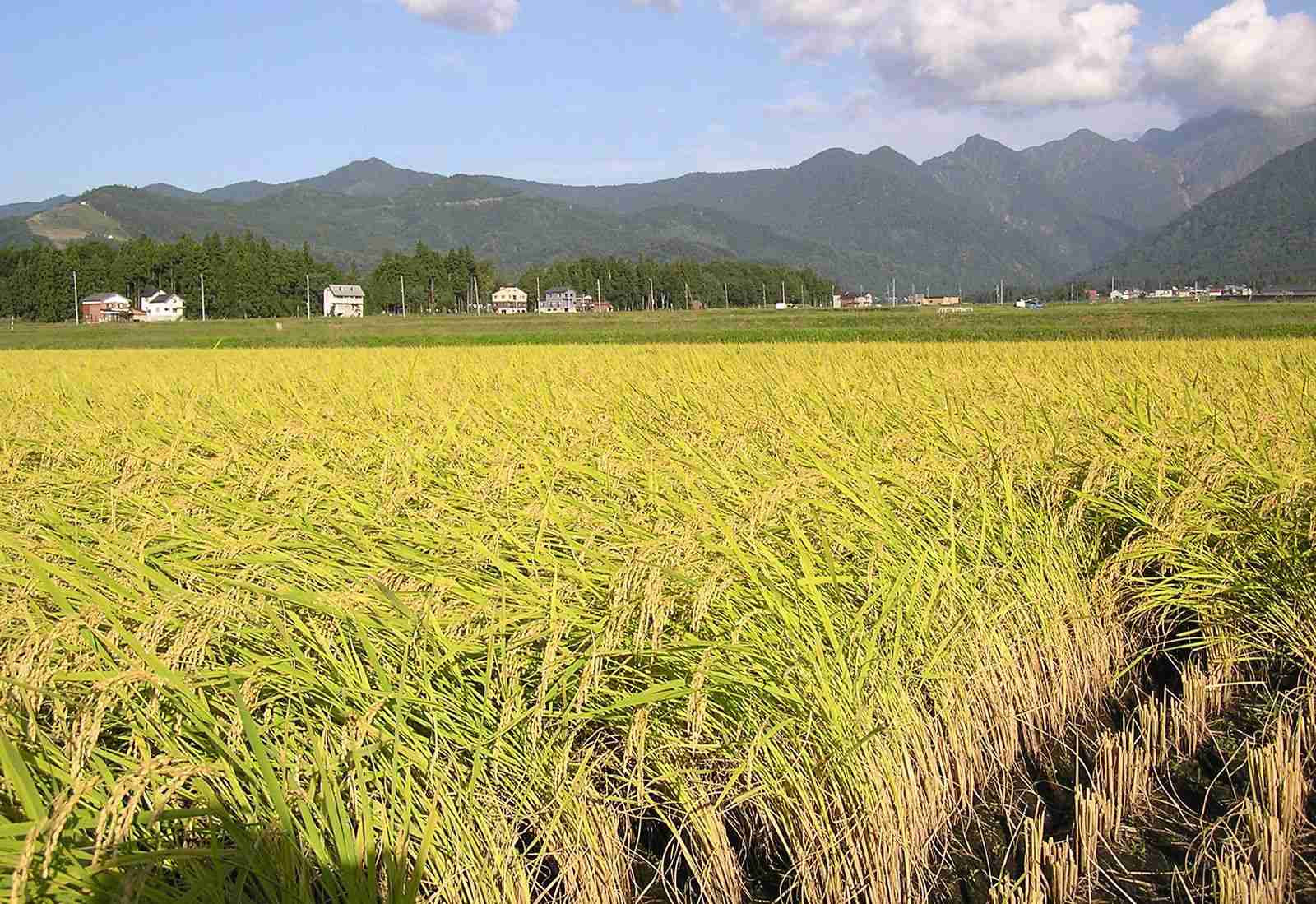
Exploring the Fundamentals of Paddy Cultivation and Harvesting Techniques
Paddy cultivation is a meticulous process that harmonizes traditional wisdom with modern agricultural practices. To start, the preparation of the land is vital, requiring systematic drainage and leveling to facilitate even water distribution. Farmers often employ a variety of tools and methods, such as plowing, harrowing, and puddling, to create the perfect seedbed. Choosing the right variety of rice plays a crucial role, as different cultivars thrive in specific climates and soils. The following are essential components of successful paddy cultivation:
- Seed Selection: Selecting disease-resistant and high-yield varieties.
- Water Management: Implementing an appropriate irrigation system to maintain optimal water levels.
- Fertilization: Utilizing organic and inorganic fertilizers to enhance soil fertility.
- Pest Control: Employing integrated pest management strategies to minimize crop loss.
Once the paddy reaches maturity, the harvesting phase begins, demanding careful attention to detail to ensure quality preservation. Timing is critical; harvesting too early can result in lower yields, while late harvesting may lead to grain shattering. Farmers typically use a combination of traditional and mechanized methods for harvest, including hand-cutting with sickles or mechanical harvesters. Proper post-harvest handling techniques are vital to prevent spoilage and maintain grain quality, encompassing steps such as drying, milling, and storage. A simplified overview of these techniques is reflected in the table below:
| Post-Harvest Technique | Description |
|---|---|
| Drying | Reduces moisture content to prevent spoilage. |
| Milling | Processes harvested paddy into white rice. |
| Storage | Utilizes airtight containers to protect against pests and moisture. |

Mastering the Milling Process: Transforming Paddy into Premium Rice
Transforming paddy into premium rice is a meticulous process that balances both art and science, ensuring that every grain retains its nutritional value and culinary appeal. The journey begins with the careful selection of paddy, as quality grains form the foundation for fine rice. Once harvested, the paddy undergoes several essential steps, including cleaning, steaming, and milling. During milling, the outer husk is removed to reveal the brown rice beneath, which is then further processed to eliminate the bran layer for white rice. This stage is crucial, impacting taste, texture, and nutritional content.
After the initial milling, additional refining can enhance the quality even further. Techniques such as polishing and grading ensure that only the finest grains reach consumers. Each step in this transformative process is monitored with precision, as variations in temperature and timing can greatly influence the final product. Below is a brief overview of the critical stages in milling:
| Stage | Description |
|---|---|
| 1. Cleaning | Removal of impurities and foreign materials from the paddy. |
| 2. Steaming | Gently humidifying paddy to enhance milling efficiency. |
| 3. Milling | Separation of husk and bran layers from the rice grain. |
| 4. Polishing | Improving the appearance and texture of the rice. |
| 5. Grading | Sorting rice based on quality and grain size for marketing. |
Nutritional Benefits of Processed Rice: From Farm to Fork
The journey of rice from paddy to plate holds a treasure trove of nutritional benefits that many may overlook. One of the most significant advantages of processed rice is its adaptability. By refining brown rice into white, nutrients such as starch are enhanced, creating a versatile grain that absorbs flavors well in various cuisines. Furthermore, the processing techniques not only extend the shelf life of rice but also preserve essential nutrients, such as vitamins and minerals. Among these, the following elements stand out:
- Carbohydrates: Processed rice is a potent energy source, providing quick-release energy for daily activities.
- Fiber: Brown rice, a minimally processed form, retains its hull and bran, offering a healthy dose of fiber that aids digestion.
- Vitamins: Enrichment processes can fortify rice with essential B vitamins, crucial for metabolism.
- Minerals: Rice can be a source of iron and magnesium, contributing to overall health.
Moreover, the processing of rice creates a unique platform for innovation in nutrition. With advancements in food technology, fortified rice varieties can offer targeted nutritional benefits to address specific dietary deficiencies. For example, iron-fortified rice can combat anemia in regions where iron deficiency is prevalent. Below is a simplified overview of how processed rice supports these nutritional goals:
| Type of Rice | Key Nutritional Advantages |
|---|---|
| Brown Rice | High in fiber, rich in antioxidants |
| White Rice | Quick energy, easy digestibility |
| Fortified Rice | Added vitamins and minerals for health improvement |
Sustainable Practices in Paddy Processing: Balancing Efficiency and the Environment
The paddy processing industry has witnessed a transformative shift, emphasizing the integration of sustainable practices that not only enhance efficiency but also safeguard the environment. The adoption of environmentally friendly technologies is crucial, as it helps reduce waste and lowers energy consumption during processing. Some of the sustainable methods being implemented include:
- Water Management: Utilizing advanced irrigation techniques to minimize water usage.
- Biomass Energy Utilization: Converting rice husks and other by-products into renewable energy for processing operations.
- Eco-Friendly Chemical Use: Opting for organic and biodegradable chemicals in the milling process to prevent soil and water contamination.
In addition to operational improvements, paddy processors are increasingly focused on community engagement and education. They are fostering awareness around the importance of sustainable agriculture, which not only benefits their operations but also enhances local ecosystems. By collaborating with local farmers and organizations, processors can ensure a holistic approach to sustainability. The initiatives may include:
- Training Programs: Offering workshops to educate farmers on sustainable paddy cultivation practices.
- Soil Health Awareness: Promoting practices that enrich soil quality and encourage biodiversity.
- Market Access for Organic Products: Helping farmers transition to organic farming and gain access to lucrative markets.
| Sustainable Practices | Benefits |
|---|---|
| Water Management | Conserves resources and reduces costs |
| Biomass Energy | Reduces reliance on fossil fuels |
| Community Training | Empowers local farmers and promotes best practices |
In Retrospect
As we conclude our exploration of “Unlocking the Journey: The Art and Science of Paddy Processing,” it becomes clear that this intricate and multifaceted process is more than just a series of mechanical steps; it embodies the essence of agricultural heritage, innovation, and sustainability. Each grain of rice, from its humble beginnings in the paddy field to the moment it graces our tables, tells a story of human ingenuity and the relentless pursuit of excellence.
By understanding the delicate balance between traditional techniques and modern technology, we gain deeper insight into the challenges and triumphs that shape the industry today. As we move forward in a world that increasingly values efficiency and sustainability, the journey of paddy processing will continue to evolve, reflecting both our respect for nature and our commitment to nourishing communities.
Let us appreciate this journey not just as a means to an end, but as a celebration of the artistry involved in growing, processing, and enjoying one of the world’s most essential foods. As we unlock the mysteries behind each step, we discover new ways to honor the past while paving the path for a more sustainable future in rice production.



