
In the lush expanses of modern agriculture, where tradition meets innovation, the race for efficiency is more crucial than ever. As global demand for rice continues to surge, the spotlight is increasingly shining on one of the unsung heroes of this industry: the combined rice mill. These integrated facilities promise not only to streamline the processing of this staple grain but also to bolster sustainability and improve economic viability for farmers and producers alike. In this article, we embark on a journey to explore the efficiency of combined rice mills, examining how their design and operation can transform agricultural practices. From reducing energy consumption to optimizing resource use, we will uncover the multifaceted benefits of this technology, while also addressing the challenges that lie ahead in achieving a future where every grain counts. Join us as we delve into the mechanics of combined rice mills and their pivotal role in shaping the future of rice production.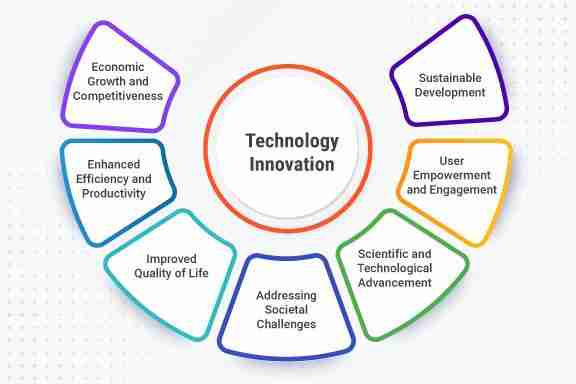
Harnessing Technological Innovations in Combined Rice Mills
In the quest for sustainable agriculture, the integration of cutting-edge technologies has redefined processing techniques in rice milling facilities. By utilizing advancements such as automation, IoT-enabled sensors, and data analytics, combined rice mills are enhancing their operational efficiency and productivity. Automation minimizes human error and streamlines processes, allowing for increased throughput and consistent product quality. Furthermore, IoT-enabled sensors monitor real-time parameters such as moisture levels and temperature, ensuring optimal processing conditions while reducing waste. Data analytics tools equip mill operators with insights to forecast demand and adjust production schedules, leading to reduced downtime and improved resource management.
Adopting these technological innovations not only boosts operational effectiveness but also supports sustainable practices. Key benefits include:
- Resource Optimization: Streamlined energy and water usage.
- Waste Reduction: Minimization of by-products through precise milling processes.
- Improved Quality Control: Enhanced product consistency through automated monitoring.
- Enhanced Traceability: Integration of technology allows thorough tracking from field to mill.
To further illustrate these advancements, consider the following comparative metrics of traditional vs. combined rice mills:
| Feature | Traditional Mills | Combined Rice Mills |
|---|---|---|
| Processing Time | Varies by operation | Significantly reduced |
| Energy Consumption | High | Optimized |
| Waste Generation | High | Minimized |
| Quality of Rice | Inconsistent | Consistently high |

Optimizing Production Processes for Enhanced Yield
In the quest for maximized agricultural output, the integration of technology in rice milling has emerged as a transformative approach. By optimizing production workflows, mills can significantly enhance yield and reduce wastage. Key strategies include:
- Automation: Implementing automated processes minimizes human error and accelerates production rates.
- Quality Control: Regular monitoring of input quality ensures that only the best grains are processed, leading to superior final products.
- Energy Efficiency: Utilizing energy-efficient machinery not only decreases operational costs but also lowers the environmental footprint of production.
Moreover, collaborative efforts between farmers and mill operators can yield substantial benefits. Establishing sustainable practices allows for mutual growth, and encourages the sharing of resources. Consider the following factors that bolster productivity:
| Factor | Effect on Yield |
|---|---|
| Crop Rotation | Improves soil fertility, leading to better yields. |
| Integrated Pest Management | Reduces crop loss due to pests, enhancing overall production. |
| Water Management | Ensures optimal irrigation and reduces water waste, boosting crop health. |
Sustainability Practices in Modern Rice Milling Operations
Modern rice milling operations are increasingly embracing sustainability practices, significantly reducing their environmental footprint while enhancing operational efficiency. These practices often include the integration of energy-efficient machinery and renewable energy sources such as solar and bioenergy. The use of technologies that optimize water usage, alongside the implementation of waste management protocols, contributes to a cleaner and more sustainable milling process. Furthermore, many rice mills are shifting to closed-loop systems that recycle byproducts, thereby minimizing waste and promoting resource conservation.
Moreover, collaboration within the supply chain plays a crucial role in achieving sustainability goals. Many mills are now prioritizing relationships with local farmers who practice sustainable agriculture. By sourcing rice from farms that employ organic methods and low-impact farming techniques, mills ensure a product that not only meets consumer demand for environmentally friendly options but also supports local economies. To illustrate these advancements, the following table outlines key sustainability measures adopted by modern rice milling operations:
| Measure | Description | Benefits |
|---|---|---|
| Energy Efficiency | Utilizing energy-efficient machines and processes | Reduction in energy costs and greenhouse gas emissions |
| Water Conservation | Implementing advanced irrigation and processing techniques | Minimization of water waste and enhanced resource management |
| Waste Utilization | Recycling byproducts and waste materials | Promotion of a circular economy and reduced pollution |
Investment Strategies for Future-Ready Agricultural Solutions
In the quest for sustainable agricultural practices, investment in combined rice mills represents a pivotal strategy for enhancing productivity and operational efficiency. These mills integrate multiple processing stages, allowing for reduced energy consumption, lower labor costs, and enhanced product quality. By embracing technological advancements like automation and IoT integration, investors can significantly cut down on waste while improving output consistency. Not only do combined rice mills contribute to streamlining supply chains, but they also bolster local economies by providing jobs and supporting smallholder farmers in the region.
Additionally, as climate change continues to pose threats to conventional farming, innovative rice milling solutions can play a critical role in climate resilience. Key investment areas include:
- Research and Development: Fostering innovation in milling technologies to create machines that are energy-efficient and adaptable to varying crop conditions.
- Sustainability Initiatives: Investing in eco-friendly practices that reduce the carbon footprint of processing operations.
- Training Programs: Equipping farmers and mill operators with knowledge on best practices and optimal usage of combined milling systems.
To visualize the potential advantages, consider the following table outlining the benefits of investing in advanced combined rice mills versus traditional milling systems:
| Aspect | Combined Rice Mills | Traditional Milling Systems |
|---|---|---|
| Energy Efficiency | High | Moderate |
| Labor Requirements | Reduced | High |
| Product Quality | Consistent | Variable |
| Environmental Impact | Low | High |
In Conclusion
the exploration of combined rice mills in modern agriculture reveals a landscape ripe with potential and innovation. As we navigate the intricate dance between technology and tradition, it becomes clear that these integrated systems are more than mere tools; they are catalysts for a transformation in agricultural practices. By enhancing efficiency, reducing waste, and promoting sustainability, combined rice mills not only streamline the production process but also empower farmers to thrive in a competitive market.
As we look ahead, the continued advancement of such technologies will be pivotal in addressing the challenges of food security and environmental conservation. By harnessing the synergy between mechanization and cultivation, we empower agricultural communities to embrace the future with resilience and adaptability. Ultimately, the journey of modern agriculture, enriched by the evolution of combined rice mills, holds the promise of a greener, more prosperous world for generations to come. As we bid farewell to our exploration, let us carry forward the lessons learned and remain steadfast in our pursuit of agricultural excellence.



