
Nestled within the lush landscapes of fertile fields, where the golden hues of ripening rice sway gently in the breeze, lies a fascinating hub of innovation and tradition—a modern paddy processing plant. Here, the journey of grain transforms dramatically, shifting from humble harvests to polished products ready for tables around the world. This article embarks on an exploration of the intricate processes, cutting-edge technologies, and dedicated craftsmanship that define contemporary paddy processing. As we delve into the inner workings of this vital industry, we will uncover how these facilities not only preserve the age-old practices of rice cultivation but also embrace advancements that enhance efficiency, sustainability, and quality. Join us as we peel back the layers of mechanization and human expertise, revealing the story of grain in all its forms and the vital role it plays in feeding a global population.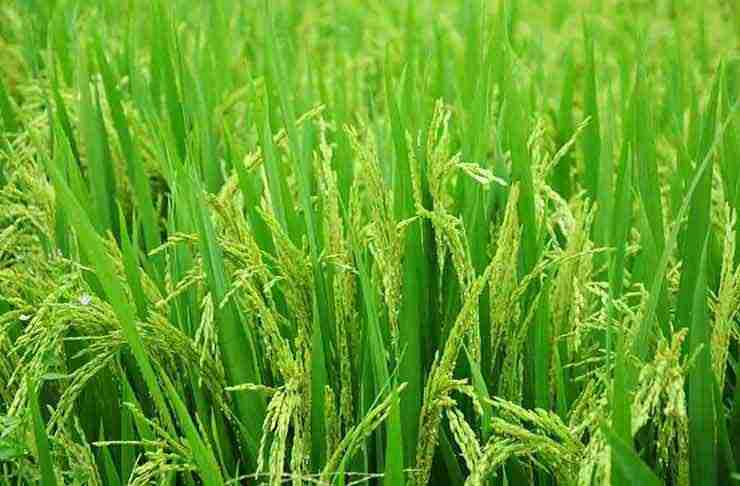
The Journey from Paddy to Polished Rice: Understanding the Processing Stages
The transformation of paddy into polished rice is an intricate dance of science and tradition, where each stage plays a critical role in determining the final quality of the product. The journey begins with harvesting, where ripe grains are carefully picked, ensuring minimal damage to the kernels. Following this, the grains undergo drying to reduce moisture content and prevent spoilage. This is where the grain spends time in solar dryers or modern mechanized facilities, focusing on achieving the perfect moisture level suitable for milling. Once dried, the paddy moves to cleaning, a meticulous process that eliminates impurities such as stones, husks, and dust, safeguarding the quality of the rice that will soon be consumed.
As the journey progresses to milling, two critical steps come into play: hulling and then polishing. Hulling involves removing the outer husk, exposing the brown rice while ensuring that the grain’s integrity is preserved. Following hulling, the rice undergoes polishing, which involves friction that removes the bran layer, enhancing the grain’s appearance and texture. The final stage is packaging, where the polished rice is stored in carefully labeled bags ready for distribution. Each of these stages is essential, creating not just a product but a connection to a rich tradition that combines both agricultural excellence and modern technology.
| Processing Stage | Purpose |
|---|---|
| Harvesting | Collecting ripe paddy grains |
| Drying | Reducing moisture to prevent spoilage |
| Cleaning | Removing impurities and ensuring quality |
| Hulling | Removing outer husk to reveal brown rice |
| Polishing | Enhancing appearance and texture |
| Packaging | Preparing for distribution |

Innovative Technologies Redefining Efficiency in Grain Processing
In the realm of grain processing, cutting-edge technologies have dramatically transformed traditional methods, introducing unparalleled efficiency and productivity. At the heart of this revolution are automated sorting systems that utilize advanced imaging and artificial intelligence to ensure high-quality outputs. By leveraging real-time data analysis, these systems can precisely identify impurities and separate them from the grain. Additionally, the integration of IoT devices throughout the processing plant allows for seamless communication between various machinery, optimizing processes and reducing downtime. The ability to monitor equipment health and performance remotely not only enhances operational effectiveness but also minimizes the risk of unexpected failures.
Furthermore, innovations such as high-capacity dryers and multi-stage milling systems have redefined throughput capabilities. These technologies incorporate energy-efficient designs that reduce consumption while improving processing speeds. The advent of smart grain storage solutions also plays a pivotal role in maintaining grain integrity by controlling temperature and humidity levels precisely. To illustrate these advancements, we can summarize some of their benefits in the table below:
| Innovation | Benefit |
|---|---|
| Automated Sorting Systems | Higher quality with fewer impurities |
| IoT Devices | Real-time monitoring and reduced downtime |
| High-Capacity Dryers | Improved throughput with lower energy use |
| Smart Storage Solutions | Maintains optimal grain conditions |
Sustainability in Action: Eco-Friendly Practices in Modern Facilities
In the heart of the modern paddy processing plant, eco-friendly practices are seamlessly integrated into every step of the workflow. From the initial stages of harvesting, technology plays a pivotal role in reducing waste and maximizing efficiency. Advanced machinery not only ensures minimal grain loss but also conserves energy, utilizing solar-powered equipment to run essential operations. This sustainable approach extends further into the facility, where rainwater harvesting systems capture natural resources for various uses, including irrigation and machinery cleaning.
Moreover, the plant prioritizes waste management through its commitment to the circular economy. By implementing biomass energy systems, leftover husks and straw from the processing stage are repurposed to generate clean energy, minimizing reliance on non-renewable sources. The facility goes above and beyond in its waste reduction strategies by fostering partnerships with local farmers, offering a platform for sharing resources and technologies that enhance productivity while protecting the environment. Here’s a look at some of the sustainable initiatives being employed:
- Energy-efficient machinery: Reduced energy consumption during processing
- Organic fertilizers: Utilization of natural compost to enrich soil
- Wastewater treatment: Filtering and recycling water for reuse
| Practice | Benefit |
|---|---|
| Solar Panels | Reduces carbon footprint by utilizing renewable energy |
| Rainwater Harvesting | Conserves water resources and supports irrigation |
| Biomass Energy | Provides a sustainable energy source from waste |
Enhancing Quality Control: Best Practices for Consistent Grain Output
To achieve optimal grain quality, processing plants must implement systematic quality control measures that start from the moment the paddy arrives. Sampling techniques play a crucial role in evaluating the quality of incoming grains. By using standardized methods to collect samples, operators can ensure an accurate representation of the overall batch. Once the paddy is sampled, it undergoes rigorous testing for moisture content, impurities, and damage levels, which are fundamental in predicting how the grains will perform during processing. By establishing clear thresholds for these parameters, plants can detect and address issues before they escalate, resulting in more consistent outputs.
After quality assessment, the focus shifts to the processing stages where advanced technology enhances precision in grain production. Employing automated sorting systems equipped with optical sensors ensures that only grains meeting quality standards are processed further. Key methods to enhance overall quality include:
- Regular equipment calibration: Ensuring that machinery is functioning optimally maximizes efficiency.
- Employee training: Regularly upskilling staff on quality checks and equipment use fosters a culture of excellence.
- Data tracking: Implementing software solutions to track grain quality over time can identify trends and areas for improvement.
In addition, performance can be quantitatively assessed through the establishment of clear quality benchmarks, reflecting the desired outcome:
| Quality Metric | Target Level | Current Measurement |
|---|---|---|
| Moisture Content | 13% – 14% | 12.5% |
| Impurities | Less than 1% | 0.5% |
| Damage Levels | Under 2% | 1.8% |
By utilizing these best practices, a paddy processing plant not only boosts its capability to produce high-quality grain but also elevates its reputation in the market, ensuring sustainability and customer satisfaction.
Final Thoughts
As our journey through the heart of the paddy processing plant comes to a close, we are left with a deeper appreciation for the intricate transformation that takes place within these towering structures. From the humble grain harvested from the fields to the polished rice that graces our tables, the modern processing plant is a marvel of technology and efficiency.
It is here that age-old traditions meet cutting-edge innovations, ensuring that the grains are not only nourished but also preserved with the utmost care. The careful orchestration of machinery and manpower reflects a commitment to quality, sustainability, and the continuing legacy of agriculture in our ever-evolving world.
As we step back from the conveyor belts and hulking silos, we recognize that this process is not merely about production. It signifies a crucial link in the global food chain, connecting farmers to consumers and embodying the promise of nourishment for communities far and wide.
In this dynamic interplay between grain and technology, we find a story of resilience and adaptation—one that will undoubtedly continue to evolve as we embark on new agricultural frontiers. As we reflect on the journey from paddy to plate, we are reminded of the profound impact these processes have on our lives, one grain at a time.



