
Behind the Scenes: The Art of Parboiled Rice Processing
In the quiet hum of grain mills and the rhythmic flow of water through sprawling fields, a culinary transformation quietly unfolds. Parboiled rice, often lauded for its nutritional benefits and unique texture, is more than just a staple on our plates; it is the product of an intricate process that melds traditional methods with modern innovations. Yet, few of us pause to consider the journey that each grain undertakes from paddy to pantry. This article invites you to step behind the scenes and explore the meticulous art of parboiled rice processing. From the careful selection of the right varieties to the science of steaming, drying, and milling, we will uncover the craftsmanship and commitment that elevate this humble ingredient into a pantry favorite cherished by cultures around the globe. Join us as we delve into the fascinating world of parboiled rice, where every step is a testament to the ingenuity of both nature and human endeavor.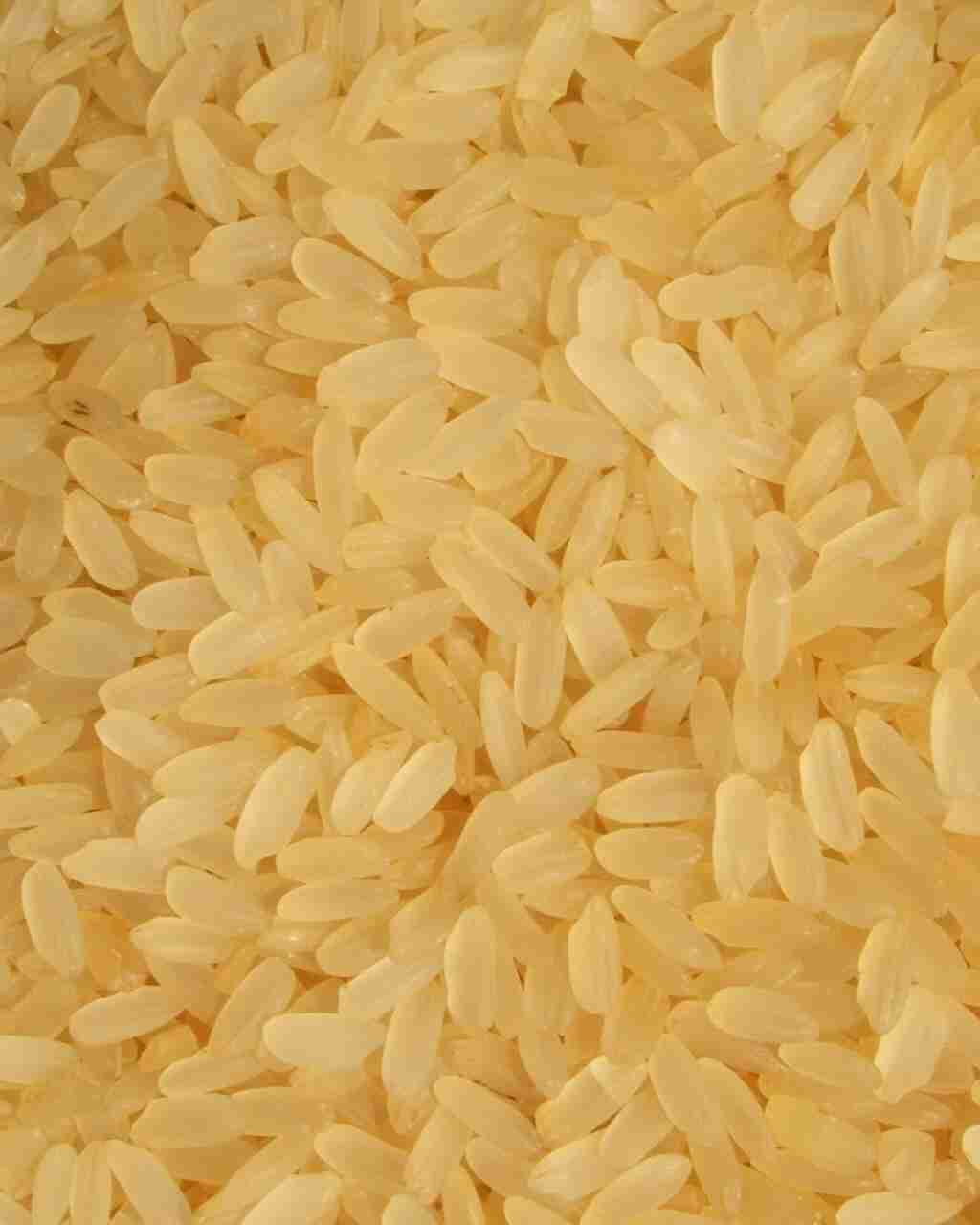
Understanding Parboiled Rice: The Science of Preparation
Parboiled rice is not just a culinary staple; it is a fascinating product of meticulous preparation that combines traditional knowledge with modern science. The process begins with soaking the raw rice grains in water, allowing them to absorb moisture. This step is crucial as it helps to pre-cook the rice, making it easier to digest and enhancing its nutritional profile. After soaking, the rice is subjected to steaming, which gelatinizes the starches, fortifying the grain and giving it a firmer texture. This transformation not only improves the rice’s resilience during cooking but also helps to retain vital nutrients lost in traditional milling processes.
The subsequent drying phase ensures that the rice can be stored without spoilage. By reducing the moisture content to optimal levels, the grains become less prone to mold and insect infestations, extending their shelf life significantly. A true testament to this process can be seen in the following table, which highlights some key nutritional benefits of parboiled rice compared to its white rice counterpart:
| Attribute | Parboiled Rice | White Rice |
|---|---|---|
| Fiber Content | Higher | Lower |
| Vitamin B Content | Retained | Reduced |
| Cooking Time | Shorter | Longer |
Through this innovative process, parboiled rice emerges not only as a versatile ingredient but also as a nutrient-rich option prioritizing health and efficiency. Beyond the kitchen, it has become an integral part of diets worldwide, thanks to its ability to bridge the gap between taste and wellness. Understanding the scientific principles behind its preparation showcases the careful craftsmanship involved in this ancient grain, revealing why it remains a favored choice among cultures and communities alike.

Essential Techniques: From Soaking to Steaming
When it comes to parboiled rice processing, the art extends far beyond simple cooking techniques. The initial soaking phase is crucial; this is where the grains absorb moisture, swelling and softening in preparation for subsequent steps. Skimming off any floating husks during this process can enhance the quality of the final product. For optimal grains, consider the following approaches during soaking:
- Temperature Control: Soaking in warm water can enhance absorption rates and improve the texture.
- Timing: A soak of 4 to 12 hours is typically ideal, depending on the grain type.
- Salt Addition: Adding a pinch of salt can help in further flavoring the rice.
Following the soaking phase, the steaming method comes into play, which is pivotal in enhancing the nutritional profile of the rice. Steaming allows the nutrients contained in the husk to migrate into the grain, a process that effectively boosts its flavor and overall health benefits. This can be broken down into key techniques:
- Water Temperature: Use boiling water for immediate steaming to lock in moisture.
- Steaming Duration: Typically, a steam time of 30–45 minutes yields perfectly cooked rice.
- Layering: Employing a basket or perforated tray for even exposure to steam ensures uniform cooking.
| Technique | Benefit |
|---|---|
| Soaking | Helps to soften the grains and reduce cooking time. |
| Steaming | Enhances nutrient absorption and flavor. |
Flavor and Texture: Enhancing Nutritional Value
When it comes to the culinary world, the flavor and texture of parboiled rice are fundamental components that elevate a dish from ordinary to extraordinary. Unlike regular white rice, parboiled rice undergoes a unique steaming process before milling, which locks in nutrients and provides a subtly nutty flavor profile. This pre-cooking method ensures that the grains remain firmer and less sticky, making them an ideal base for various dishes.
This improved texture translates into a delightful mouthfeel that complements a variety of cuisines. Here are some notable characteristics of parboiled rice:
- Nutrient Retention: The steaming process preserves vitamins and minerals that are often lost in conventional milling.
- Consistent Cooking: Parboiled rice cooks evenly, ensuring that every grain retains its individuality without clumping.
- Versatile Flavor: Its mild taste adapts well to a multitude of spices and sauces, allowing cooks to experiment with culinary creativity.
Furthermore, the nutritional profile of parboiled rice stands out, enhancing its ability to contribute positively to a balanced diet. With a higher fiber content than white rice, it supports digestion while maintaining energy levels throughout the day. The table below highlights key nutritional aspects of parboiled rice in comparison to regular white rice:
| Type of Rice | Calories (per 100g) | Fiber (g) | Protein (g) |
|---|---|---|---|
| Parboiled Rice | 123 | 1.2 | 2.7 |
| White Rice | 130 | 0.4 | 2.4 |
In the world of grains, the process of parboiling not only preserves essential nutrients but also contributes to the overall experience of enjoying rice-based meals. By understanding how flavor and texture interplay in parboiled rice, chefs can craft meals that are not just satisfying but also nourishing.
Sustainability Matters: Eco-Friendly Practices in Processing
In the journey of transforming raw rice into the beloved staple we all cherish, adopting eco-friendly practices plays a pivotal role. From the cultivation of rice paddies to the final processing stages, implementing sustainable methods ensures that the environment is preserved and resources are used wisely. Key practices include:
- Water Conservation: Utilizing techniques such as alternate wetting and drying (AWD) minimizes water usage in rice cultivation, which is essential in regions plagued by water scarcity.
- Organic Fertilizers: By opting for natural fertilizers, farmers can enhance soil health while reducing harmful chemical runoff that threatens local ecosystems.
- Waste Reduction: Processing facilities are increasingly focused on recycling by-products, such as husk and bran, into valuable animal feed or bioenergy sources.
Processing parboiled rice involves steaming the grains before milling, which not only enhances nutritional value but also reduces waste and energy consumption. The integration of renewable energy sources in processing plants, such as solar and wind power, significantly lowers carbon footprints. To visualize the impact of these eco-friendly practices, consider the following table highlighting key benefits:
| Practice | Environmental Benefit |
|---|---|
| Water Conservation | Less water depletion, preserving local aquifers |
| Organic Fertilizers | Improved soil quality and biodiversity |
| Energy Efficiency | Reduced greenhouse gas emissions |
Concluding Remarks
As we draw the curtain on our exploration of parboiled rice processing, it becomes clear that this humble grain carries with it a story rich in craftsmanship and innovation. Behind the scenes, a meticulous ballet of science and tradition unfolds—one that transforms ordinary rice into a culinary wonder celebrated across the globe. From the steeping processes that begin its journey to the steaming and drying techniques that preserve its nutrients, each step is a testament to the art of preparation.
In an age where food choices abound, understanding the intricacies of parboiled rice not only enhances our appreciation for the grain on our plates but also connects us to the cultures and practices that have perfected its processing over generations. As we conclude our behind-the-scenes journey, we invite you to carry this newfound knowledge into your kitchen, letting the story of parboiled rice enrich your meals and foster a deeper connection with the diverse world of culinary arts. Whether you’re a seasoned chef or a home cook, may you continue to explore, experiment, and savor the beautifully nuanced flavors that parboiled rice brings to your dining experience.



