
From Field to Bowl: The Art and Science of Paddy Processing
In the lush, sun-kissed expanses of rice paddies, an ancient rhythm unfolds—a dance between nature and nurture that transforms simple grains into staple sustenance. Here, the landscape is not just a setting for agriculture; it is a canvas where the artistry of paddy processing comes to life. Beneath the surface of this seemingly straightforward journey lies a complex interplay of tradition and innovation, where age-old techniques meet modern science.
As we embark on this exploration of paddy processing, we will navigate the intricate steps that take rice from its verdant origins in the fields, through harvesting, drying, milling, and ultimately, to the comforting embrace of our bowls. Each stage of this journey is a testament to human ingenuity and the relentless pursuit of perfection, revealing not only the mechanics of production but also the cultural significance of rice in communities around the world. Join us as we delve into the fascinating world where craftsmanship and scientific principles converge to elevate a humble grain into a vital source of nourishment for billions.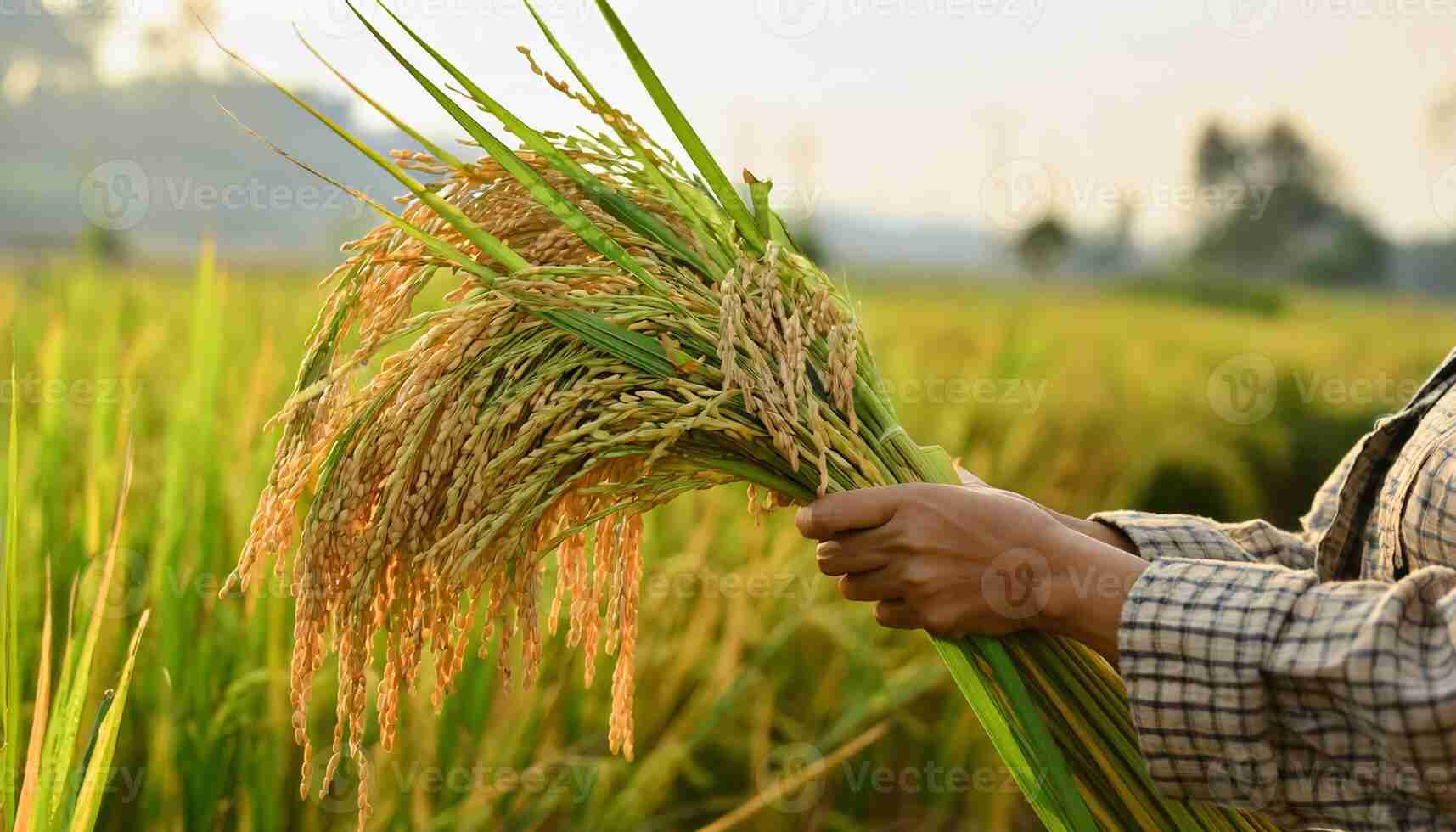
Understanding the Paddy Lifecycle from Planting to Harvest
The journey of paddy rice begins long before it reaches our bowls, starting with meticulous field preparation. Farmers traditionally plow the land, allowing the soil to breathe and ensuring it’s well-aerated for optimal growth. Once the soil is prepared, the soil’s moisture level is checked, and a well-timed planting strategy is employed. The process involves:
- Seed Selection: Choosing high-quality seeds that are suitable for the local climate.
- Sowing: The seedlings are either directly seeded or transplanted, depending on agricultural practices.
- Irrigation: Regular water management is essential, as rice thrives in flooded conditions.
- Fertilization: Nutrient-rich inputs help in fostering healthy growth.
As the plants mature, they undergo a transformation that is as scientific as it is artistic. Photoperiodism, or the response to light, plays a crucial role in flower initiation. During the latter stages, the grains develop from flowering to ripening, which is carefully monitored. Farmers must keep an eye out for:
- Pest Management: Strategies to mitigate threats from insects and diseases.
- Weed Control: Ensuring that competing flora doesn’t hinder the crop’s growth.
- Water Management: Timing the drainage of fields right before harvest for optimal grain quality.
| Growth Stage | Duration (Days) | Important Actions |
|---|---|---|
| Seedling | 30 | Regular watering; pest monitoring. |
| Tillering | 40 | Nutrient application; weed control. |
| Flowering | 30 | Pest management; irrigation checks. |
| Maturity | 30 | Drain fields; prepare for harvest. |
Mechanisms of Transformation: Milling Techniques and Innovations
In the intricate journey from field to bowl, milling techniques serve as the backbone, turning harvested paddy into the polished grains consumers recognize. Traditional methods have evolved significantly, embracing innovations that enhance both efficiency and grain quality. Modern milling incorporates precision equipment, such as:
- Continuous flow systems that streamline the process
- Electronic control systems that ensure consistency
- Advanced sieving technologies that separate husks and bran effectively
These advancements reduce waste and optimize yields while preserving the nutritional virtues of rice. The integration of technology in milling not only improves operational output but also heightens flavor profiles, offering consumers rice with superior taste and texture.
Moreover, sustainability is gaining ground as a crucial aspect of contemporary milling practices. Innovations focus on minimizing energy consumption and water usage, fostering an eco-friendly approach to production. Techniques such as:
- Eco-mills that utilize sand and gravity
- Biomass-powered milling systems
ensure that environmental impact is reduced while promoting a circular economy within the rice industry. The art of milling, in this modern context, embodies a symbiosis of tradition and technological prowess, setting a new standard in the quest for quality.
| New Techniques | Benefits |
|---|---|
| Continuous Flow Systems | Enhances processing efficiency |
| Electronic Control Systems | Ensures consistent grain quality |
| Eco-Mills | Reduces environmental impact |
Nutritional Value and Quality Control in Rice Processing
The journey of rice from the paddy field to our dining table is not merely a delightful culinary experience, but also an intricate process that emphasizes nutritional value and quality control. The nutritional profile of rice is rich, offering essential carbohydrates, modest protein, and essential vitamins and minerals. Brown rice, in particular, is celebrated for its higher fiber content, while white rice is often fortified with nutrients to enhance its dietary benefits. During processing, meticulous attention is afforded to preserving these key nutrients, ensuring that the rice retains its wholesomeness as it transitions through various stages of milling and polishing. Factors influencing this nutritional quality include:
- Varietal selection: Different rice species vary in nutritional composition.
- Milling techniques: Gentle milling preserves more nutrients compared to aggressive methods.
- Storage conditions: Proper storage prevents nutrient loss and contamination.
Quality control during rice processing is pivotal for maintaining consumer confidence and ensuring product safety. Various methods are employed at different stages of processing to eliminate impurities, enhance quality, and ensure a consistency that meets market standards. Visual inspections, moisture control, and laboratory testing are among the key strategies utilized to uphold quality. The adoption of technology, such as automated sorting machines, has revolutionized this aspect of rice processing. Essential quality parameters monitored include:
| Quality Parameter | Standard Measure |
|---|---|
| Grain Color | White with minimal discoloration |
| Moisture Content | 12-14% for long-term storage |
| Impurity Level | Less than 1% foreign material |
Sustainable Practices for Paddy Processing: Balancing Efficiency and Environmental Impact
Paddy processing has evolved to embrace a myriad of sustainable practices aimed at minimizing environmental impact while enhancing operational efficiency. Integrating methods such as water conservation, energy efficiency, and waste management into processing operations not only reduces the ecological footprint but also optimizes productivity. By adopting technologies like solar-powered machinery and biogas systems, mills can harness renewable energy sources that lower reliance on fossil fuels. Furthermore, process innovations such as parboiling can drastically reduce water usage, ensuring that resources are utilized judiciously and sustainably.
Another vital aspect is the efficient use of by-products, which often remain untapped in traditional paddy processing. Practices such as converting husks into biochar or animal feed not only create additional income streams for farmers but also promote a circular economy. Implementing organic waste composting further reduces landfill impact and enriches soil health. In this context, the table below illustrates various sustainable practices alongside their benefits:
| Sustainable Practice | Benefits |
|---|---|
| Water Recycling | Decreases water wastage, ensuring long-term resources. |
| Biogas Conversion | Produces renewable energy and reduces emissions. |
| Waste Utilization | Generates additional revenue and lowers disposal costs. |
| Organic Fertilizer Production | Enhances soil fertility and reduces chemical input needs. |
The Way Forward
As we conclude our exploration of the intricate journey from field to bowl, we invite you to reflect on the multifaceted nature of paddy processing. It is a remarkable synthesis of age-old traditions and cutting-edge science, a process where each grain embodies the labor of farmers, the wisdom of artisans, and the innovations of technology.
From the rhythmic motions of harvesting in sun-drenched fields to the meticulous steps of milling and packaging, every phase plays a crucial role in delivering the final product to your table. As consumers, our understanding and appreciation of this journey not only enhance our connection to the food we eat but also remind us of the people and practices behind it.
So, the next time you savor a bowl of rice, take a moment to recognize the artistry and diligence that have brought those grains to your dining room. In celebrating this vibrant tapestry of culture, science, and craftsmanship, we honor the fundamental human endeavor of nourishing one another, fostering a deeper respect for the essential role that rice plays in cuisines around the world.
Thank you for joining us on this enlightening journey through the field of paddy processing. May your future meals be enriched by this newfound understanding, and may we continue to appreciate the art and science that connect us all to the land.



