
In a world where culinary experiences are increasingly appreciated, the grain that serves as the foundation of countless dishes holds a vital place: rice. As diverse as the cultures that consume it, the array of rice varieties calls for careful consideration, and just as crucial is the process that transforms raw grains into the fluffy, tender morsels we relish. The journey from paddy to plate hinges on one key factor: the rice mill. With a myriad of options available, selecting the right rice mill can make all the difference in preserving the quality and flavor of rice. In this article, we’ll explore some of the best rice mills on the market, highlighting their features, performance, and suitability for various needs. Whether you are a home chef, a small vendor, or a large-scale producer, this guide will help you navigate the process and make informed choices for quality milling that enhances every meal.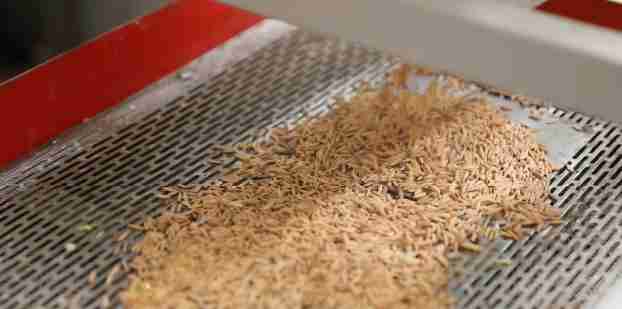
Understanding Rice Milling Techniques for Superior Quality
When it comes to rice milling, techniques play a pivotal role in determining the final quality of the rice produced. By selecting the right milling method, you ensure that the grains maintain their nutritional value and achieve the optimal texture required for various culinary applications. Key milling techniques include traditional stone milling, modern steel milling, and automated milling systems. Each method offers unique benefits that can enhance the end product. For instance, stone milling typically preserves more nutrients and flavor, while steel milling is known for its efficiency and consistency.
Understanding the nuances of these techniques can guide you in choosing the best rice mill for your needs. While stone mills may require more time and maintenance, they are favored for producing higher quality, whole grain rice. On the other hand, steel mills are advantageous in commercial settings due to their speed and scalability. Additionally, some modern milling systems integrate various technologies to control moisture levels and remove impurities, resulting in rice that is not only cleaner but also healthier. Below is a brief overview of the different milling techniques:
| Technique | Advantages | Best Use Cases |
|---|---|---|
| Stone Milling |
|
Small scale, artisanal rice production |
| Steel Milling |
|
Commercial production |
| Automated Systems |
|
Larger scale operations |

Key Features to Consider When Selecting a Rice Mill
When selecting a rice mill, several critical features should be taken into account to ensure optimal functioning and efficiency. Processing capacity is crucial; it defines how much rice can be milled per hour, affecting production timelines, especially for larger operations. Additionally, consider the quality of milling – a mill that produces less broken rice typically indicates better performance. Energy efficiency also plays a significant role in reducing operational costs, so look for machines that consume less power without compromising on output. Don’t overlook the ease of maintenance; a mill that is easy to clean and service will reduce downtime and enhance longevity.
Another vital feature is the versatility of the machine. Some rice mills are designed to handle multiple types of grains, providing added value and flexibility in managing different crops. Automation features can significantly streamline operations, enabling a user-friendly experience that requires less manual intervention. Moreover, consider the brand reputation and support services available – having access to reliable customer service and spare parts ensures peace of mind for long-term investments. Here’s a simple overview of these features in table format:
| Feature | Importance |
|---|---|
| Processing Capacity | Determines production speed |
| Quality of Milling | Minimizes broken rice |
| Energy Efficiency | Reduces operating costs |
| Ease of Maintenance | Enhances longevity |
| Versatility | Handles multiple grains |
| Automation Features | Streamlines operations |
| Brand Reputation | Access to support and parts |
Top Brands in the Market: A Review of Leading Rice Mills
In the competitive landscape of rice milling, a few names rise above the rest, recognized for their commitment to quality and innovation. Among these leading brands is ABC Rice Mills, which has built a reputation for excellence with its state-of-the-art milling technology. Their facilities are equipped with advanced machinery that ensures minimal breakage and maximum yield, enhancing both the quality and quantity of the rice produced. Furthermore, the brand emphasizes sustainable practices, utilizing eco-friendly processes that appeal to today’s environmentally conscious consumers.
Another standout is XYZ Grain Industries, noted for its diverse range of rice varieties. This brand caters to a global market, offering everything from aromatic basmati to hearty brown rice, each milled to perfection. Their rigorous quality control measures guarantee that consumers receive rice that is not only fresh but also meets international standards. Clients appreciate the consistency and taste, which have earned XYZ a loyal customer base. To illustrate the key attributes of these leading rice mills:
| Brand | Specialty | Technology | Sustainability |
|---|---|---|---|
| ABC Rice Mills | High Yield | Advanced Machinery | Eco-Friendly Practices |
| XYZ Grain Industries | Diverse Varieties | Quality Control | Global Standards |
Expert Tips for Maintenance and Longevity of Your Rice Mill
Proper maintenance is essential for ensuring the longevity and efficiency of your rice mill. Regular inspections should be conducted to catch potential issues before they escalate. Here are some key maintenance practices to follow:
- Clean the mill after each use to prevent dust and residue build-up.
- Lubricate moving parts regularly with appropriate oils to reduce friction and wear.
- Inspect belts and pulleys for any signs of damage or wear and replace them as necessary.
- Calibrate the milling settings periodically to maintain optimal performance.
Additionally, keeping a comprehensive maintenance log can help you track the performance and service history of your equipment. Below are essential components to monitor and maintain:
| Component | Maintenance Frequency | Notes |
|---|---|---|
| Feed Compartment | Daily | Ensure free from blockages. |
| Milling Chamber | Weekly | Check for wear on blades. |
| Power Supply | Monthly | Inspect for secure connections. |
| Cooling System | Quarterly | Clean filters and ensure efficiency. |
Final Thoughts
As we conclude our exploration of the best rice mills on the market, it’s evident that selecting the right one can significantly impact the quality of your grains and, ultimately, your culinary creations. From user-friendly designs to powerful milling capabilities, each pick we’ve highlighted offers unique features to suit a variety of needs and preferences.
Whether you’re a home cook eager to elevate your meals or a small business owner striving for efficiency and quality, the right rice mill can unlock a world of possibilities. Remember, investing in quality equipment not only enhances your cooking experience but also honors the tradition of rice cultivation.
As you embark on this milling adventure, consider your specific requirements and how each model aligns with your goals. With careful thought and research, you’re sure to find a rice mill that will serve you well for years to come. Here’s to fluffy rice and satisfying meals ahead—happy milling!



