
In the heart of agricultural innovation lies a transformation that is subtly yet profoundly reshaping the landscape of grain processing. As global demand for rice surges, the traditional methods of milling are being challenged by a new contender: the mini rice milling machine. This compact powerhouse is carving out a niche in both small-scale farming and burgeoning micro-milling operations, offering efficiency, affordability, and convenience that larger counterparts often struggle to match. In this article, we will explore the rise of mini rice milling machines, examining their role in streamlining grain processing and how they are empowering farmers and entrepreneurs alike. Join us on this journey through the evolving world of grain milling, where technology meets tradition and small ideas yield big results.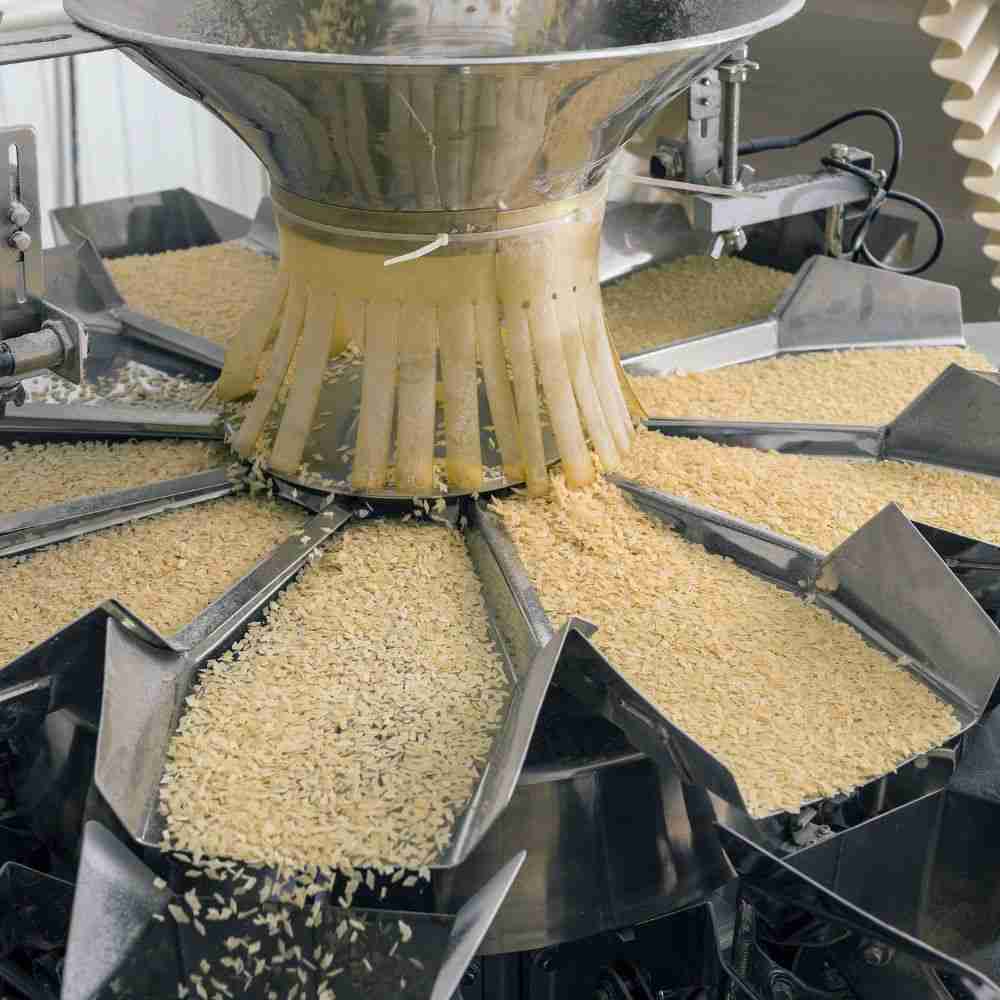
The Evolution of Rice Milling Technology Transforming Smallholder Farms
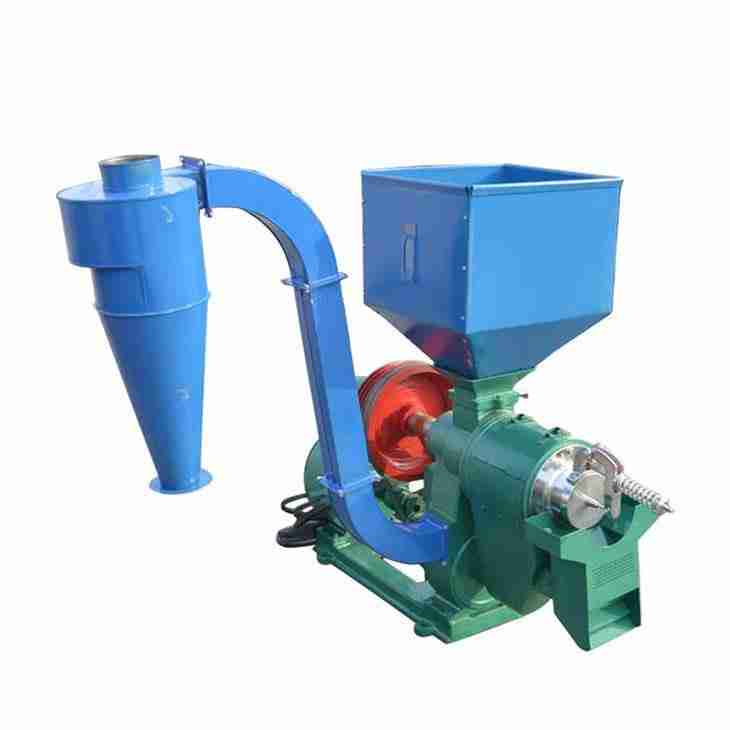
The emergence of mini rice milling machines has significantly transformed the landscape of smallholder farming. These compact, efficient devices are designed to cater to the unique needs of small-scale farmers, providing them with the means to process their harvest on-site. Unlike traditional milling systems, which often require large investments and extensive machinery, these innovations prioritize accessibility and convenience. Key features of mini rice milling machines include:
- Portability: Easily transportable to various locations on the farm, allowing for on-the-spot processing.
- Energy Efficiency: Consuming less power, making them suitable for rural areas with limited electricity supply.
- Cost-Effectiveness: More affordable, enabling smallholder farmers to invest in their productivity without significant financial strain.
Additionally, the technological advancements in milling processes have ushered in a new era of quality control and preservation. Farmers are now able to produce rice that retains higher nutritional values and better quality, which can command premium prices in local and regional markets. Moreover, these machines often include features that foster sustainable practices, such as:
- Byproduct Utilization: The capacity to make use of rice husks for energy or organic fertilizer.
- Reduction of Waste: Optimizing the milling process to minimize loss and enhance yield.
- Community Support: Features that allow for cooperative sharing among local farmers enhance community ties and resource sharing.
Benefits of Mini Rice Milling Machines for Sustainable Agriculture
Mini rice milling machines are becoming indispensable tools for farmers focused on sustainable agricultural practices. Their compact design allows for easy transportation and operation directly on-site, thus reducing the carbon footprint associated with the transportation of raw materials to larger processing facilities. These machines empower local farmers to process their rice with minimal waste and maximum efficiency. In addition, by processing rice at the community level, these machines help to stimulate local economies and improve food security by ensuring that fresh milled rice is readily available to families and local markets.
Moreover, mini rice milling machines often incorporate energy-efficient technologies that can significantly reduce energy consumption compared to traditional milling methods. They consume less water, which is particularly beneficial in regions susceptible to drought. Among the many advantages, the following stand out:
- Cost-effectiveness: Lower operational costs due to reduced labor and energy expenses.
- Quality retention: Minimizes the loss of grains’ nutritional value and taste.
- Customizability: Offers various milling options to meet different market demands.
Choosing the Right mini rice mill: Key Features and Considerations
When selecting a mini rice mill, it’s essential to consider several key features to ensure that the machine meets your specific needs and delivers optimal performance. Capacity is crucial; you need to determine how much rice you plan to process daily. Look for models that offer both manual and automatic options, giving you flexibility depending on the scale of your operations. Additionally, pay attention to the power source—electric mills are preferred for home use, while diesel-powered models are better suited for rural applications without reliable electricity.
Another important aspect involves the durability and materials used in construction. A mini rice mill made of stainless steel or high-quality alloy is likely to last longer and withstand the rigors of continuous use. Consider features such as user-friendliness—the control panel should be straightforward, simplifying the milling process for novice users. Furthermore, look for models with easy maintenance solutions, where components such as hoppers and grinders can be accessed and cleaned with minimal effort. Also, don’t forget to compare warranty and support options available from manufacturers to ensure you’ll have assistance when needed.
Future Trends in Grain Processing: Innovations Shaping the Industry
The grain processing industry is on the verge of significant transformation, with technological advancements paving the way for more sustainable and efficient operations. Mini rice milling machines are becoming increasingly popular, minimizing the requirement for large, traditional milling setups. These compact machines not only save space but also offer several benefits, including:
- Energy Efficiency: Designed to consume less energy, they help reduce electricity costs without sacrificing performance.
- Lower Capital Investment: Mini rice mills are more affordable, making them accessible for small-scale farmers and local entrepreneurs.
- Ease of Use: Simple operating procedures allow users with minimal technical knowledge to process grains effectively.
Future trends in this sector indicate a shift towards smart technology integration, where mini rice milling machines may be equipped with IoT features. These innovations could allow for real-time monitoring of grain quality, automated adjustments, and improved predictive maintenance schedules. Several key players are already experimenting with:
| Company | Innovation | Impact |
|---|---|---|
| AgriTech Inc. | IoT-Enabled Mills | Enhances data collection for quality control. |
| RicePro | Automated Grain Sorting | Improves efficiency and reduces waste. |
| EcoMills | Renewable Energy Systems | Reduces carbon footprint and operational costs. |
As the industry shifts towards these compact, high-tech solutions, it is poised to revolutionize how grains are processed, bringing both sustainability and modern efficiency to the forefront. Staying attuned to these innovations will be crucial for businesses looking to thrive in an evolving market landscape.
Insights and Conclusions
As we step into an era where efficiency and sustainability take center stage, mini rice milling machines are more than just a technological advancement; they represent a shift in how we approach agriculture and food production on a global scale. Their compact design and energy-efficient operations not only empower smallholder farmers but also promote a more decentralized food system. By streamlining the milling process, these machines significantly reduce waste, lower costs, and enhance the quality of the final product—a win-win for producers and consumers alike.
As the conversation around food security and resource optimization continues to evolve, embracing innovations like mini rice milling machines could be key to addressing some of the most pressing challenges in the agricultural landscape. With the potential for improved livelihoods and increased access to high-quality rice, these machines are poised to play an essential role in the future of food production.
In the quest for a more sustainable tomorrow, it is clear: small innovations can indeed make a big difference. Let us continue to explore and harness these technologies, paving the way for a more resilient and efficient agricultural industry.



