
From Grain to Gold: The Journey of Rice Processing Plants
In the lush fields of paddy, where emerald stalks sway gently in the breeze, lies a tale of transformation that spans from humble grain to golden harvest. Rice, a staple that nourishes billions, embarks on a remarkable journey from farm to table, shaped by the intricate machinery and craftsmanship found in processing plants. This article delves into the fascinating world of rice processing, exploring the meticulous stages that convert raw rice into the polished grains that adorn our plates. As we traverse this pathway, we will uncover not just the technological innovations that facilitate this process, but also the cultural significance and economic impact of rice processing plants in communities around the globe. Join us as we celebrate the journey of rice—from grain to gold, revealing the hidden labor and artistry that lies at the heart of one of humanity’s most essential foods.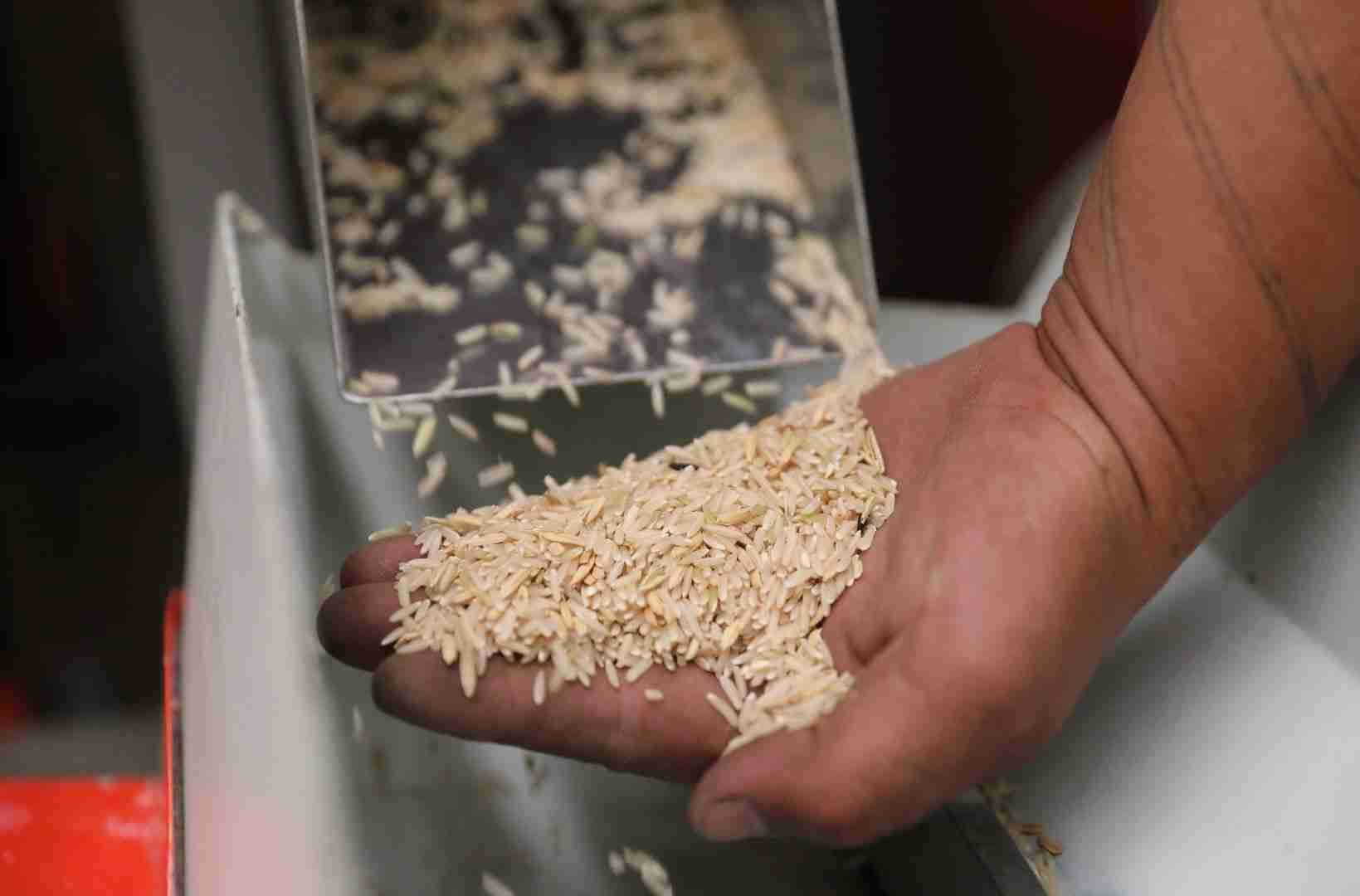
Understanding the Anatomy of Rice Processing: Essential Equipment and Techniques
The journey of rice from field to table relies heavily on a variety of specialized equipment designed to enhance quality, ensure efficiency, and maintain safety throughout the processing stages. At the heart of the operation is the paddy separator, which removes unwanted materials and separates brown rice from the husk. Following this, the rice milling machine plays a crucial role in transforming brown rice into white rice, utilizing multiple stages including dehulling, polishing, and grading to enhance the grain’s appearance and texture. Additional tools such as dryers and coolers are essential for removing excess moisture to ensure longevity and prevent spoilage, thus preserving the nutritional value and flavor of the rice.
Throughout the processing sequence, precision is vital. Parameters such as moisture content, temperature, and milling time are closely monitored to ensure optimal results. Key techniques include airflow control, which aids in the drying process, and the use of vibratory screens to efficiently sort grains by size. To visualize the various functions and processes involved, the following table illustrates the key equipment used and their primary functions:
| Equipment | Function |
|---|---|
| Huskers | Removes the outer husk from paddy rice. |
| Milling Machines | Processes brown rice into white rice. |
| Polishers | Improves the appearance of the rice. |
| Sorters | Separates grains based on quality and size. |
Sustainability in Rice Processing: Innovations for a Greener Future
As the world increasingly prioritizes environmental preservation, the rice processing industry is rising to the challenge with innovative strategies that bolster sustainability. Modern rice processing plants are now adopting advanced technologies that significantly reduce energy consumption and minimize waste. By integrating practices such as biomass energy recovery and water management systems, these facilities are transforming the production process into a more eco-friendly operation. Key innovations driving this transformation include:
- Solar-Powered Processing Equipment: Utilizing renewable solar energy to power machinery, reducing reliance on fossil fuels.
- Zero-Waste Practices: Implementing methods to utilize by-products like husks and bran, thus minimizing landfill waste.
- Water Recycling Technologies: Installing filtration systems that allow for the reuse of water in various stages of processing.
Furthermore, the incorporation of sustainable sourcing practices ensures that rice processing plants engage in responsible buying from local farmers who adhere to eco-friendly farming standards. This not only supports the local economy but also encourages a more sustainable agricultural landscape. A comparative analysis of traditional versus innovative processing methods reveals significant benefits:
| Processing Method | Energy Consumption | Waste Generation | Sustainability Rating |
|---|---|---|---|
| Traditional | High | Moderate | Low |
| Innovative | Low | Minimal | High |
This clear distinction highlights the potential for rice processing plants to become leaders in sustainability, making strides toward a greener future and confirming that the journey from grain to gold can be both profitable and planet-friendly.
Quality Control in Rice Production: Ensuring Standards from Harvest to Packaging
Quality control in rice production is a meticulous process that ensures every grain meets the highest standards before it reaches consumers. The journey begins in the field, where farmers implement rigorous agricultural practices that include soil testing and the careful selection of pest-resistant varieties. Once harvested, the rice undergoes thorough inspection and testing for moisture content, purity, and damage. This initial phase is crucial, as even small imperfections can affect the overall quality of the finished product. Implementing advanced sorting technologies, such as color sorters and infrared sensors, can help eliminate any subpar grains early in the process.
As rice moves from the milling stage to packaging, quality assurance protocols continue to play a vital role. Regular checks on machinery, adherence to cleanliness standards, and safety regulations are critical to preventing contamination and ensuring product integrity. During this phase, rice is further categorized based on size, shape, and quality, which not only enhances its marketability but also upholds consumer trust. Key metrics tracked may include:
| Quality Metric | Standard Value |
|---|---|
| Moisture Content | 12-14% |
| Broken Grain Percentage | ≤ 5% |
| Pest Contamination | 0% |
the packaging process is designed to preserve the rice’s quality and extend its shelf life. Using materials that protect against moisture and pests is essential. The meticulous effort to maintain quality from field to shelf not only ensures a premium product for consumers but also fosters a sustainable rice industry that can withstand global challenges.
Economic Impact of Rice Processing Plants: Opportunities and Challenges for Local Communities
The establishment of rice processing plants can act as a catalyst for economic growth within local communities, driving a myriad of opportunities that extend beyond mere employment. By providing jobs in various roles, from management to manual labor, these facilities can enhance the skill sets of local workers. Additional benefits include:
- Boosting local agricultural production by establishing a reliable market for farmers.
- Stimulating ancillary businesses such as transport and supply chain logistics.
- Encouraging technological advancements through the adoption of modern processing techniques.
However, the integration of rice processing plants can also present substantial challenges that communities must navigate. Environmental concerns often arise, particularly regarding waste management and water usage, which may conflict with sustainable practices. Key challenges include:
- Potential displacement of small-scale farmers due to increased competition and market fluctuations.
- Dependency on the plant, which may risk economic stability if operations fail or relocate.
- Community health effects stemming from pollution and increased industrial activity.
| Opportunities | Challenges |
|---|---|
| Job creation | Environmental impact |
| Increased local farming revenue | Market dependency risks |
| Technological advancements | Health risks |
Key Takeaways
As we draw the curtain on our exploration of the fascinating journey from grain to gold in the realm of rice processing plants, we emerge with a deeper appreciation for the intricate dance of nature and technology. Each grain of rice, a humble beginning, undergoes a remarkable transformation, driven by innovation and a commitment to quality. From the bustling fields where it is harvested to the sophisticated machinery that refines and packages it, every step in this process tells a story of dedication and resilience.
In an ever-evolving world where sustainability and efficiency take center stage, rice processing plants stand as a testament to human ingenuity. They not only bridge the gap between farmer and consumer but also ensure that this essential staple is accessible and nourishing for millions. As we navigate the complexities of food production in the 21st century, let us carry forward the knowledge of this journey and champion the effort that goes into bringing rice—once just a grain—to our tables.
Remember, the next time you savor a dish featuring this versatile grain, you’re not just enjoying a meal; you’re partaking in a legacy of labor, love, and innovation that transforms the ordinary into something extraordinary. Let us continue to honor and support the intricate systems that make our food journeys possible, celebrating each grain that contributes to the tapestry of our global cuisine.



