
In a world increasingly defined by its pursuit of efficiency, industries across the globe are constantly seeking innovative solutions to enhance productivity while minimizing resource consumption. The agricultural sector, vital to feeding a growing population, is no exception. Among the latest technological advancements transforming this field is the rise of mini rice milling machines—compact, cost-effective tools that promise to revolutionize rice processing. These machines not only streamline operations but also cater to the needs of smallholder farmers and local millers striving to optimize their production methods. As we delve into the world of mini rice milling machines, we will explore their significance, the technology behind them, and their potential to reshape the landscape of rice milling. Join us as we uncover how these small yet powerful devices are making a big impact on efficiency, sustainability, and food security.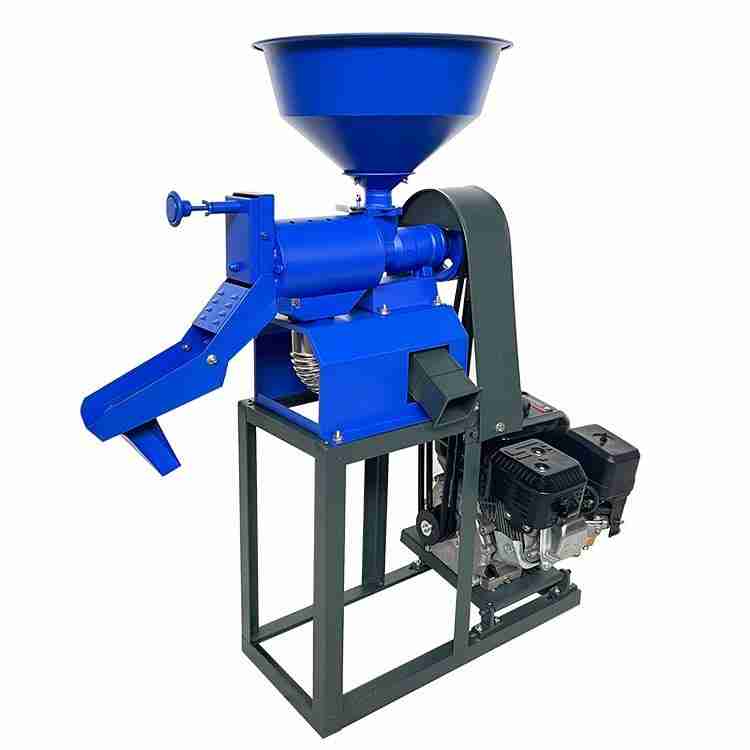
Understanding the Mini Rice Milling Revolution
The advent of mini rice milling machines marks a significant shift in agricultural technology, empowering smallholder farmers to process rice more efficiently and cost-effectively. These compact machines are designed to cater to the needs of rural communities, eliminating the long dependency on traditional milling methods that are often labor-intensive and time-consuming. By integrating modern engineering with user-friendly features, mini rice millers provide an accessible solution that enhances productivity while maintaining the quality of rice, making a notable impact on local economies.
One of the standout benefits of these machines is their ability to operate on a scale that’s suitable for individual farmers or cooperatives. As a result, they address a host of challenges faced in rice production, including:
- Reduced Processing Time: Mini mills can significantly cut down the hours spent on milling.
- Lower Operational Costs: Smaller machines consume less power and require fewer resources.
- Job Creation: New milling services provide employment opportunities in rural areas.
Furthermore, the design of these machines often incorporates features that are tailored for enhanced user experience. Many models come equipped with:
| Feature | Benefit |
|---|---|
| Portability | Easy transport to different locations. |
| Ease of Use | Simplified operation requiring minimal training. |
| Low Maintenance | Designed for longevity and easy repairs. |
By harnessing these advancements, farmers are not only improving their own livelihoods but also contributing to food security and community development. With the increased access to mini rice milling machines, the agricultural sector is poised to see a regenerative cycle of growth, innovation, and sustainability.

Key Features and Technologies Driving Efficiency
Mini rice milling machines are a testament to technological advancement, integrating innovative features that significantly enhance processing efficiency. Among these features, compact design allows for easy installation and operation in limited spaces, making them ideal for small-scale farmers and businesses. Their automatic control systems streamline workflows by regulating operations and minimizing manual intervention, which not only saves time but also reduces the likelihood of human error. Furthermore, the incorporation of energy-efficient motors ensures that these machines consume less power while delivering optimal performance, making them environmentally friendly and cost-effective.
Key technologies at play include multi-functional capabilities, allowing these machines to perform various milling tasks such as hulling, polishing, and even sorting in a single unit. This versatility is complemented by user-friendly interfaces that improve accessibility for operators, regardless of their technical expertise. Additionally, advances in machine learning algorithms enable these machines to optimize milling processes based on rice variety and moisture content, resulting in superior yield quality. The following table summarizes the essential features and specifications commonly found in mini rice milling machines:
| Feature | Description |
|---|---|
| Compact Size | Designed to fit into small spaces with ease. |
| Automatic Control | Reduces manual labor through automated processes. |
| Energy Efficiency | Operates on lower power consumption. |
| Multi-functional | Can perform multiple milling tasks in one machine. |
| User-friendly Interface | Makes operations simpler for all users. |
| Adaptive Algorithms | Adjusts processes based on rice type and moisture. |
Best Practices for Implementing Mini Rice Milling Solutions
Successful implementation of mini rice milling solutions hinges on several key considerations. Choosing the right equipment tailored to specific needs is essential. Factors such as the capacity of production, grain types, and local market demands should drive the selection process. Consideration of energy efficiency and machine durability will ensure long-term sustainability, helping to reduce operational costs. It’s also beneficial to consult with existing users or industry experts to gain invaluable insights into performance and maintenance. Additionally, location plays a crucial role; ensure that the milling machines are set up near the rice production areas to minimize transportation costs and time.
The training of personnel is another vital component that shouldn’t be overlooked. Staff operating the mini rice milling machines need comprehensive training to maximize productivity and maintain quality. Regular workshops or training sessions can enhance their skills and knowledge about best practices in both operation and maintenance. Establishing a maintenance schedule will also ensure that machines function optimally, reducing downtime. By harnessing local resources for maintenance support, businesses can foster community ties while shortening response times for any repairs needed. Taking these steps not only streamlines the milling process but makes it more reliable and economically viable in the long run.
The Economic Impact on Smallholder Farmers and Local Communities
The introduction of mini rice milling machines has revolutionized the agricultural landscape, particularly for smallholder farmers and local communities. These compact machines are not just tools for processing rice; they symbolize a shift towards greater efficiency and profitability. By minimizing reliance on larger mills, farmers now enjoy the liberty of processing their harvests locally, which significantly reduces transportation costs and leads to fresher produce. The economic ripple effects can be seen in several aspects:
- Job Creation: The operational needs of mini mills create local employment opportunities, helping to stabilize community economies.
- Cost Savings: Smallholder farmers save money by eliminating the need for external milling services, enabling the reinvestment of those funds into their farms.
- Value Addition: Local milling increases the value of harvested rice, allowing farmers to sell both rice and by-products, which can further diversify their income streams.
Furthermore, the influence of these machines extends beyond individual farmers. As communities adopt mini rice milling technology, there is a notable boost in local entrepreneurship. Community cooperatives can emerge, pooling resources to invest in a shared milling facility. This fosters a sense of collaboration and collective progress, which is often harder to achieve in segmented agricultural economies. A brief overview of the economic benefits illustrates this transformative impact:
| Aspect | Benefit |
|---|---|
| Processing Time | Reduced from days to hours |
| Revenue Increase | Up to 30% growth in sales |
| Community Engagement | Enhanced through cooperative ventures |
the rise of mini rice milling machines heralds a promising economic future for smallholder farmers and their local communities, empowering them to thrive in a competitive market landscape.
Concluding Remarks
In the evolving landscape of agriculture and food production, mini rice milling machines stand out as a testament to innovation and efficiency. As we’ve explored, these compact powerhouses not only streamline the milling process but also empower farmers and small businesses to harness the full potential of their harvests. The rise of these machines signifies a broader shift towards sustainability and accessibility in the agricultural sector.
As we move forward, it’s clear that embracing technology in all its forms can lead to transformative changes. Whether you’re a smallholder farmer or a burgeoning agribusiness, the implementation of mini rice milling machines could be the key to maximizing productivity and minimizing waste.
In a world where efficiency is paramount, the future looks bright for those willing to adapt and innovate. By investing in these machines today, we not only honor the rich tradition of rice cultivation but also pave the way for an economically viable and sustainable tomorrow. As the sun sets on this discussion, may it rise on your journey towards enhanced efficiency and success in the rice milling industry.



