
In the world of grain processing, the choice of equipment can significantly influence both productivity and quality. Rice, a staple food for billions, requires meticulous handling from field to plate, and at the heart of this journey is the rice mill. With a diverse array of options available in the market, selecting the right rice mill can be a daunting task for farmers, entrepreneurs, and businesses alike. This comprehensive guide aims to demystify the landscape of rice milling machinery, presenting the top choices renowned for their high-quality performance, efficiency, and durability. Whether you are a seasoned mill operator or a newcomer to the industry, join us as we explore the essential factors to consider, alongside a curated list of outstanding rice mill brands that promise to elevate your milling operations. Embrace the journey of grinding grains with confidence and precision, as we unravel the best in high-quality rice mills.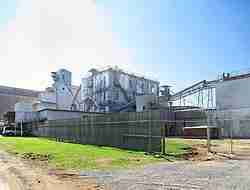
Exploring Essential Features of High-Quality Rice Mills
When considering a rice mill, it is vital to focus on several key features that contribute to efficiency, durability, and the quality of the final product. High-quality rice mills should come equipped with advanced technology, ensuring a higher yield and minimal grain damage during the milling process. Look for features such as:
- Efficient Husking Systems: These enable quicker and cleaner removal of husks, reducing waste and saving time.
- Strong Grinding Mechanism: A robust grinding system helps preserve the nutritional value of the rice while enhancing the texture.
- Adjustable Milling Settings: The ability to customize settings ensures flexibility for different rice varieties and desired end products.
In addition to technological advancements, the construction and build quality of the rice mill are crucial for longevity and maintenance. Mills made from high-quality materials are less prone to wear and tear, offering greater reliability over time. Essential considerations include:
- Corrosion-Resistant Parts: Ensures the machine remains in top condition, particularly in humid environments.
- Energy Efficiency: Look for models designed to minimize power consumption without sacrificing performance, which can lead to significant cost savings.
- Safety Features: Key characteristics such as automatic shut-off and overload protection are vital for a safe milling experience.
| Feature | Importance |
|---|---|
| Husking Efficiency | Minimizes grain breakage and waste |
| Milling Customization | Accommodates various rice types |
| Build Quality | Ensures longevity and lower upkeep |

Evaluating Leading Brands: Performance and Durability Insights
When it comes to selecting a rice mill, two essential factors are performance and durability. Leading brands in the industry have established their reputation by consistently delivering high-quality products that not only optimize rice processing but also stand the test of time. Performance is often measured by the number of rice processed per hour and the efficiency of the dehusking and polishing stages. Brands such as Brand A and Brand B are renowned for their cutting-edge technology, allowing for smooth operation and minimal grain breakage. Conversely, the durability of these machines often hinges on the materials used in their construction. Steel housing, high-grade bearings, and robust motors are key components that segregate top-tier products from the rest.
Additionally, user feedback plays a crucial role in evaluating brand performance and longevity. Many customers highlight maintenance requirements and service availability as significant considerations. Below is a comparison table of some leading brands based on customer reviews, serving as a quick reference for aspiring buyers:
| Brand | Performance Rating | Durability Rating | Maintenance Frequency |
|---|---|---|---|
| Brand A | 9.5/10 | 9/10 | Every 6 months |
| Brand B | 9/10 | 8.5/10 | Every 1 year |
| Brand C | 8.5/10 | 8/10 | Every 9 months |
This table enables potential buyers to make informed decisions on which rice mill aligns best with their needs, taking into account not only performance metrics but also how well these machines perform over time. With sustainability concerns on the rise, knowing how long a product lasts and what maintenance entails can greatly influence purchasing decisions and overall satisfaction.
Maximizing Efficiency: Key Technologies in Modern Rice Milling
Modern rice milling is revolutionized by a suite of advanced technologies that streamline operations and enhance product quality. Automation systems play a pivotal role, enabling mills to operate with minimal human intervention and ensuring consistent output. These systems monitor milling parameters in real-time, optimizing processes for maximum efficiency. Additionally, high-capacity milling machines, equipped with precision engineering, reduce breakage and improve recovery rates, allowing for better yield from each batch of paddy processed. The integration of digital technologies further elevates operational efficiency, as data analytics provide insights into production patterns, helping managers to make informed decisions.
Another critical aspect includes the use of environmentally-friendly equipment designed to minimize energy consumption and waste. This not only lowers operational costs but also aligns with global sustainability goals. Techniques like hulling and polishing advancements ensure that rice maintains its nutritional quality while achieving the desired texture and appearance. Moreover, advanced sorting and grading systems, utilizing optical sensors, guarantee that only the highest quality grains reach the consumer market, thereby enhancing the reputation of the milling enterprise. Investment in these technologies ultimately leads to improved market competitiveness and boosts profitability.
| Technology Type | Description |
|---|---|
| Automation Systems | Minimize human intervention, optimize processes. |
| High-Capacity Milling Machines | Reduce breakage, improve recovery rates. |
| Digital Technologies | Provide data-driven insights for decision-making. |
| Environmentally-Friendly Equipment | Lower energy consumption, reduce waste. |
| Sorting and Grading Systems | Ensure quality control using optical sensors. |
User Experience and Maintenance: Choosing the Right Rice Mill for You
When selecting a rice mill, it’s essential to assess not just the machine’s performance but also the overall user experience it provides. Ease of operation can significantly enhance your milling process, making it faster and more efficient. Look for features such as intuitive control panels, clear displays, and ergonomic designs. A well-designed rice mill should facilitate a smooth workflow without overwhelming the user. Additionally, consider models with self-cleaning capabilities or automated settings that minimize the time you spend managing the mill and allow you to focus on other important tasks.
Maintenance is another critical factor that should influence your decision. A reliable rice mill requires regular upkeep, and selecting a model that simplifies this process can lead to lower long-term costs. Assess the availability of spare parts and the manufacturer’s support for troubleshooting. It’s beneficial to opt for machines that offer warranty programs or maintenance packages. You might also want to compare the ease of disassembly for cleaning and repairs across different models. Here’s a helpful overview of some maintenance aspects you should consider:
| Feature | Importance | Recommendations |
|---|---|---|
| Self-Cleaning Function | Reduces manual cleaning effort | Look for models with high-efficiency cleaning systems |
| Accessible Spare Parts | Eases repair and maintenance | Choose brands with a good reputation for parts availability |
| User Manual Clarity | Facilitates easier operation and troubleshooting | Opt for mills with comprehensive guides in multiple languages |
Insights and Conclusions
selecting the right rice mill is a pivotal decision that can influence the quality of the grain and the efficiency of your processing. As we’ve explored in this comprehensive guide, the best rice mills combine innovation, reliability, and outstanding performance. Whether you are a small-scale farmer or a large agricultural enterprise, investing in a high-quality rice mill can elevate your operations and ensure that you deliver the finest rice to your customers.
As you weigh your options, consider the specific needs of your business, the features that matter most to you, and the reputable brands that stand out in the market. With informed choices and the right equipment, you can enhance your production capabilities and secure a competitive edge. Thank you for joining us on this journey through the world of rice mills—may your path to milling success be fruitful and rewarding!



