
Elevating Taste: The Art and Science of Rice Polishers
In the beautiful interplay of culinary tradition and innovation, few grains hold as much significance as rice. A staple in cuisines across the globe, rice nourishes billions and carries with it centuries of culture and craftsmanship. Yet, the journey from paddy to plate is often overlooked, particularly the meticulous process of polishing that transforms rough grains into culinary gems. Enter the world of rice polishers—ingenious machines and age-old techniques that enhance both the flavor and aesthetic appeal of rice. In this article, we delve into the art and science behind rice polishing, exploring how these vital processes elevate taste, texture, and nutritional value. Join us as we uncover the delicate balance between tradition and technology, revealing the remarkable stories of those who refine this humble grain into an exquisite culinary experience.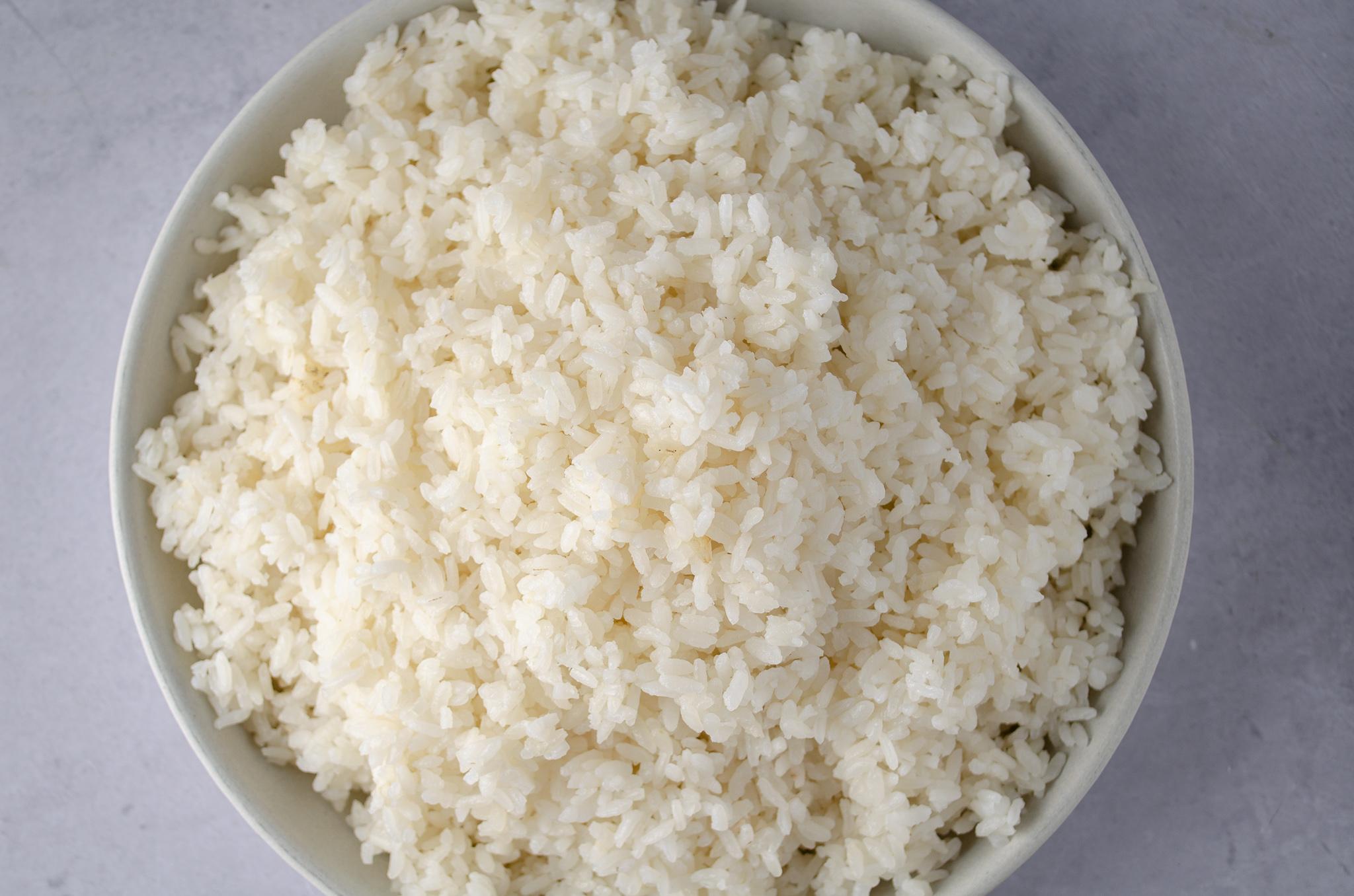
Exploring the Journey of Rice from Grain to Gourmet
The journey of rice from its humble beginnings as a raw grain to a culinary masterpiece is a fascinating tale woven through time and culture. Rice polishers play a pivotal role in this transformation, employing a blend of traditional craftsmanship and cutting-edge technology to elevate the grain’s quality and flavor. By meticulously polishing the grain, these machines remove the bran and germ layers, unveiling the pristine inner white rice that is cherished worldwide. This process not only enhances the visual appeal but also improves the texture and taste, making each grain a blank canvas for gastronomic creativity.
In understanding the art of rice polishing, one can appreciate the intricate balance between the science of milling and the artistry of culinary presentation. Polished rice is essential in various cuisines, providing a light and fluffy texture that perfectly absorbs flavors. Notably, the choice of polishing technique can influence several factors, including:
- Texture: A finely polished grain tends to have a smoother, softer texture.
- Flavor: Removing superficial impurities often enhances the rice’s natural flavor profile.
- Cooking Time: Polished rice typically cooks faster than unrefined grains.
| Polishing Method | Effects on Rice |
|---|---|
| Traditional Hand Polishing | Retains some nutrients while enhancing flavor. |
| Modern Mechanical Polishing | Produces uniform, high-quality rice quickly. |
| Selective Friction Polishing | Prioritizes taste and health by limiting bran removal. |
As rice polishing evolves with the advent of technology, it opens new possibilities for chefs and food enthusiasts alike, promising to deliver an even richer experience on the palate. Understanding this journey reveals the intricacies and delicate handling required to move rice from a basic ingredient to a gourmet delight, showcasing the importance of skill and precision in every step of the process. The transformation not only enhances the culinary appeal but also connects us to the cultural legacies that rice represents across the globe.

Unveiling the Science Behind Effective Rice Polishing
Rice polishing is an intricate process that combines both traditional methods and modern technology to enhance the flavor, texture, and nutritional profile of rice. At its core, effective polishing involves the careful removal of the outer layers of the rice grain, which are rich in nutrients but can impart a somewhat gritty texture. This balancing act is critical in achieving a grain that is not only visually appealing but also retains optimal cooking properties. The science behind this process includes understanding the composition of the rice grain, specifically the bran, endosperm, and germ. The right degree of polishing can unlock the full potential of rice, allowing for a delicate and satisfying culinary experience.
The effectiveness of rice polishing techniques can vary based on several factors, including the type of rice, the desired end product, and the equipment used. Key elements that influence the success of polishing include:
- Grinding Parameters: Adjusting the pressure and duration of polishing.
- Moisture Control: Ensuring optimal moisture content for enhanced grain integrity.
- Polishing Medium: The use of abrasive materials such as stones or advanced technologies like eco-friendly ceramically coated surfaces.
These factors are not only crucial for preserving the rice’s essential nutrients but also play a vital role in determining the rice’s final taste. Studies show that different polishing techniques can result in varying degrees of flavor absorption and grain softness, which ultimately influence how well the rice pairs with various dishes. As rice aficionados strive for perfection, the interplay of science and artistry in polishing continues to evolve, pushing the boundaries of culinary excellence.
Cultivating Flavor: The Role of Texture in Rice Quality
Texture plays an essential role in the overall quality of rice, significantly influencing the culinary experience. When considering the grain’s surface, polishing becomes a crucial factor, as it not only enhances appearance but also affects mouthfeel. Polished rice, which has been meticulously refined to remove the bran, can lead to a delicate consistency that many seek in premium dishes. However, over-polishing may strip away beneficial nutrients and essential oils, resulting in a bland profile. Striking the right balance in polishing can transform the eating experience, making the texture more adaptable and enjoyable.
When evaluating rice quality, several factors come into play beyond mere taste. The following key elements contribute to an unforgettable textural experience:
- Grain shape: Long-grain rice tends to be light and flaky, while short-grain varieties can yield a creamy, sticky consistency.
- Moisture content: Properly hydrated grains prepare for a tender bite, enhancing the overall culinary enjoyment.
- Cooking method: Techniques like steaming versus boiling can alter the texture, showcasing the rice’s versatility across various cuisines.
| Rice Type | Polishing Level | Texture Profile |
|---|---|---|
| Jasmine | Medium | Fluffy and aromatic |
| Sushi | High | Sticky and firm |
| Basmati | Low | Light and separate |
Choosing the Right Rice Polisher for Culinary Excellence
When it comes to selecting a rice polisher, the choice can significantly influence the final flavor and texture of your culinary creations. There are a variety of factors to consider to ensure you invest in a model that aligns with your cooking style and preferences. Capacity is one of the primary considerations—choose a polisher that meets your volume needs, whether for personal use or commercial kitchens. Additionally, the polishing mechanism is crucial; some machines use traditional methods while others rely on modern technology, affecting not just the finish but also the nutritional value retained in the rice. To further enhance your decision-making process, consider these essential features:
- Adjustable Settings: Tailor the polishing to the type of rice and desired texture.
- Durability: Opt for materials that withstand frequent use without degrading performance.
- Ease of Cleaning: A design that allows for easy disassembly and cleaning will save you time.
Moreover, understanding the energy efficiency of the rice polisher can impact both your financial and environmental considerations. With a range of products on the market, comparing specifications will guide you toward the right fit. The following table presents a snapshot of popular rice polishers and their standout features to help streamline your selection process:
| Brand | Model | Capacity (kg) | Unique Feature |
|---|---|---|---|
| Brand A | Model X1 | 2 | Smart Polishing Technology |
| Brand B | Model Y2 | 5 | Eco-Friendly Energy Use |
| Brand C | Model Z3 | 10 | Dual Polishing Mechanism |
In addition to the specifications, consider the brand reputation and customer reviews to ensure you’re choosing a polisher with reliability and efficiency in mind. A thorough understanding of your needs, combined with this knowledge, will empower you to find a rice polisher that not only elevates the quality of your rice but also enhances your overall culinary experience.
Wrapping Up
the world of rice polishing is a fascinating blend of art and science—a journey through tradition, technology, and taste. As we’ve explored, the process not only transforms grains into culinary treasures but also reflects cultural heritage and innovation. With each polishing technique, from the gentle embrace of traditional methods to the precision of modern machinery, the humble rice grain rises to a new level, revealing its true potential.
By understanding how rice polishers work and their impact on flavor, texture, and nutrition, we open the door to a deeper appreciation for this staple food that graces tables around the globe. Whether you’re a culinary enthusiast or simply cherish a warm bowl of rice, recognizing the intricate craftsmanship behind rice polishing enhances our eating experience. So, the next time you savor a perfectly polished grain, remember the art and science that elevate it—transforming something ordinary into the extraordinary.



