
In the lush, undulating fields where rice paddies stretch toward the horizon, a transformation is quietly unfolding. Beneath the surface of this staple crop lies a complex world of processing plants dedicated to turning raw grains into the foundation of countless meals around the globe. “Transforming Grains: A Closer Look at Paddy Processing Plants” invites you to explore this intricate journey, where each grain of paddy undergoes a meticulous metamorphosis that reflects not only engineering ingenuity but also cultural traditions. As we delve into the multifaceted operations of these plants, we will uncover the innovative technologies, sustainable practices, and labor-intensive efforts that play a pivotal role in bringing rice from farm to table, illuminating the often-overlooked significance of this vital industry in our everyday lives. Join us as we uncover the hidden narratives behind paddy processing, revealing the delicate balance between nature and technology that sustains the world’s appetite for one of its most cherished foods.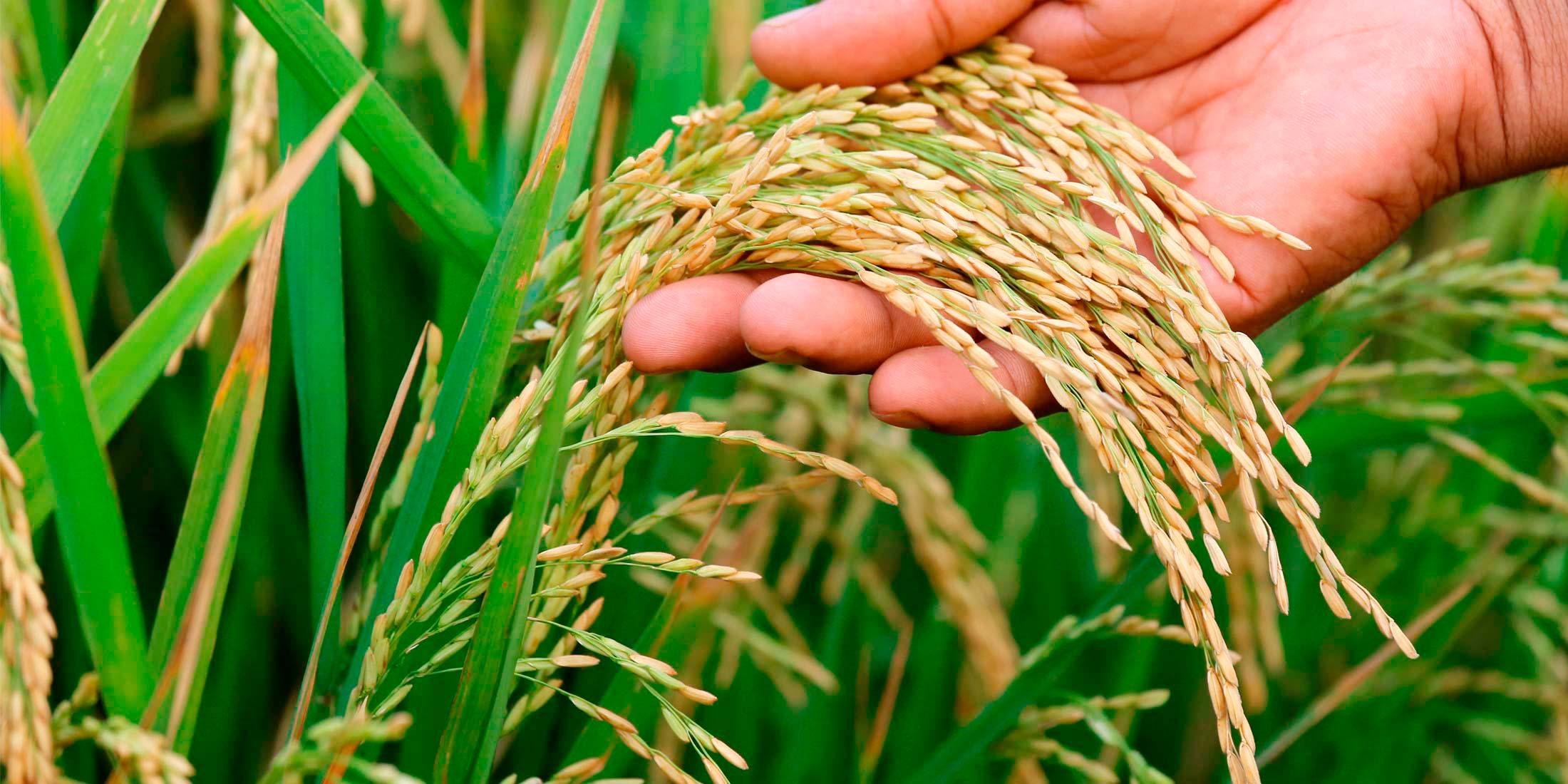
Understanding the Paddy Processing Journey from Field to Market
The journey of paddy from its lush green fields to the local markets is a complex yet fascinating process that involves several stages, each pivotal in transforming raw grains into the polished delights we find on our plates. After paddy is harvested, it goes through threshing, where the grains are separated from the stalks. This is followed by drying, where moisture content is reduced to prevent spoilage. At this stage, the grains are often stored and maintained under carefully controlled environments to ensure their quality is preserved until processing begins. Key steps in this pre-processing stage include:
- Harvesting: Collecting mature paddy crops.
- Threshing: Separating grains from the straw.
- Drying: Lowering moisture levels to enhance longevity.
Once the grains are prepared, they enter the processing plant, where they undergo further refinement. The next steps involve husking, where the outer husk is removed to reveal the brown rice beneath. Following this, the brown rice is milled to produce white rice, which is polished to achieve that glossy finish. The entire process is carefully monitored to maintain quality and minimize waste. Here’s a brief overview of the processing stages:
| Processing Stage | Description |
|---|---|
| Husking | Removes the outer shell of the grain. |
| Milling | Separates the bran and germ from the rice. |
| Polishing | Enhances appearance and shelf life. |
| Sorting | Grades rice based on quality and size. |
Each of these steps is essential in transforming paddy into the staple food that nourishes billions around the world. Furthermore, innovations in processing technology continue to improve efficiency and product quality, ensuring that consumers receive the best possible grains on their tables.

Innovative Techniques for Enhancing Grain Quality and Sustainability
The evolution of paddy processing plants has ushered in a myriad of innovative techniques aimed at elevating both the quality of grains and the sustainability of production processes. By leveraging advanced technologies, these facilities are not only able to enhance the nutritional profile and shelf-life of rice but also reduce waste and lower resource consumption. Some cutting-edge methods include:
- Infrared Drying: This technique minimizes moisture content while retaining the grain’s essential nutrients, resulting in higher quality rice.
- Value-Added Processing: Creating by-products like rice bran oil and flour maximizes the utility of every grain, thus improving overall sustainability.
- Water Recycling Systems: Implementing closed-loop water systems helps reduce freshwater usage, vital in regions facing water scarcity.
Furthermore, the adoption of precision farming and data analytics is reshaping how paddy is cultivated and processed. These tools enable farmers and processors to monitor crop health, optimize inputs, and track post-harvest processes, thereby enhancing both efficiency and environmental stewardship. For instance, a simple comparison of traditional versus modern processing techniques reveals significant differences:
| Aspect | Traditional Processing | Modern Processing |
|---|---|---|
| Water Usage | High | Reduced through recycling |
| Energy Consumption | Inefficient | Optimized through technology |
| Grain Quality | Variable | Consistent and high-quality |
Key Infrastructure and Technology Trends in Modern Processing Facilities
Modern paddy processing facilities are undergoing a remarkable transformation fueled by cutting-edge infrastructure and innovative technologies. A key trend is the integration of automated systems that streamline various stages of processing, enhancing productivity while reducing the risk of human error. Facilities are increasingly relying on smart sensors and IoT (Internet of Things) solutions that enable real-time monitoring of equipment and processes. This connectivity not only optimizes operational efficiency but also provides invaluable data analytics for informed decision-making, ultimately leading to improved product quality and yield.
In addition, the transition towards sustainable practices is becoming a central focus, with many processing plants investing in renewable energy sources such as solar and biomass. This shift not only reduces operational costs but also contributes to a greener production cycle. Furthermore, advanced cleaning and milling technologies, including the use of color sorters and automated huskers, ensure higher quality grains are produced with minimal waste. This embrace of modern technology and sustainable infrastructure positions paddy processing facilities to meet the growing demand for high-quality rice while adhering to environmental standards.
| Technology | Benefits |
|---|---|
| Automated Systems | Enhanced Efficiency, minimized errors |
| Smart Sensors & IoT | Real-time Monitoring, data analytics |
| Renewable Energy | Cost Reduction, lower carbon footprint |
| Advanced Cleaning & Milling | Higher Quality, minimal waste |
Best Practices for Maximizing Efficiency and Reducing Waste in Operations
To enhance the productivity of paddy processing plants while minimizing waste, it’s essential to adopt a multi-faceted approach. One of the foremost practices involves implementing lean manufacturing principles. This includes assessing workflow to eliminate bottlenecks and streamline processes. Facilities can benefit from utilizing real-time data analytics to monitor equipment performance and grain quality, enabling prompt decision-making. Additionally, applying effective maintenance schedules reduces downtime and prolongs the lifespan of machinery, ensuring that operations remain efficient.
Another crucial aspect is fostering a culture of sustainability through employee training on best practices for waste reduction. By promoting awareness regarding the proper handling of paddy at every stage, from storage to milling, plants can significantly reduce product losses. Regularly scheduled workshops on waste segregation and recycling have proven beneficial. Moreover, the adoption of innovative technologies, such as water recirculation systems and energy-efficient machinery, not only improves resource utilization but also aligns with environmental objectives. Here’s a brief overview of the main strategies that can be employed:
| Strategy | Description |
|---|---|
| Lean Manufacturing | Streamline operations to eliminate waste and increase efficiency. |
| Real-time Data Analytics | Monitor grain quality and equipment performance for informed decisions. |
| Employee Training | Enhance awareness on waste reduction techniques among staff. |
| Sustainable Technologies | Utilize energy-efficient machinery and water recycling systems. |
Concluding Remarks
As we conclude our exploration of paddy processing plants, it becomes clear that these facilities are not merely industrial spaces; they are the heartbeat of a vital agrarian ecosystem. Through the intricate processes of milling and refining, grains are transformed from their rustic origins into polished staples that nourish millions.
The complex interplay of technology and tradition within these plants illuminates the journey of rice from field to fork, showcasing the balance between efficiency and sustainability. As we face an ever-evolving global landscape marked by climate change and food security challenges, the role of paddy processing plants will be crucial in shaping our agricultural future.
Understanding these processes invites us to appreciate the craftsmanship involved in every grain, reminding us of the dedicated hands and innovative minds that work tirelessly behind the scenes. Ultimately, our relationship with grains goes beyond mere consumption; it reflects the cultural and economic threads that bind communities together. As we move forward, may our engagement with paddy processing inspire a deeper respect for the food we eat and the systems that support it, fostering a more sustainable world for generations to come.



