
In a world where the quest for efficiency is ever-present, the humble rice grain emerges as a symbol of sustenance and tradition. As populations expand and food security becomes paramount, the agricultural sector is continually evolving to meet the growing demand. Enter the mini rice mill plant—a compact, innovative solution poised to revolutionize rice processing. Combining advanced technology with sustainable practices, these small-scale mills offer a pathway to enhanced productivity while minimizing waste and energy consumption. In this article, we will delve into the world of mini rice mill plants, exploring their design, benefits, and the vital role they play in the agricultural landscape. Join us on this journey to unlock the potential of rice milling, where tradition meets modern efficiency.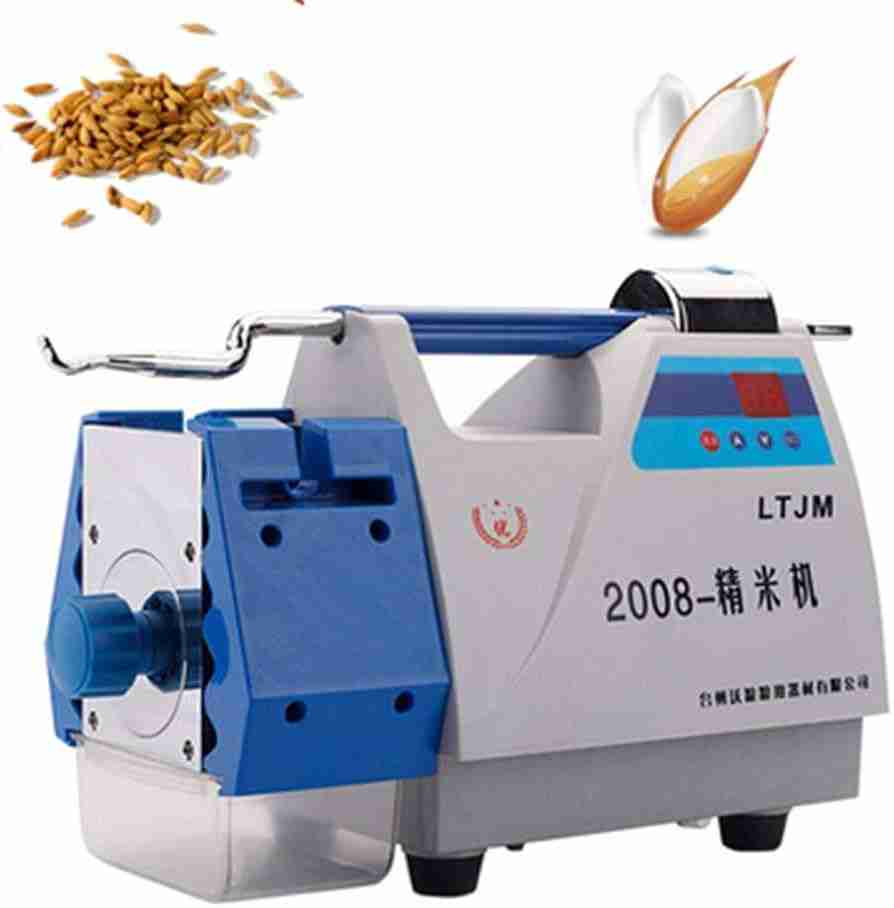
Understanding the Basics of mini rice mill Technology
mini rice mill technology represents a significant advancement in the agricultural processing sector, allowing small-scale farmers and entrepreneurs to transform paddy into marketable rice with remarkable efficiency. These compact machines are designed with functionality in mind, offering features like automatic rice milling and husking, which drastically reduce manual labor costs and time. Some key components of mini rice mills include:
- Husker: Removes the outer husk from the paddy.
- Whitener: Polishes the brown rice to produce white rice.
- Separator: Distinguishes between different grades of rice.
- Grain Collector: Gathers the processed rice for packaging.
The efficiency of mini rice mills not only enhances productivity but also ensures higher quality output. By leveraging advanced mechanical and electrical systems, these mills minimize grain loss and improve overall yield. As a vital resource for communities and rural economies, they can be characterized by their low operational costs, ease of maintenance, and adaptability to various milling needs. Below is a brief comparison of traditional milling methods versus mini rice mill technology:
| Aspect | Traditional Milling | mini rice mill |
|---|---|---|
| Labor Intensity | High | Low |
| Processing Time | Long | Short |
| Cost Efficiency | Lower | Higher |
| Quality Control | Variable | Consistent |
Maximizing Output and Sustainability in Mini Rice Mills
Achieving high productivity in mini rice mills requires a combination of advanced technology, optimal process management, and sustainable practices. By investing in modern milling equipment, mill operators can significantly enhance their output while minimizing waste. Integrating automated systems can streamline workflows, reducing manual labor and increasing precision. Moreover, regular maintenance of machinery ensures long-lasting performance and prevents costly downtimes. Implementing energy-efficient technologies not only boosts productivity but also promotes a sustainable operational model, allowing mills to reduce energy consumption and carbon footprint.
To foster sustainability, mini rice mills should focus on waste management strategies that convert byproducts into valuable resources. For instance, rice husk can be repurposed for various applications such as biofuel, animal feed, or even organic fertilizers. Utilizing digital platforms for monitoring and analytics can assist in identifying inefficiencies and prompt timely adjustments. Investing in training for staff in best practices can further support a culture of sustainability. Embracing these strategies will not only maximize output but also contribute to the overall health of the agricultural ecosystem.
| Strategies | Benefits |
|---|---|
| Automated systems | Increased productivity |
| Energy-efficient technologies | Reduced operating costs |
| Waste recycling | Resource optimization |
| Staff training | Enhanced operational efficiency |
Key Considerations for Setting Up Your mini rice mill Plant
When setting up a mini rice mill plant, several essential factors must be taken into account to ensure optimal operations and success. Location is one of the primary considerations; it should be strategically chosen based on proximity to rice farms for easy access to raw materials. The plant’s design and layout should facilitate a smooth workflow, minimizing the risk of contamination and ensuring an efficient production process. Furthermore, investing in high-quality machinery tailored to your production needs can significantly enhance the mill’s efficiency and output quality.
Secondly, it is imperative to evaluate the business model and market demand for your rice products. An understanding of local and regional markets can guide your production volume and marketing strategies. Additionally, creating a sustainability plan is becoming increasingly important; incorporating environmentally friendly practices not only helps in complying with regulations but can also attract eco-conscious consumers. Lastly, engaging with local agricultural communities can foster support and create avenues for partnerships, ultimately benefiting your business in the long run.
| Factor | Consideration |
|---|---|
| Location | Close to rice farms for easy raw material access |
| Design | Facilitate smooth workflow & minimize contamination |
| Machinery | Invest in high-quality, tailored equipment |
| Market Analysis | Understand local demand for rice products |
| Sustainability | Incorporate eco-friendly practices |
| Community Engagement | Foster local partnerships and support |
Innovative Practices for Enhancing mini rice mill Efficiency
In the pursuit of enhancing efficiency in mini rice mills, the integration of advanced technology plays a crucial role. By leveraging automation systems, operators can reduce manual labor and streamline processes, thereby increasing throughput. The implementation of smart sensors for monitoring grain quality and moisture levels ensures optimal processing, leading to minimal waste. Additionally, the utilization of data analytics allows mill owners to track performance metrics in real-time, enabling timely interventions and adjustments. This combination not only boosts productivity but also enhances the overall quality of the rice produced.
Moreover, adopting a sustainable approach can significantly contribute to efficiency. Techniques such as biomass utilization for energy needs reduce reliance on external power sources, lowering operational costs. Furthermore, investing in training programs for workers on best practices can lead to improved handling and processing techniques. A focus on collaborative models within local farming communities encourages a smoother supply chain and reduces delays. A table illustrating key innovative practices and their impacts can be found below:
| Practice | Impact |
|---|---|
| Automation Systems | Reduces manual labor and increases throughput |
| Smart Sensors | Ensures optimal processing with minimal waste |
| Data Analytics | Enables real-time performance tracking |
| Biomass Utilization | Decreases energy costs and promotes sustainability |
| Training Programs | Improves handling and processing techniques |
Insights and Conclusions
As we conclude our exploration of mini rice mill plants, it becomes clear that these compact and efficient machines hold the potential to transform the rice processing landscape. By harmonizing traditional practices with modern technology, mini rice mills not only enhance productivity but also empower local farmers and entrepreneurs to embrace sustainable practices. With the promise of reduced costs and increased accessibility, these mills stand as a beacon of innovation for communities striving for greater self-sufficiency.
As the world continues to seek solutions for food security and economic resilience, the role of mini rice mill plants cannot be understated. They represent more than just machinery; they symbolize a pathway to prosperity, enabling small-scale operations to thrive while minimizing waste and maximizing output.
In an era where agility and efficiency define success, unlocking the potential of mini rice mill plants is not just an opportunity—it’s a necessity. Let us embrace this evolution in agriculture, ensuring that every grain is processed with care, contributing to a future where communities flourish together. The journey towards enhancing efficiency in rice milling has only just begun, and the possibilities are as vast as the fields from which this staple crop originates.



