
Transforming Nature: The Journey of Corn Processing Unveiled
In the tapestry of human civilization, few threads are as vibrant and essential as that of agriculture. Among the myriad crops that have shaped our diets and economies, corn stands out as a remarkable emblem of adaptability and utility. From its ancient origins in Mesoamerica to its ubiquitous presence on modern tables, corn has undergone an extraordinary metamorphosis, evolving not just as a staple food but also as a cornerstone of industry. This article embarks on a journey through the intricate processes that transform humble corn kernels into an array of products that touch our lives in ways we often overlook. As we unveil the multifaceted world of corn processing, we will explore the techniques, innovations, and sustainability challenges that define this remarkable pathway from field to factory to fork. Join us as we delve into the alchemy of turning nature into products that reflect not only our culinary heritage but also the intricate interplay between agriculture and industry.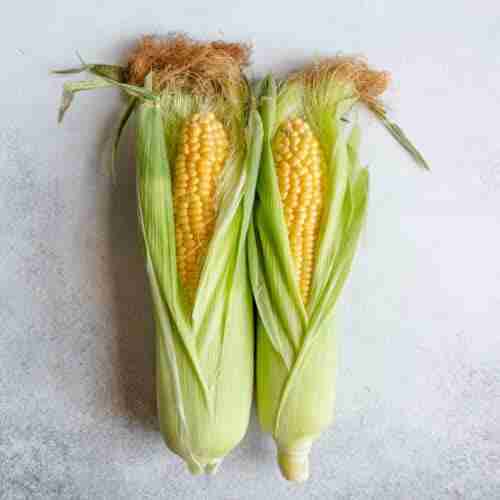
Exploring the Origins of Corn: From Field to Factory
The journey of corn is as remarkable as the plant itself. Corn, a staple that has nourished civilizations for centuries, begins its life in lush fields where sunlight, water, and nutrient-rich soil converge to create a flourishing crop. Farmers utilize traditional and modern techniques to cultivate this grain; the process often begins with the careful selection of seeds, which are vital in determining the quality and yield of the harvest. As the corn matures, its golden ears proudly stand, signaling the time for harvest has arrived. In this phase, machines hum and whir, delicately plucking the cobs from their stalks, ensuring minimal damage to the surrounding ecosystem.
Once harvested, the journey of corn continues toward transformation in processing plants. Here, the corn undergoes a fascinating metamorphosis. The initial stages often involve:
- Cleaning: Removing impurities and ensuring only the finest kernels move forward.
- Drying: Reducing moisture levels to prevent spoilage and prepare for storage.
- Milling: Grinding the kernels into flour or other forms for diverse applications.
Following processing, corn takes on various identities, from sweet corn syrup to cornmeal used in baking. The table below illustrates some of the versatile products derived from corn:
| Product | Use |
|---|---|
| Corn Syrup | Sweetener in food and beverages |
| Corn Oil | Cooking oil and margarine |
| Corn Starch | Thickening agent in sauces and soups |
| Popcorn | Snack food enjoyed worldwide |
From field to factory, the evolution of corn encapsulates both tradition and innovation, demonstrating how a simple grain has transcended its natural origins to become an integral part of our daily lives. Each step is a testament to human ingenuity and the perpetual quest for resourcefulness.

Innovative Techniques in Corn Processing: Enhancing Quality and Sustainability
In recent years, the corn processing sector has witnessed a surge in innovative techniques aimed at improving both product quality and environmental sustainability. One noteworthy approach is the use of enzymatic treatments that break down complex carbohydrates into simpler sugars, enhancing the efficiency of conversion processes. This not only leads to higher yields but also reduces energy consumption, contributing to a more sustainable production cycle. Additionally, methods such as dry milling and wet milling have been refined to maximize the extraction of valuable components like starch, oil, and protein, allowing producers to create a diverse range of products with minimal waste.
Moreover, advancements in biotechnology have opened doors to genetically modified corn varieties that promise better disease resistance and higher nutritional value. These varieties can significantly cut down on chemical inputs such as fertilizers and pesticides, promoting a more ecologically friendly approach to agriculture. As sustainability becomes an essential concern, many companies are now investing in closed-loop systems that recycle water and by-products, minimizing their environmental footprint. Innovative processing techniques not only enhance the quality of corn-derived products but also pave the way for a greener future in the food industry.

The Role of Technology in Corn Transformation: Modernizing Traditional Practices
The evolution of corn processing has reached a fascinating intersection where technology meets time-honored farming traditions. Through the introduction of advanced machinery and innovative methods, traditional practices are being reshaped to maximize efficiency and output without compromising the inherent quality of this vital crop. Modern sensors and precision agriculture tools allow farmers to monitor soil health, moisture levels, and crop growth with unparalleled accuracy. This real-time data enables farmers to make informed decisions, optimizing irrigation and fertilization to enhance yield while reducing resource waste. Furthermore, robotics and automation have streamlined harvesting and sorting processes, significantly reducing labor costs and increasing productivity.
In addition to operational transformations, technology is also redefining the way corn is processed after harvest. Biotechnology has introduced genetically modified organisms (GMOs) that exhibit resistance to drought and pests, ensuring that crops thrive even under challenging conditions. Additionally, cutting-edge food processing technologies are at the forefront of creating healthier and more diverse corn-derived products. These advancements include:
- Enzymatic treatments that enhance the nutritional profile of corn-based foods
- Cold milling methods that preserve flavor and nutrients in corn flour
- Fermentation techniques producing innovative products like biofuels and probiotics
| Innovation | Description |
|---|---|
| Precision Agriculture | Utilizes data analytics for informed resource management |
| Robotics in Harvesting | Reduces labor while increasing efficiency in crop collection |
| Biotechnological Advancements | Creates crops with enhanced resilience and nutritional value |

Future Directions for the Corn Industry: Embracing Challenges and Opportunities
As the corn industry stands at the precipice of transformation, embracing a multitude of challenges while seizing new opportunities is essential for sustainable growth. The shift towards sustainable farming practices has become integral to the corn sector, fostering resilience amidst changing climate conditions. This evolution includes investing in research and development, which will lead to the introduction of genetically improved varieties that can better withstand pests, droughts, and other environmental stresses. Furthermore, the adoption of precision agriculture technologies, like drone monitoring and soil sensors, enables farmers to optimize their crop yields while minimizing resource use. This blend of innovation is crucial for ensuring food security in an increasingly populated world.
On the processing side, the demand for corn-based products is evolving, reflecting consumer trends toward healthier choices and environmentally friendly solutions. The following directions highlight key areas of focus:
- Bioplastics Development: Utilizing corn starch to create biodegradable plastics that reduce reliance on fossil fuels.
- Biofuels Expansion: Increasing production of ethanol from corn to enhance energy independence and lower carbon footprints.
- Value-Added Products: Innovating in the food processing sector to produce healthier snacks and functional foods from corn.
| Area of Focus | Potential Impact |
|---|---|
| Bioplastics | Reduce plastic waste and environmental harm. |
| Biofuels | Support energy diversity and sustainability. |
| Value-Added Foods | Enhance nutrition and meet consumer demands. |
Concluding Remarks
As we draw the curtain on our exploration of corn processing, it’s evident that this humble grain is far more than a staple of our diets; it is a catalyst of innovation, sustainability, and cultural heritage. The journey of corn from field to processed product is a testament to human ingenuity, deeply intertwined with the natural world and our quest for efficiency.
Each kernel carries stories of transformation—once nestled in the earth, it undergoes a metamorphosis that not only reshapes its own identity but also impacts diverse sectors, from food manufacturing to biofuel development. As we venture further into the future, the continued evolution of corn processing stands to redefine our relationship with agriculture, technology, and the environment.
In embracing this journey, we gain a deeper understanding of the intricate balance required to harness nature’s offerings while respecting its boundaries. The narrative of corn processing is an ongoing saga, one that challenges us to reconsider our practices, elevate sustainability, and celebrate the rich interdependencies that sustain life itself. So, as we continue to embrace and innovate within this journey, let us remain mindful of the paths we tread—transforming not just corn, but nature itself in our quest for a better tomorrow.



