
Unlocking Precision: The Evolution of Rice Milling Machines
In the heart of agriculture, where tradition meets technology, the journey of rice milling machines epitomizes the relentless quest for precision and efficiency. Once merely a labor-intensive process, rice milling has evolved into a sophisticated operation, integrating cutting-edge engineering with age-old practices. As we delve into the history and advancements of these essential machines, we uncover a narrative shaped by innovation and necessity, reflecting broader changes in agricultural methodologies and the global food landscape. From rudimentary manual tools to today’s automated, high-capacity systems, each leap in technology has not only enhanced the quality of rice but has also transformed the livelihoods of millions who depend on this staple crop. Join us as we explore the intricate evolution of rice milling machines, tracing the threads of ingenuity that have unlocked new possibilities in rice production.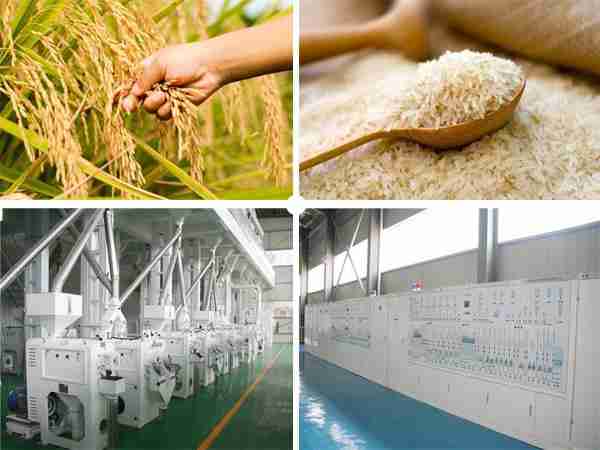
The Historical Journey of Rice Milling Technology
Rice milling technology has undergone remarkable transformations since its inception, reflecting a rich history of innovation driven by human necessity and agricultural development. Initially, rice was milled by hand using simple tools, such as mortars and pestles, which required significant labor and time. As civilizations advanced, so did their milling techniques, evolving from these rudimentary methods to more sophisticated designs. The introduction of water mills in ancient Asia marked a significant milestone, allowing greater efficiency and reduced manual effort. With the dawn of the Industrial Revolution in the 18th century, mechanized milling processes began to emerge, setting the stage for the modern rice milling industry.
As the 20th century approached, further advancements in technology led to the development of powered milling machines that incorporated separation systems, huskers, and polishers. These machines not only streamlined the milling process but also improved the quality of milled rice, ensuring better grain preservation and consumer satisfaction. The evolution continued with the incorporation of automation and digital controls, enabling precise adjustments and monitoring throughout the milling process. Today, rice milling machines are equipped with cutting-edge technology that enhances efficiency and quality, from pre-cleaning to polishing. The table below summarizes some of the key technological advancements in rice milling:
| Era | Technology | Key Features |
|---|---|---|
| Ancient | Hand Milling | Labor-intensive, time-consuming |
| Medieval | Water Mills | Increased productivity, reduced labor |
| Industrial Revolution | Powered Mills | Introduction of mechanization |
| Modern Era | Digital Milling Machines | Automation, precision engineering |

Innovative Mechanisms Transforming Rice Processing Efficiency
The advent of technology has ushered in a new era for rice milling, where traditional methods are being outpaced by state-of-the-art machinery designed for optimal efficiency. These innovative mechanisms not only enhance production rates but also ensure superior quality of the milled rice. Featuring features like automated sorting, variable speed controls, and integrated quality monitoring systems, modern rice milling machines have transcended the limitations of their predecessors. By employing advanced algorithms and data analytics, these machines can detect imperfections in real-time, adjusting the processing conditions accordingly to maintain the ideal milling parameters.
One of the most remarkable developments in rice processing is the use of renewable energy sources to power milling operations. Many facilities are now employing sustainable methods, such as biomass energy systems, to minimize their carbon footprints while maximizing output. Additionally, innovations like smart sensors allow for predictive maintenance, leading to reduced downtime and lower operational costs. As the industry moves towards more environmentally friendly practices, the integration of clean technology and automation is set to redefine efficiency in rice processing, paving the way for a more sustainable future.
| Innovation | Benefit |
|---|---|
| Automated Sorting | Increased precision in quality control |
| Variable Speed Controls | Customized processing for different rice types |
| Smart Sensors | Predictive maintenance to reduce downtime |
| Biomass Energy Systems | Lower carbon footprints and sustainability |
Quality Assurance in Modern Rice Milling: Best Practices and Approaches
As the rice milling industry evolves, maintaining high standards of quality assurance has become paramount. Modern rice milling machines incorporate sophisticated technologies that not only enhance processing efficiency but also ensure superior product quality. Key best practices in quality assurance include regular equipment calibration, meticulous monitoring of milling parameters, and stringent adherence to hygiene protocols. By implementing real-time data analytics, rice mill operators can swiftly identify deviations from quality standards, enabling immediate corrective actions. This proactive approach to quality management ultimately leads to increased consumer satisfaction and trust, ensuring that the final product is consistent in taste, texture, and appearance.
Incorporating state-of-the-art machinery, such as automated sorting and grading systems, has revolutionized the milling process. These machines utilize advanced optics and machine learning algorithms to classify rice grains based on size, shape, and color, significantly reducing human error and manual labor. Additional strategies to enhance quality assurance may include:
- Routine Equipment Maintenance: Scheduled checks reduce downtime and enhance performance.
- Training Programs: Staff education on operational best practices fosters a quality-centric workplace.
- Supplier Quality Control: Ensuring raw rice quality through rigorous vendor assessments.
| Quality Assurance Factor | Importance |
|---|---|
| Equipment Calibration | Ensures precision in milling parameters. |
| Real-Time Monitoring | Immediate identification of quality deviations. |
| Hygiene Protocols | Prevents contamination and spoilage. |
Through the seamless integration of these practices, rice milling operations are positioned not just as producers of food but as facilitators of quality and safety in the agricultural supply chain. As technology continues to evolve, the commitment to rigorous quality assurance measures stands as a testament to the industry’s dedication to excellence.
Future Trends Shaping the Rice Milling Industry: A Look Ahead
The rice milling industry is on the brink of a technological revolution that promises to enhance efficiency and sustainability in production. As global demands for rice increase, the integration of smart technology into rice milling machines will be pivotal. Advanced automation systems, including Internet of Things (IoT) devices, will play a critical role in monitoring operations in real-time, allowing for precise adjustments that reduce waste and maximize yield. Furthermore, the implementation of AI-driven analytics will facilitate predictive maintenance, ensuring that machines operate at peak performance while minimizing downtime.
In addition to technological advancements, the rising emphasis on sustainability is shaping the future of rice milling. Manufacturers are increasingly focused on creating eco-friendly processes and machinery that reduce energy consumption and minimize the environmental footprint. Innovations such as biomass energy recovery systems and techniques to recycle by-products will not only improve operational efficiency but also help mills comply with stricter environmental regulations. The industry is also witnessing a shift toward modular designs, enabling businesses to easily upgrade equipment as new technologies emerge, thus enhancing both flexibility and long-term viability.
| Trend | Description | Impact |
|---|---|---|
| Smart Automation | Integration of IoT for real-time monitoring | Enhanced efficiency and reduced waste |
| AI Analytics | Predictive maintenance using AI algorithms | Minimized downtime and maximized output |
| Sustainable Practices | Eco-friendly milling techniques | Lower environmental impact |
| Modular Equipment | Flexible upgrades for future technologies | Long-term adaptability |
Insights and Conclusions
As we conclude our exploration of the evolution of rice milling machines, it becomes clear that these vital tools have undergone a remarkable transformation over the years. From rudimentary methods to advanced machinery, each innovation reflects a deeper understanding of not just rice itself, but also the needs of farmers and consumers alike.
Whether it’s the precision of modern technology or the sustainable practices being implemented today, the journey of rice milling is a testament to human ingenuity and adaptability. As we look ahead, one can only wonder what the next chapter will hold for this staple of global cuisine. Will new technologies further enhance efficiency? Will sustainability and environmental considerations reshape the industry?
In the heart of every grain lies the promise of nourishment and cultural significance. The rice milling machines that unlock this promise continue to evolve, mirroring the changing landscape of agriculture and society. As we embrace this journey of precision, let us appreciate the craftsmanship that turns rough grains into culinary treasures, and remain curious about the innovations yet to come.



