
Unlocking Potential: Inside the Modern rice mill plant
In a world where technology continually reshapes the way we live and work, the humble rice plant is undergoing a transformation of its own. Once perceived as a simple facility for processing grains, the modern rice mill is now a vibrant hub of innovation and efficiency, unlocking the potential of one of humanity’s oldest staples. From the serene paddy fields to the fast-paced machinery that hums within these walls, rice milling embodies a fascinating interplay between tradition and modernity. In this article, we delve into the inner workings of today’s rice mill plants, exploring how advanced technologies, sustainable practices, and a commitment to quality are redefining an entire industry. Join us as we uncover the processes that turn raw grains into the universally celebrated staple of rice, revealing both the artistry and science behind this essential food source.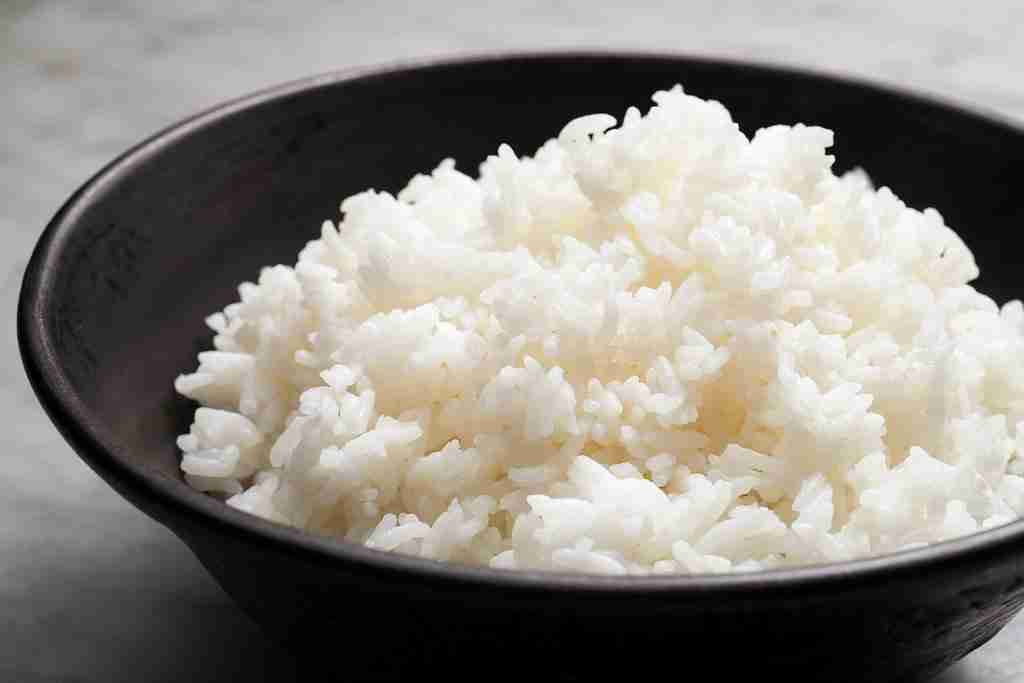
Exploring the Mechanics of Rice Processing Technology
At the heart of modern rice mill plants lies a complex tapestry of machinery designed to transform raw paddy into polished rice. The process begins with efficient paddy separation, where specialized equipment removes unwanted materials such as husks, stones, and straw. Following this initial step, the raw rice undergoes thorough cleaning and grading, ensuring that only the finest grains proceed to the next phase. Techniques such as water polishing and air classification are employed, enhancing the quality while reducing breakage. Each machine, from the husk remover to the whitening machine, plays a pivotal role in this intricate ballet of technology.
Another critical component in the rice processing chain is the drying system, which is essential for preserving grain quality and preventing spoilage. Modern mills utilize continuous flow dryers to regulate moisture levels delicately, thus maintaining the integrity of each grain. Additionally, advancements in automation and digital monitoring systems have revolutionized operational efficiency and quality control. For example, operators can manage temperature and humidity levels remotely, ensuring optimal drying conditions. The synergy of conveyors and elevators streamlines transport within the plant, facilitating a seamless progression from one stage to the next while minimizing manual handling.
| Machinery Component | Function |
|---|---|
| Husk Remover | Separates husk from paddy |
| Whitening Machine | Polishes rice grains |
| Continuous Flow Dryer | Regulates moisture content |
| Grading Machine | Sorts rice based on size |

Sustainability Practices in Modern Rice Mill Operations
Modern rice mill operations are increasingly incorporating eco-friendly methods to reduce their environmental impact and promote sustainable practices. By utilizing advanced technology and innovative processes, rice mills are not only improving their efficiency but also conserving resources. Some noteworthy practices include:
- Water Conservation: Implementing recycling systems to process water used in milling, thereby minimizing waste and ensuring that every drop counts.
- Energy Efficiency: Employing energy-efficient machinery and renewable energy sources, such as solar power, to lower fossil fuel dependency.
- Waste Utilization: Converting rice husks and bran into biofuel or biodegradable materials, which reduces landfill waste and creates additional revenue streams.
- Certification Programs: Engaging in certifications like Organic and Fair Trade to ensure responsible sourcing and production processes.
Furthermore, these operations are embracing digital solutions that enhance traceability and transparency in the supply chain. By leveraging data analytics, rice mills can optimize production schedules, minimize spoilage, and enhance overall product quality. This is often supported by collaboration with farmers to educate them on sustainable agricultural techniques and to ensure they align their practices with the criteria set by modern milling standards. In a commitment to sustainability, some mills have even initiated community outreach programs aimed at promoting eco-friendly farming and milling practices among local farmers.
Enhancing Efficiency Through Workforce Training and Engagement
In contemporary rice mill operations, the key to unlocking productivity lies in cultivating a skilled and engaged workforce. By investing in targeted training programs, facilities can significantly enhance their operational efficacy. These programs typically include:
- Technical Skills Development: Equipping employees with the latest machinery operation techniques.
- Safety Training: Ensuring a secure working environment to reduce accidents and enhance well-being.
- Quality Control Practices: Training on how to monitor and maintain product quality consistently.
Moreover, fostering an atmosphere of engagement within the workforce is equally crucial. Encouraging feedback through regular consultations enables management to understand employees’ needs and aspirations. Implementing a recognition system for outstanding performance also boosts morale and motivation. This leads to:
- Reduced Turnover: Employees are more likely to stay with an organization that values their input.
- Increased Productivity: A motivated workforce tends to be more efficient and committed to quality work.
- Enhanced Collaboration: Stronger team dynamics arise when employees feel their contributions are valued.
Innovative Approaches to Quality Control and Product Diversification
As modern rice milling operations evolve, innovative quality control measures are taking center stage, ensuring that every grain meets high standards. Precision technology enhances the monitoring process by utilizing advanced sensors and machine learning algorithms, allowing for real-time analysis of grain quality. By minimizing human error and increasing the speed of quality assessment, mills can guarantee consistently high output. Key innovations in this area include:
- Automated Sorting Systems: These employ artificial intelligence to identify and separate grains based on color, size, and imperfections.
- Moisture and Temperature Control: Advanced sensors monitor grain conditions throughout the milling process, preventing spoilage and ensuring optimal quality.
- Blockchain Traceability: Providing transparent tracking of rice from farm to mill enhances consumer confidence in product quality.
Product diversification is another crucial facet of modern rice milling, allowing mills to cater to evolving consumer preferences. Mills are now exploring alternative rice varieties, including organic and gluten-free options, to widen their market reach. This strategic expansion not only enhances profitability but also fosters resilience against fluctuating market demands. Innovative product lines being developed include:
| Product Type | Market Appeal |
|---|---|
| Organic Brown Rice | Health-conscious consumers |
| Rice Flour | Gluten-free diets |
| Pre-cooked Rice Packs | Convenience for busy lifestyles |
The Way Forward
As we draw the curtains on our exploration of the modern rice mill plant, it’s clear that these facilities do more than just process a staple food source; they epitomize the fusion of tradition and innovation. By harnessing cutting-edge technology and sustainable practices, modern rice mills unlock the true potential of this vital crop, ensuring efficiency and quality while addressing the demands of a growing population.
The journey through the intricate workings of these plants reveals a deep respect for both the land and its resources. Each grain of rice processed carries with it the promise of nourishment and economic stability for countless communities. Moreover, as we look toward the future, these plants stand as beacons of what is possible when tradition meets advancement—serving as a model for other industries striving to find balance in a rapidly changing world.
In the grand tapestry of agriculture, the modern rice mill plant is but one thread, yet it plays a pivotal role in weaving a narrative of progress, sustainability, and hope. As we move forward, may we continue to embrace the innovations that enhance our food systems while honoring the age-old practices that have sustained us for generations.



