
In the heart of agricultural innovation, where tradition meets technology, lies the rice milling unit—a critical player in the grains processing industry. As global demand for rice surges and the spotlight on food security intensifies, the significance of efficient grain processing has never been more pronounced. This article takes you on a journey to unveil the intricacies of rice milling units, exploring how they not only streamline production but also enhance the quality of one of the world’s staple foods. From the traditional methods that have stood the test of time to the cutting-edge advancements that drive modern efficiency, we will delve into the mechanisms and technologies that transform paddy into polished rice. Join us as we discover how these units operate, their role in the agricultural supply chain, and the impact they have on sustainability and economic growth in the grain processing landscape.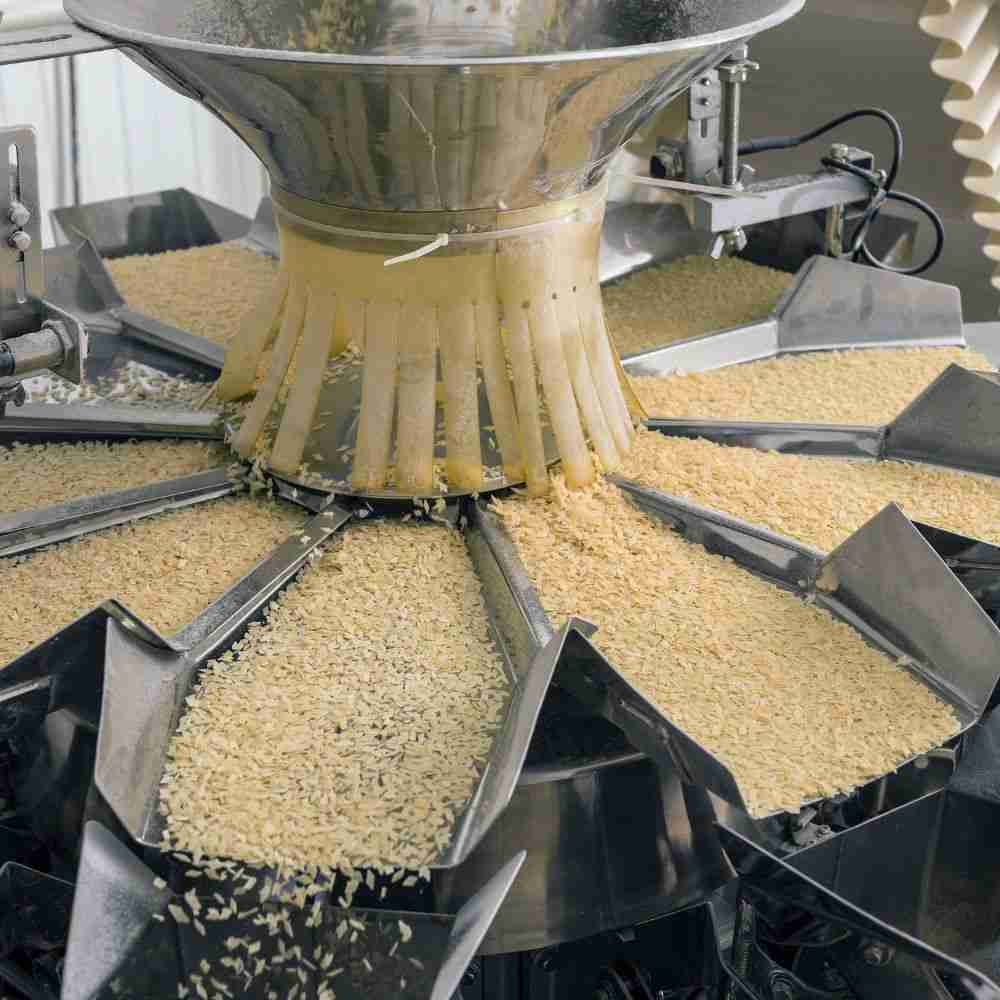
Understanding the Core Components of a Rice Milling Unit
At the heart of every efficient rice milling unit lie several core components that work in harmony to transform paddy into polished rice. The essential parts include huskers, paddy separators, whirlers, and polishers, each equipped with specific technologies designed to optimize the milling process. For instance, huskers are responsible for removing the hard outer shell of the paddy, while paddy separators efficiently sort the hulled rice from unhulled grains. The whirler, typically a high-speed machine, plays a crucial role in ensuring that any remaining husk is separated effectively, preparing the rice for the next stage of processing.
Another pivotal aspect of a rice milling unit is the color sorter, which guarantees that the final product meets quality standards. It uses advanced optical technology to detect and eliminate discolored or damaged grains, ensuring uniformity in appearance. Additionally, dryers and mist polishers contribute significantly to the overall quality of the rice by controlling moisture content and enhancing grain sheen, respectively. Together, these components create a seamless flow, with each machine step intricately linked to produce rice that is not only visually appealing but also ready for market.
Maximizing Efficiency through Technology Integration
In the world of grain processing, technology plays a pivotal role in enhancing operational efficiency. The integration of innovative machinery within rice milling units has revolutionized traditional practices. With the adoption of automation, mills can now achieve:
- Increased Processing Speed: Automated systems facilitate quicker handling of grains, reducing time per batch and contributing to higher output.
- Consistent Quality: Advanced technology ensures uniform milling, resulting in minimal waste and superior grade rice.
- Resource Optimization: Smart machines monitor energy and water usage, leading to eco-friendly operations and lower operational costs.
Furthermore, real-time data analytics integrated into milling machines provide valuable insights into production efficiency. By utilizing responsive software, mill operators can track key performance indicators, allowing for immediate adjustments to be made. This capability fosters:
- Predictive Maintenance: Analyzing machine performance helps in forecasting downtimes, ensuring timely servicing of equipment.
- Enhanced Decision-Making: Access to precise data empowers operators to make informed choices, from adjusting processes to managing inventory.
- Scalable Operations: Technological integration allows for easy upgrades, adapting the mill operations to meet growing demands without compromising efficiency.
| Technology Feature | Benefit |
|---|---|
| Automated Controls | Streamlines workflow and minimizes labor costs |
| Data Monitoring Systems | Facilitates accurate tracking of production metrics |
| Energy-Efficient Machines | Reduces utility expenses and environmental impact |
Best Practices for Optimal Grain Processing
To achieve maximum efficiency in grain processing, it is vital to focus on precision and consistency throughout the milling procedure. This begins with the selection of high-quality grains, which should be free from pests and contaminants. Implementing thorough sorting and cleaning processes ensures that only the best grains make it to the milling stage. Moreover, monitoring moisture content is crucial; grains that are too wet or too dry can lead to suboptimal milling results. Consider the following best practices:
- Regular equipment maintenance: Ensure that all machinery is in top condition to avoid breakdowns and maintain output quality.
- Adherence to processing temperature: Keeping an optimal temperature during milling preserves the nutritional value of the grains.
- Implementing automation: Utilizing technology for monitoring processes can reduce human error and increase efficiency.
Equally important is the organization of post-milling operations. Proper packaging and storage of finished products can greatly influence shelf life and marketability. Keep in mind that grains should be stored in a cool, dry place to prevent spoilage and infestation. A well-structured supply chain can help in maintaining product freshness and accessibility. The following table outlines effective storage solutions:
| Storage Method | Benefits |
|---|---|
| Grain Silos | Long-term storage, pest control, climate management. |
| Vacuum Packaging | Extended shelf life, reduces exposure to air and moisture. |
| Tote Bins | Easy mobility, suitable for bulk storage, often with air flow. |
Sustainable Approaches in Rice Milling Operations
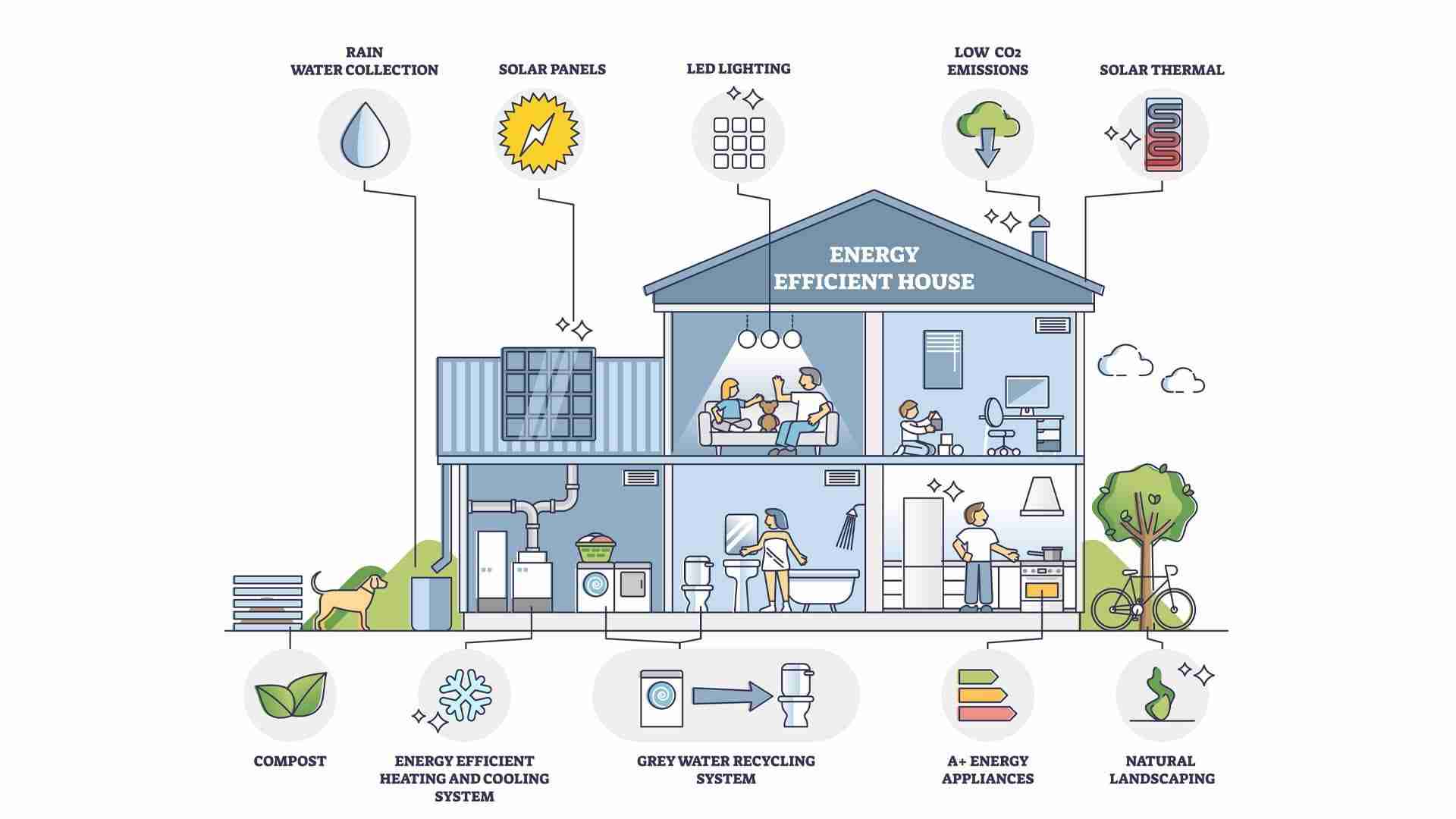
In the quest for optimizing rice milling operations, adopting sustainable practices is becoming increasingly crucial. Unlike traditional methods that often waste resources, contemporary strategies emphasize efficiency and environmental responsibility. Sustainable approaches in rice milling include the use of energy-efficient machinery, water recycling systems, and waste valorization techniques. By integrating solar energy systems and biomass fuel alternatives, mills can significantly reduce their carbon footprints while enhancing productivity. Furthermore, implementing precision milling techniques enables millers to achieve higher yields of milled rice, reducing the overall input of raw materials.
Another vital aspect of sustainability in rice milling pertains to resource management. Many mills are now investing in closed-loop water systems that minimize water usage while ensuring optimal processing. This innovation not only conserves water but also reduces operational costs. Additionally, through the adoption of eco-friendly packaging solutions, rice mills can further their commitment to sustainability. The focus on cultivating relationships with local farmers enhances supply chain integrity, ensuring that quality grains are processed with the least environmental impact. To summarize the effectiveness of these strategies, consider the following:
| Sustainable Practice | Benefit |
|---|---|
| Energy-efficient machinery | Reduces energy consumption |
| Water recycling systems | Conserves water resources |
| Precision milling techniques | Maximizes yield and minimizes waste |
| Eco-friendly packaging | Reduces environmental impact |
In Retrospect
As we conclude our exploration of the rice milling unit and its pivotal role in grains processing, it becomes clear that this remarkable machinery stands at the intersection of tradition and technology. Through innovation and careful engineering, rice milling units are not merely machines; they are catalysts for efficiency, ensuring that the grains we consume are processed to perfection.
In an era where sustainability and productivity go hand in hand, embracing the advancements in milling technology can lead to significant improvements in food security and economic viability for rice producers worldwide. As we look to the future, the ongoing evolution of rice milling units promises not just to enhance processing capabilities but also to empower communities and transform the landscape of agriculture.
We invite you to reflect on the journey of rice from paddy fields to our dinner plates, underscoring the intricate processes that make it possible. By recognizing the importance of innovation in grains processing, we can appreciate the art and science behind the rice milling unit—an unsung hero in the world of food production. As we continue to feed a growing population, let us champion the technologies that enable us to do so with efficiency and integrity.



