
In the heart of agrarian landscapes, where golden fields of rice sway under the sun, a silent revolution is taking root—one characterized not by grand machinery, but by the humble ingenuity of mini rice milling machines. These compact powerhouses are transforming the way rice is processed, offering smallholder farmers an opportunity to unlock the true value of their harvests. As communities strive for sustainability and profitability in an ever-evolving agricultural landscape, the rise of these miniature milling machines stands as a beacon of efficiency and empowerment. In this article, we delve into the mechanics of this transformation, exploring how these innovative machines are turning grains into gold, reshaping economies, and paving the way for a more prosperous future in rice production.
The Evolution of Mini Rice Milling Machines in Agriculture
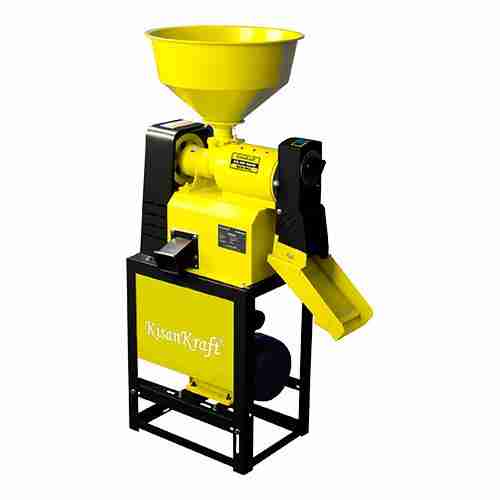
The journey of mini rice milling machines began as a response to the increasing demand for efficient grain processing methods. Traditionally, rice milling was a labor-intensive process, reliant on large machinery that was often expensive, heavy, and difficult to operate. However, technological advancements and an understanding of localized agricultural needs led to the development of smaller, more accessible equipment. These innovations made it possible for smallholder farmers to process their harvests quickly and efficiently, dramatically improving their productivity and economic prospects. The compact nature of these machines means they can be used in rural settings, reducing transportation costs and empowering farmers to add value directly at the source.
Today’s mini rice milling machines are not just tools; they symbolize a significant shift towards sustainable agricultural practices. They come equipped with features that offer multiple benefits, such as:
- Energy Efficiency: Consuming less power than their larger counterparts.
- Portability: Easily transportable to different farming locations.
- Low Maintenance: Designed to be user-friendly with simplified maintenance requirements.
- Cost-Effectiveness: More affordable options for small-scale farmers, enabling better accessibility.
The evolution of these devices has paved the way for improved food security and income generation among agricultural communities. In addition to processing rice efficiently, modern machines often come with added functionalities, making them versatile tools for various grain types, further enhancing their utility in diverse farming systems. The shift towards mini rice milling machines marks a pivotal moment in agricultural technology, revealing the power of innovation in transforming livelihoods.
Unlocking Efficiency: How Mini Rice Mills Enhance Productivity
The landscape of rice production has been transformed with the advent of mini rice mills, offering a scalable solution for both small and medium-sized farmers. These compact machines are designed to streamline the milling process, leading to significant improvements in yield and product quality. By integrating advanced technology in a user-friendly format, mini rice mills allow farmers to minimize losses during processing. This results in higher profits as every grain is efficiently converted to market-ready rice. Not only does this enhance the operational workflow, but it also empowers farmers to take control of their production timeline, reducing dependency on large milling services.
Moreover, the benefits of mini rice milling machines extend beyond mere productivity. They contribute to sustainability by promoting local processing, minimizing transportation costs, and decreasing the carbon footprint associated with long-distance shipping of raw rice. The machines are often designed for ease of maintenance, making them accessible even for those with limited technical skills. Here are some key advantages:
- Reduction in processing time: Quick milling processes ensure that farmers can meet market demands swiftly.
- Cost-effectiveness: Lower operational costs lead to better margins on rice sales.
- Quality control: Farmers can monitor the milling process, ensuring high-quality output tailored to consumer preferences.
To illustrate the remarkable impact of mini rice mills, consider the following comparison:
| Feature | Traditional Mills | Mini Rice Mills |
|---|---|---|
| Processing Time | 3-5 hours for 1 ton | 1-2 hours for 1 ton |
| Initial Investment | High | Moderate |
| Maintenance Required | High | Low |
Ultimately, the rise of mini rice milling machines is not just a trend; it represents a pivotal shift towards more efficient, local, and sustainable rice production practices. As farmers adapt to these innovations, they are not only improving their own livelihoods but also contributing to the broader agricultural ecosystem and food security.
Cost-Effectiveness and Sustainability of Small-Scale Milling Solutions
Small-scale milling solutions, particularly mini rice milling machines, are emerging as a transformative force in the agricultural sector, offering farmers not just convenience but also exceptional cost-effectiveness. These machines drastically reduce the overhead associated with large mill operations, allowing smallholder farmers to process their harvest at a fraction of the operational costs. The initial investment in a mini rice mill can be daunting, but the long-term savings often outweigh the costs through:
- Reduced Labor Costs: Smaller machines typically require fewer operators, minimizing wage expenses.
- Lower Energy Consumption: Compact design and efficient technology mean less energy is required, leading to cheaper utility bills.
- Minimal Maintenance: With fewer moving parts, these machines often require less maintenance and servicing compared to larger alternatives.
Additionally, the sustainability of these solutions can’t be overstated. By decentralizing the milling process, local economies benefit, and carbon footprints are reduced. The use of locally sourced materials and technologies further enhances their eco-friendliness. Consider the following comparative advantages:
| Aspect | Large-Scale Milling | Mini Rice Milling |
|---|---|---|
| Transportation Emissions | High | Low |
| Resource Utilization | Centralized | Localized |
| Environmental Impact | Significant | Minimal |
the combination of affordability and environmental benefits positions mini rice milling machines as the ideal solution for smallholders. These innovative technologies not only empower farmers to transform their grain into profitable products but also pave the way for a more sustainable agricultural future.
Empowering Farmers: Navigating the Path to Adoption and Success
The agricultural landscape is undergoing a transformative shift, with small-scale farmers increasingly harnessing the potential of mini rice milling machines to elevate their productivity and profitability. By streamlining the process of grain processing at the farm level, these compact machines empower farmers to convert their harvests into market-ready products in a matter of hours. The convenience and efficiency of on-site milling not only reduce transportation costs but also ensure fresher rice for consumers. Through this technological adoption, farmers can capture greater value from their produce, contributing to food security and elevating their livelihoods.
However, successful integration of these machines requires a strategic approach involving education, community support, and financial accessibility. Farmers must be equipped with the knowledge to operate and maintain the machinery effectively. Therefore, initiatives that offer training programs and resources become essential for fostering confidence and perseverance. Additionally, fostering partnerships with local cooperative societies can provide access to funding options and shared resources, thus further enhancing the adoption rate. As these small-scale milling operations begin to flourish, communities can expect not only improved income for individual farmers but also a ripple effect of growth and innovation throughout the agricultural sector.
| Benefits of Mini Rice Milling Machines | Impact on Farmers |
|---|---|
| Increased Income | Higher profit margins due to direct sales. |
| Time Efficiency | Reduces processing time from days to hours. |
| Quality Control | Ensures better quality and freshness of rice. |
| Employment Opportunities | Encourages job creation within the community. |
Wrapping Up
In a world where innovation meets tradition, the transformation of grain into gold through the rise of mini rice milling machines marks a remarkable juncture in agriculture and food processing. These compact marvels are not just tools; they symbolize empowerment for farmers and entrepreneurs alike, ushering in a new era of efficiency, sustainability, and economic opportunity.
As we reflect on this journey, it becomes evident that the humble rice grain, once a staple rooted in history, is now at the forefront of a technological revolution. Mini rice milling machines are redefining how communities engage with their agricultural heritage, fostering a sense of independence and progress that resonates far beyond the paddy fields.
As we look to the future, it is crucial to embrace these advancements while respecting the age-old traditions that have shaped agricultural practices for generations. The marriage of cutting-edge technology and time-honored methods offers a pathway toward enhancing food security and revitalizing rural economies.
In this intricate dance between grain and gold, the story continues to unfold. Let us celebrate these innovations while remaining mindful of their impact on our cultural landscapes and global food systems. The transformation is just beginning, and it’s a journey worth watching as we sow the seeds for a more prosperous tomorrow.



