
Unlocking Potential: The Role of Rice Milling Units in Production
In the world of agriculture, few staples hold the same significance as rice, a grain that feeds billions and nurtures livelihoods across the globe. Yet, the journey from paddy to plate is not a simple one; it is a transformative process that hinges on the efficiency and effectiveness of rice milling units. These pivotal facilities serve as the bridge between raw grain and the polished product that graces our tables, playing a crucial role in enhancing quality, boosting productivity, and minimizing waste. As we delve into the intricacies of rice milling, we will explore how these units not only unlock the full potential of this vital crop but also contribute to the broader agricultural ecosystem, economies, and food security. Join us as we uncover the hidden layers of this essential industry and the innovations that continue to shape its future.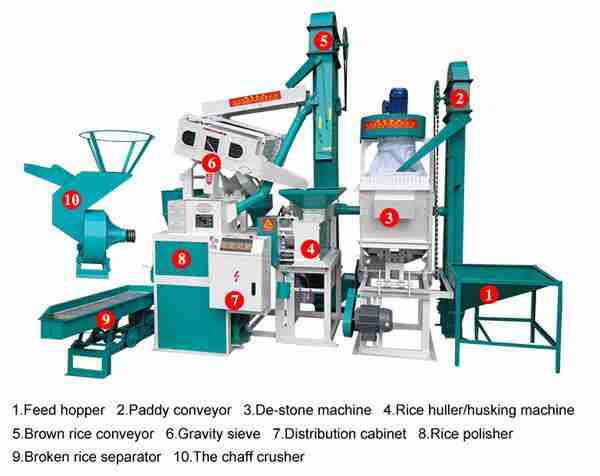
Understanding Rice Milling Units: A Catalyst for Agricultural Growth
The evolution of rice milling units has become a game changer in the agricultural landscape, offering essential contributions towards enhancing productivity and efficiency. These units are not merely facilities for processing rice; they act as vital nodes in the agricultural supply chain. By transforming paddy into market-ready rice, they create a value-added product that directly benefits farmers, millers, and consumers alike. Key advantages of rice milling units include:
- Quality Improvement: Through precise milling processes, the quality of rice is significantly enhanced, resulting in better market prices.
- Reduction of Post-Harvest Loss: Efficient milling techniques minimize waste and preserve the nutritional value of rice.
- Job Creation: These units foster local employment opportunities, contributing to community development.
- Support for Smallholders: By providing accessible milling facilities, small farmers find support in a competitive market.
Moreover, rice milling units offer technological innovations that increase operational efficiency, ensuring a steady supply of rice to meet growing consumer demands. Many units are now adopting advanced machinery that reduces energy consumption and optimizes output, aligning with sustainable agricultural practices. The impact of these units extends beyond production statistics; it also includes:
| Aspect | Before Milling | After Milling |
|---|---|---|
| Market Readiness | Unprocessed paddy | Packaged, quality rice |
| Value Addition | Low market value | Higher market value |
| Nutritional Retention | Lower nutritional value | Optimally preserved nutrients |
rice milling units are pivotal in shaping the future of agricultural economies. They bridge the gap between production and consumption, ensuring that farmers and stakeholders benefit holistically from their investments. The ripple effects of improved milling practices resonate throughout the entire agricultural system, propelling growth and sustainability into the future.

Enhancing Quality and Efficiency: Technological Innovations in Rice Milling
Technological advancements have significantly transformed the landscape of rice milling, introducing innovative solutions that enhance both quality and efficiency. One such innovation is the use of automated milling systems, which reduce manual labor and minimize human error. These systems integrate sensors and artificial intelligence, allowing for real-time monitoring and adjustments to optimize the milling process. Key benefits of these automated systems include:
- Precision: Enhanced quality of milled rice with fewer broken grains.
- Energy Efficiency: Lower energy consumption through optimized operation protocols.
- Quality Consistency: Maintaining uniform quality across batches, ensuring better marketability.
Moreover, the incorporation of cleaning and sorting technologies has revolutionized post-harvest handling. Advanced rice milling units now utilize machines equipped with color sorting technology and high-efficiency huskers. These improvements not only ensure the removal of impurities but also maximize yield recovery. An overview of these technologies highlights their impact:
| Technology | Purpose | Outcome |
|---|---|---|
| Color Sorters | Removing discolored or damaged grains | Increased product quality |
| High-Efficiency Huskers | Minimizing husking loss | Higher yield recovery |
Economic Impacts of Rice Milling Units on Local Communities
The establishment of rice milling units serves as a catalyst for economic growth within local communities. These facilities not only provide employment opportunities for residents but also stimulate various sectors of the economy. The influx of jobs helps to reduce unemployment rates, and as mill workers receive salaries, there’s a significant increase in purchasing power within the community. This can lead to greater demand for goods and services, fostering the growth of local businesses, such as grocery stores and repair shops. Moreover, the rice milling units often require local raw materials, promoting agricultural practices and ensuring farmers receive fair prices for their rice.
Beyond direct employment, rice milling units can influence local infrastructure development and investment in community services. Improved road access to these facilities facilitates not only the transportation of rice but also provides better routes for farmers and customers alike. Additional benefits can be observed in the form of increased tax revenues for local governments, enabling investments in education, healthcare, and public utilities. Here are some notable impacts:
- Job Creation: Positions in milling, maintenance, and packaging.
- Support for Farmers: Stable market for their produce.
- Increased Local Revenue: Boost in tax income for community projects.
- Infrastructure Improvement: Enhanced transport and access to markets.
Sustainable Practices in Rice Milling: Balancing Production and Environmental Responsibility
As the demand for rice continues to rise, so does the need for sustainable practices within the rice milling industry. Innovative milling units are increasingly adopting eco-friendly processes that not only enhance production efficiency but also minimize their environmental footprint. Key measures include:
- Energy Efficiency: Utilizing energy-efficient machinery and renewable energy sources, such as solar panels, to reduce reliance on fossil fuels.
- Water Conservation: Implementing advanced milling technologies that recycle water and reduce overall consumption during the milling process.
- Waste Reduction: Transforming by-products such as husks and bran into value-added products like biofuels and animal feed.
Moreover, these practices are not just beneficial for the environment but also contribute to the economic viability of milling units. By shifting towards sustainable operations, rice mills can enjoy cost savings and improve their market competitiveness. The integration of sustainability can often be tracked through measurable parameters:
| Parameter | Before Sustainable Practices | After Sustainable Practices |
|---|---|---|
| Energy Consumption (kWh) | 5000 | 3500 |
| Water Usage (liters) | 10000 | 6000 |
| Waste Generation (kg) | 2000 | 800 |
By implementing these sustainable practices, rice milling units not only contribute to environmental preservation but also position themselves as responsible industry leaders in a rapidly evolving market.
To Wrap It Up
As we draw the curtain on our exploration of rice milling units and their pivotal role in production, it becomes clear that these seemingly humble facilities are anything but insignificant. They stand as the backbone of a vital industry, transforming raw grains into nourishing staples that feed millions across the globe. By unlocking the potential of rice through innovative milling technologies and sustainable practices, these units not only enhance food security but also contribute to the economic vitality of rural communities.
In an era where efficiency and quality are paramount, rice milling units serve as critical players in the intricate dance of supply chains, balancing tradition with the demands of modern consumers. Their impact resonates beyond the grains they process, shaping the livelihoods of farmers, creating jobs, and fostering resilience in agricultural economies.
As we reflect on the journey of rice from paddy fields to our tables, one thing is evident: investing in the future of rice milling is an investment in a sustainable and prosperous food system. With continued innovation and a commitment to responsible practices, we can ensure that the full potential of rice is unlocked, nourishing generations to come. As stewards of this essential industry, we have the responsibility—and the opportunity—to cultivate a brighter future, one grain at a time.



