
Unlocking the Grain: Insights into Paddy Processing Plants
In the heart of agricultural landscapes, where golden fields sway gently in the breeze, lies a world of intricate machinery and dedicated labor: the paddy processing plant. Often overlooked in the grand narrative of food production, these facilities play a pivotal role in transforming freshly harvested rice into the staple that sustains billions worldwide. As we delve into the fascinating realm of paddy processing, we invite you to explore the art and science behind this essential industry. From the initial stages of drying and milling to the final packaging of polished grains, each process unveils a story of innovation, sustainability, and cultural significance. Join us as we unlock the grain and reveal the critical insights that underpin the operations of paddy processing plants, illuminating their vital contribution to food security and economic development.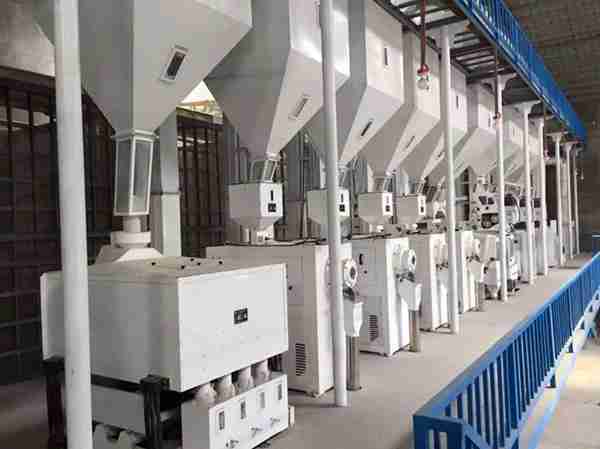
Exploring the Anatomy of Paddy Processing Plants
Paddy processing plants serve as a crucial link in transforming harvested rice into the polished grain that graces our tables. These facilities embody a fascinating journey through various stages of grain transformation, each designed to enhance quality while ensuring efficiency. Typically structured in a sequential manner, the process begins with paddy cleaning, where foreign materials such as stones and husks are meticulously removed. Following this, hulling takes place, where the outer husk is separated from the brown rice, utilizing machines that carefully strip away the layers without compromising the grain inside. milling refines the brown rice into white rice, with polishing and grading steps added to achieve the desired market quality.
The technological backbone of these plants often includes an array of innovative equipment that work in synergy to optimize output. Some of the key components include:
- Pre-cleaners: Remove debris and foreign materials.
- De-huskers: Separate the husk from the paddy.
- Milling units: Grind the brown rice into white rice.
- Sifters: Sort rice based on various grading standards.
- Packers: Facilitate efficient packing for distribution.
To further illustrate the significant output statistics of these plants, the following table highlights a typical processing flow and expected yield percentages based on industry standards:
| Process Stage | Yield Percentage |
|---|---|
| Paddy Input | 100% |
| De-hulled Rice | 68% |
| Brown Rice | 65% |
| White Rice | 60% |
Enhancing Efficiency through Modern Technology
In the modern era, paddy processing plants have started to integrate advanced technologies that significantly enhance operational efficiency. Through the use of automation and smart systems, these facilities can achieve optimal grain quality while minimizing waste. For instance, the implementation of sensor networks allows real-time monitoring of temperature and humidity levels, which is crucial for preserving grain integrity during storage. Alongside these, automated machinery streamlines the husking, milling, and packaging processes, ensuring a consistent output that meets market demands. By reducing manual intervention, plants can not only speed up production but also reduce the margin for human error, leading to a more reliable processing chain.
The adoption of data analytics tools stands out as a game changer in paddy processing. By leveraging big data, plant operators can analyze trends in production efficiency and identify bottlenecks. This data-driven approach enables them to implement targeted improvements, such as:
- Predictive Maintenance: Scheduling repairs before breakdowns occur.
- Customizable Processing Techniques: Adjusting methods based on grain quality assessments.
- Energy Management: Optimizing power usage to lower operational costs.
Furthermore, modern equipment equipped with IoT capabilities allows seamless communication between machines, enabling coordinated operations that enhance throughput. The integration of these technologies not only drives productivity but also contributes to sustainability by minimizing waste and utilizing resources more efficiently.
Quality Control Measures for Optimal Grain Output
To ensure a high-quality grain output in paddy processing plants, implementing stringent quality control measures is paramount. These measures not only impact the product’s grade but also enhance the overall efficiency of the processing operation. Key strategies include:
- Incoming Grain Inspection: Assessing the quality of paddy upon arrival to eliminate unsuitable batches.
- Moisture Monitoring: Regular checks to maintain optimal moisture levels, which directly influence storage and milling outcomes.
- Visual Inspection: Continuous assessment during processing to identify foreign materials or damaged grains early on.
- Laboratory Testing: Periodic chemical analysis of the paddy for pesticide residues and other contaminants.
Furthermore, establishing a feedback loop from the market to the processing plant can provide valuable insights into customer preferences and safety standards. This can entail:
| Feedback Type | Action Taken |
|---|---|
| Customer Complaints | Implement corrective measures in processing steps |
| Market Trends | Adjust grain varieties based on demand |
| Quality Surveys | Enhance quality control protocols |
By prioritizing these practices, paddy processing plants can effectively maximize their output while ensuring the quality that meets both regulatory requirements and consumer expectations.
Sustainable Practices for Future-Ready Processing Operations
Embracing sustainable practices in paddy processing is crucial not only for the environment but also for the economic viability of processing operations. By incorporating energy-efficient machinery and renewable energy sources, plants can significantly lower their carbon footprint. Key actions include:
- Utilizing solar panels to power processing equipment.
- Implementing water recycling systems to minimize waste.
- Employing bioenergy solutions for waste management.
Moreover, adopting integrated pest management (IPM) strategies can drastically reduce chemical usage, fostering a healthier ecosystem in paddy cultivation. It’s also beneficial for plants to engage with local communities to promote organic farming practices, which can lead to better quality grains and improved market value. A proactive approach may include:
- Developing partnerships with local farmers to share knowledge.
- Implementing crop rotation practices to enhance soil health.
- Promoting agroforestry to foster biodiversity.
Here’s a quick look at some effective practices and their benefits:
| Practice | Benefit |
|---|---|
| Solar Energy Use | Reduces energy costs and carbon emissions |
| Water Recycling | Conserves resources and minimizes waste |
| Integrated Pest Management | Reduces chemical usage and protects biodiversity |
Key Takeaways
As we conclude our exploration of paddy processing plants, we stand at the intersection of tradition and innovation, where the journey of rice from field to fork is meticulously crafted. These plants are not merely facilities; they are the heartbeat of an industry that sustains millions around the globe. By unlocking the intricacies of paddy processing, we gain deeper insights into the dedication and technology that transform raw grains into essential nourishment.
In a world where food security is paramount, understanding the nuances of paddy processing becomes ever more important. As we reflect on the processes, challenges, and advancements that shape this sector, it is clear that effective paddy processing is a blend of science, skill, and sustainability. The story of rice is not just about cultivation; it’s about the collective effort to preserve resources, optimize yields, and minimize waste.
As our journey through the grain concludes, we are reminded that behind every bowl of rice lies a complex web of labor, innovation, and passion. Let us carry these insights forward, recognizing the diligence that goes into our food systems and advocating for practices that ensure a sustainable future for both producers and consumers alike. In unlocking the grain, we unlock a deeper appreciation for the essential role paddy processing plants play in feeding our world.



