
Transforming Grain: The Journey of Paddy Through Processing
In the heart of countless cultures lies a tiny grain, humble in appearance yet mighty in significance—paddy rice. From the sun-drenched fields where it sways in the breeze to bustling markets, steaming bowls, and festive feasts, the journey of paddy is one of remarkable transformation. Each grain tells a story, not just of agricultural labor but of intricate processes that turn nature’s bounty into the staple food for half the world’s population. As we embark on this exploration of the paddy processing journey, we will uncover the meticulous steps that elevate this raw grain into the polished product gracing our tables. Join us as we delve into the science and artistry of grain transformation, revealing the hidden complexities and innovations that underpin this essential commodity.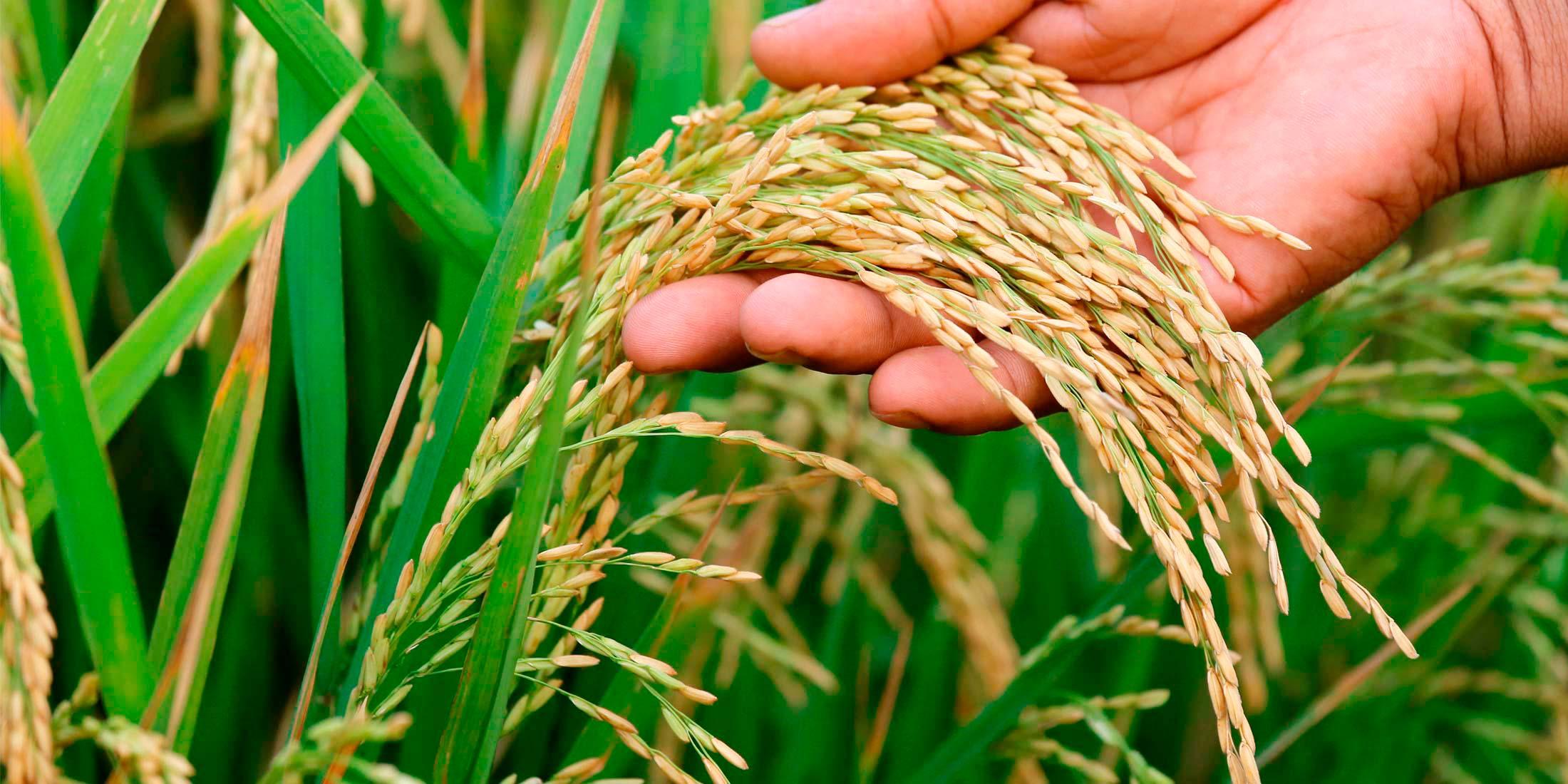
Understanding the Life Cycle of Paddy from Field to Table
The journey of paddy from field to table is a fascinating transformation that involves multiple stages, each critical in bringing this staple grain to our plates. After harvest, the paddy undergoes a series of processes which include threshing, drying, and milling. Threshing separates the rice grains from the husks, while thorough drying ensures that moisture levels are optimal to prevent spoilage. Milling is where the magic happens; here, the outer layers are polished off to reveal the white grains that are more commonly recognized. The choice of milling precision can significantly affect the texture and nutritional value of rice.
Once the rice has been milled, it often undergoes various forms of quality control and packaging. This phase is vital for maintaining the grain’s freshness and involves inspecting for impurities or defects. The packaged rice then finds its way to markets and distributors across regions, where it is sold to consumers. The final stage encompasses cooking, where the grains are boiled or steamed, transforming them into a delicious and versatile food that complements a wide array of dishes globally. The cycle completes as paddy fulfills its role, not just as sustenance, but as a cultural symbol and a source of nourishment for millions.
| Stage | Description |
|---|---|
| Harvesting | Collecting mature paddy crops from the field. |
| Threshing | Removing grains from the paddy husks. |
| Drying | Reducing moisture content to preserve the rice. |
| Milling | Polishing the rice and removing inedible parts. |
| Quality Control | Inspecting rice for impurities and defects. |
| Packaging | Sealing rice for distribution and sale. |
| Cooking | Preparing rice for consumption. |
Innovative Techniques in Paddy Processing for Enhanced Quality
Paddy processing has seen a remarkable evolution, integrating technology and tradition to ensure that rice retains its flavor, nutrition, and quality. Among the innovative techniques, parboiling stands out as a game-changer. This process involves soaking paddy in water, steaming it, and then drying it, which not only reduces the cooking time but also enhances the nutritional value of the rice. Additionally, this technique helps in minimizing the loss of grains during milling and improves the texture and color of the final product. Other noteworthy innovations include the use of high-frequency ultrasound during the milling stage, which has shown to increase the extraction rate of polished rice while preserving its aromatic qualities.
Another significant advancement is the implementation of machine learning algorithms in quality assessment. These systems analyze various parameters such as grain size, moisture content, and even unexpected contaminants, allowing for real-time quality control. By leveraging computer vision technology, mills can now sort grains more efficiently, ensuring only the best quality rice is packaged for consumers. The combination of biotechnology with traditional processing methods is also gaining traction, presenting opportunities to bolster resistance to common pests and diseases, ultimately resulting in higher quality grains. As these techniques continue to develop, they promise to revolutionize the paddy processing industry.
| Processing Technique | Benefits |
|---|---|
| Parboiling | Enhances nutritional value, reduces cooking time |
| High-Frequency Ultrasound | Increases yield, preserves aroma |
| Machine Learning | Improved quality control, efficient sorting |
| Biotechnology | Higher resistance to pests, better grain quality |
Sustainability Practices in Grain Transformation for Future Generations
In the journey of transforming paddy into consumable grain, sustainability practices play a crucial role in ensuring that future generations can enjoy the fruits of our labor. By adopting innovative processing methods and reducing waste, we can create a circular economy that not only supports the farmer but also nurtures the environment. Key practices include:
- Water Management: Implementing advanced irrigation systems and rainwater harvesting techniques to reduce water consumption.
- Organic Farming: Utilizing organic fertilizers and pest control to minimize chemical use, promoting healthier soil and ecosystems.
- Energy Efficiency: Employing energy-efficient machinery during milling to reduce carbon footprints.
- Waste Reduction: Repurposing by-products like husks and bran into biofuel or animal feed.
Furthermore, collaboration between farmers, processors, and consumers is vital for fostering sustainable grain transformation. Simple practices like community-supported agriculture (CSA) and local grain markets can enhance the resilience of grain supply chains. As we look toward the future, we must also consider implementing eco-friendly packaging solutions to minimize plastic usage and ensure the longevity of our grains. A glance at some eco-friendly processing effects reveals:
| Practice | Environmental Benefit |
|---|---|
| Organic Fertilizers | Improves soil health and biodiversity |
| Solar Drying | Reduces energy consumption and costs |
| Zero-Waste Milling | Reduces landfill impacts and promotes circular economy |
Maximizing Efficiency: Recommendations for Modern Paddy Mills
In the quest to elevate paddy processing to new heights, modern mills can adopt several strategies to ensure enhanced productivity and sustainability. Emphasizing automation is key; integrating advanced machinery not only accelerates operations but also minimizes human error. Mills can benefit from streamlined workflows through systems such as automated sorting and milling processes. Additionally, implementing real-time monitoring systems can help in tracking performance metrics, allowing quick adjustments to maintain optimal efficiency.
Another crucial aspect is energy management. Mills should invest in energy-efficient technologies and explore renewable energy sources, such as solar or biomass. This shift not only reduces operational costs but also contributes to an eco-friendlier footprint. To summarize the best practices, consider the following recommendations:
- Upgrade equipment for better performance and less downtime.
- Implement predictive maintenance to avoid unexpected breakdowns.
- Enhance workflow layout for improved material handling.
- Utilize data analytics for decision-making and optimization.
Furthermore, training staff on the latest technologies and practices can significantly impact operational success. A well-informed team can adapt quickly to changes, ensuring that the mill runs at its best. Consider creating a dedicated training program that focuses on:
| Training Focus | Benefits |
|---|---|
| Equipment operation | Reduces accidents and improves efficiency |
| Quality control | Enhances product consistency |
| Safety protocols | Creates a safer working environment |
Concluding Remarks
As we trace the transformative journey of paddy from lush fields to finished products, it becomes evident that this humble grain is more than just a staple in our diets; it is a testament to intricate processes and human ingenuity. Each stage of its processing—harvesting, drying, milling, and packaging—plays a crucial role in elevating paddy to its prized status. The evolution from nature’s bounty to nutritional cornerstone reflects not only technological advancements but also cultural significance across communities worldwide.
In understanding this journey, we gain insight into the dedication involved in preserving quality and sustainability in food production. Whether enjoyed as fluffy rice on our plates or as a component of diverse culinary creations, the processed paddy connects us to a rich tapestry of history, innovation, and agriculture. As we celebrate this transformation, let us also recognize the ongoing efforts to improve processing techniques that ensure this vital grain continues to nourish generations to come. Thus, the story of paddy processing is not merely an end but an invitation to appreciate the intricate bonds that link us to our food, our land, and our shared future.



