
Corn is more than just a staple food in many cultures around the world – it’s a versatile grain that can be transformed into a variety of products through complex processing techniques. From crunchy cornflakes to creamy cornstarch, the journey from corn on the cob to the final product is a fascinating one. In this article, we will delve into the intricate process of corn processing and explore how this humble grain is taken from farm to table, from the cob to the core.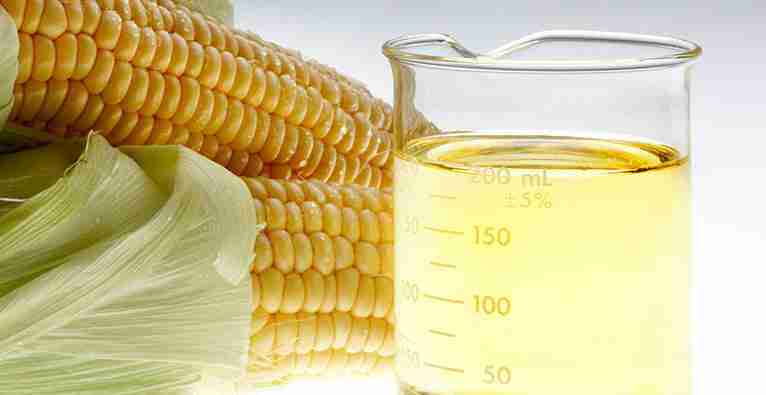
The Many Stages of Corn Processing
Corn is a staple food that goes through a complex process before reaching our tables. The journey of corn processing involves various stages that bring out the best in this versatile grain. From the fields to the factories, corn undergoes a transformation that highlights its nutritional benefits and culinary versatility.
One of the first stages in corn processing is cleaning and sorting the corn kernels. This step involves removing any impurities such as dirt and stones and ensuring that only the highest quality kernels are used. The next stage is milling, where the corn kernels are ground into different textures like cornmeal, corn flour, and grits. These products can be used in a variety of dishes, from savory cornbread to sweet corn cakes. Overall, the process of corn processing is a fascinating journey that showcases the many uses and benefits of this incredible grain.
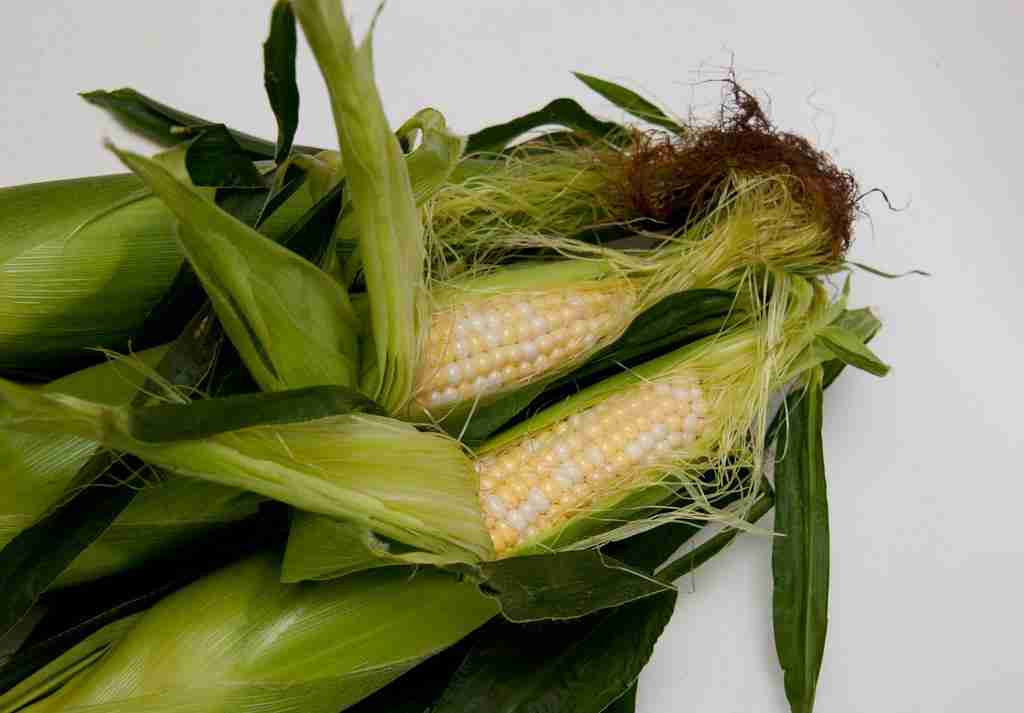
Unlocking the Nutritional Benefits of Corn
When it comes to , the process of corn processing plays a crucial role in ensuring that the nutrients present in this versatile grain are made readily available for consumption. Through various processing techniques, corn can be transformed into a multitude of products that are not only delicious but also rich in essential vitamins and minerals.
One of the key steps in the processing of corn is tempering, where the corn kernels are soaked in water to increase their moisture content. This step helps soften the kernels and make them more pliable, making it easier to separate the different components of the grain. After tempering, the corn is then milled to break it down into smaller particles, which can be further processed into products such as cornmeal, corn flour, and cornstarch. By understanding the intricacies of corn processing, we can fully unlock the nutritional potential of this humble yet nutritious grain.

Efficient Techniques for Corn Processing
When it comes to efficiently processing corn, there are several key techniques that can make the process smoother and more effective. One essential method is properly cleaning the corn before processing to remove any dirt or debris. This ensures that the corn is ready for the next steps in the processing chain. Another important technique is utilizing modern machinery such as corn grinders and mills to break down the corn into various forms, whether it be cornmeal, corn flour, or even cornstarch. These machines can significantly speed up the processing time and ensure a consistent quality product.
Furthermore, implementing a systematic approach to corn processing, such as using a flowchart to map out each step of the process, can help streamline operations and minimize errors. Additionally, utilizing specialized techniques like soaking or fermenting the corn can enhance its nutritional value and bring out unique flavors in the final product. By combining these efficient techniques, corn processing can be elevated to a whole new level, resulting in high-quality products that are sure to impress consumers.

Innovations in Corn Processing Technology
Corn processing technology has come a long way in recent years, with constant innovations shaping the industry and revolutionizing the way we process this staple crop. From traditional methods to cutting-edge techniques, the process of transforming corn into various products has evolved significantly, providing more efficiency and better quality outputs.
One of the most exciting is the use of enzymatic hydrolysis to break down corn starch into its constituent sugars. This process not only increases the yield of valuable sugars but also reduces the energy consumption and waste generated during processing. Additionally, the development of automated sorting and quality control systems has improved the consistency and purity of corn products, ensuring that consumers receive only the highest quality goods. Overall, these advancements in corn processing technology are not only benefitting the industry but also leading to more sustainable and eco-friendly practices.
In Conclusion
As we peel back the layers of corn processing, it becomes clear that this seemingly simple grain undergoes a complex journey to reach our tables. From harvest to storage to milling, each step is crucial in transforming corn into the versatile ingredient we know and love. Next time you bite into a piece of cornbread or savor a spoonful of corn soup, take a moment to appreciate the intricate process that brought that golden grain from the cob to your plate. Whether enjoyed as a snack, a staple, or a sweet treat, corn truly is at the core of a myriad of culinary delights. So let’s raise a toast to one of nature’s most versatile gifts – corn, processed to perfection.



