
In a world where culinary innovation meets agricultural advancement, the grain industry stands on the cusp of a transformative breakthrough. Enter the Jet Rice Polisher: a remarkable piece of technology that is resetting the standards for rice processing. As the staple food of billions, rice’s journey from the field to the plate is crucial, and with increasing demand for quality and efficiency, the Jet Rice Polisher emerges as a game-changer. This article delves into the inner workings of this cutting-edge device, exploring its engineering marvels, the science behind its polishing capabilities, and the potential ripple effects it could create within global food systems. Join us as we uncover how this innovation is revolutionizing grain processing and reshaping our relationship with one of humanity’s oldest staples.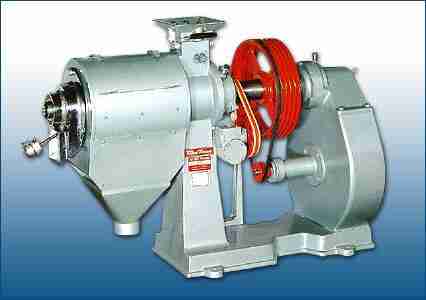
Unveiling the Technology Behind Jet Rice Polishing
The technology of jet rice polishing represents a significant leap forward in the grain processing industry, combining precision engineering with culinary excellence. At the core of this innovative approach lies the use of high-velocity air jets that gently dislodge impurities while preserving the integrity of each grain. This method not only enhances the aesthetic appeal of the rice—creating a lustrous finish—but also retains essential nutrients that traditional polishing techniques may strip away. As a result, consumers enjoy a product that is both visually appealing and nutritionally sound.
Central to jet rice polishing is its sophisticated design, which includes several key components that optimize performance:
- Airflow Management: Engineered to create a controlled stream of air that precisely targets the rice surface.
- Variable Speed Controls: Allowing operators to adjust the intensity of the polishing process based on grain type and desired finish.
- Conveyor Systems: Efficiently transport rice through the polishing chamber, minimizing breakage and friction.
These features translate into a smoother, cleaner product while significantly reducing processing time. The versatility of jet rice polishing enables it to adapt to different rice varieties, ensuring that each grain, regardless of type, meets the high standards of quality expected by consumers. This technology is indeed setting new benchmarks in rice processing, enticing manufacturers to embrace innovation for better products.

Enhancing Nutritional Value Through Precision Processing
The journey of transforming raw grains into nutritious meals is increasingly reliant on innovative technology. With the introduction of the Jet Rice Polisher, this process has reached a new pinnacle. This state-of-the-art machine utilizes precise airflow and micro-pulses to carefully remove outer layers of the grain without sacrificing the essential nutrients locked inside. As a result, rice isn’t just polished; it becomes a nutrient-dense option that offers a host of health benefits, including improved digestibility and enhanced flavor profiles.
By implementing precision processing, the Jet Rice Polisher ensures that the integrity of grains is maintained while enhancing their nutritional value. The advantages of this technique are numerous:
- Minimized nutrient loss: Traditional polishing methods often strip grains of their vital nutrients, while precise processing retains more vitamins and minerals.
- Flavor enhancement: The gentle polishing technique brings out the natural flavors, making meals more enjoyable without the need for excessive additives.
- Improved shelf life: By effectively removing impurities and storing grains in optimal conditions, the machine extends the shelf life of polished grains.
To illustrate the impact of precise processing, the following table outlines the nutritional benefits of rice polished using the Jet Rice Polisher compared to conventionally polished rice:
| Nutrient | Conventional Polished Rice | Jet Rice Polished Rice |
|---|---|---|
| Vitamin B1 (Thiamine) | 0.06 mg | 0.12 mg |
| Iron | 0.2 mg | 0.5 mg |
| Fiber | 0.4 g | 1.2 g |
This advancement in grain processing not only resonates with health-conscious consumers but also aligns with a sustainable future by optimizing food resources.
Sustainable Practices in Grain Polishing for the Future
The journey towards sustainability in grain polishing is gaining momentum as innovative technologies reshape the way we approach rice processing. Traditional polishing methods often resulted in significant resource waste, yet modern solutions like the Jet Rice Polisher challenge this norm. By employing a combination of air and controlled pressure, this technology not only reduces water usage but also minimizes the amount of broken rice—a common issue in conventional polishing systems. Key benefits include:
- Reduced Water Consumption: The Jet Rice Polisher uses a dry polishing technique that significantly lowers the need for water compared to traditional methods.
- Higher Yield: With less grain breakage, farmers and producers can enjoy an increased yield, enhancing profitability while meeting demand.
- Eco-Friendly Materials: The construction of these machines often incorporates sustainable materials, further reducing their environmental impact.
As we head into a future where sustainability is a priority, the adoption of efficient technologies like the Jet Rice Polisher may pave the way for more responsible agricultural practices. A critical aspect of this transformation lies in the commitment of producers to maintain transparency in their operations. This includes understanding the overall lifecycle impacts of polishing technology and striving for continual improvements. The following table highlights various sustainable factors that are gaining traction in the grain polishing industry:
| Sustainable Factor | Impact |
|---|---|
| Water Efficiency | Lowered resource depletion and reduced runoff pollution. |
| Energy Usage | Decreased energy footprints through optimized machinery. |
| Waste Reduction | Less broken rice leads to lower waste and better food security. |
Adopting Jet Rice Polishing: A Guide for Modern Millers
The leap towards advanced rice milling technology is encapsulated in the adoption of Jet Rice Polishing techniques. This cutting-edge method employs a high-velocity jet of air to uniformly polish the surface of the rice grains, enhancing their appearance and market appeal. Compared to traditional methods, jet polishing minimizes the production of broken grains and maximizes overall yield. Millers embracing this innovation find themselves not only improving the quality of rice but also enhancing operational efficiency, which is crucial in today’s competitive market.
To seamlessly integrate the Jet Rice Polisher into your milling operations, consider the following steps:
- Assess Existing Equipment: Evaluate the compatibility of current milling machines with jet polishing technology.
- Training and Education: Provide comprehensive training for staff on the operational nuances of jet polishing.
- Investment in Technology: Factor in the costs associated with acquiring the Jet Rice Polisher and its maintenance.
- Monitor and Adapt: Regularly assess the performance of the polisher and be ready to make adjustments based on feedback and results.
| Advantage | Jet Rice Polishing |
|---|---|
| Quality Improvement | Enhances the appearance and reduces scratches on the grains. |
| Yield Maximization | Minimizes grain breakage during polishing. |
| Operational Efficiency | Reduces time and energy costs compared to conventional methods. |
In Retrospect
As we draw the curtain on our exploration of the Jet Rice Polisher, it becomes clear that this innovative instrument stands at the forefront of a transformative era in grain processing. By marrying advanced technology with traditional practices, the Jet Rice Polisher not only enhances the quality of rice but also paves the way for more sustainable and efficient farming methods.
As the agricultural landscape continues to evolve, the integration of such pioneering tools could redefine our relationship with one of the world’s staple foods. The implications of this technology extend beyond mere aesthetics, reaching into realms of nutrition, waste reduction, and global food security. As producers and consumers alike adapt to these advancements, the potential for change remains vast and exciting.
In the years to come, we can anticipate further innovations that will continue to enhance food production and processing. The Jet Rice Polisher is just the beginning of a journey toward reimagining how we cultivate, process, and consume grains. As we stand on the brink of this agricultural renaissance, the future looks not only polished but also brighter.



