
Steaming Ahead: The Art and Science of Rice Processing
In the heart of kitchens across the globe lies a staple that transcends borders and cultures—rice. This humble grain, often referred to as the “food of the world,” is not only a vital source of nourishment for more than half of the planet’s population, but it also embodies a fascinating interplay between tradition and innovation. “Steaming Ahead: The Art and Science of Rice Processing” takes you on a journey through the intricate processes that transform paddy into the fluffy, versatile grains we cherish on our plates.
From the sunlit fields where rice is cultivated to the high-tech milling facilities that ensure quality and consistency, the path of rice is one of meticulous attention to detail. This article delves into the historical practices that have shaped rice processing over centuries and explores the modern techniques that enhance its flavor, texture, and nutritional value. Join us as we unpack the delicate balance of art and science that governs this essential grain, revealing how age-old traditions coexist with cutting-edge advancements in the quest for the perfect bowl of rice.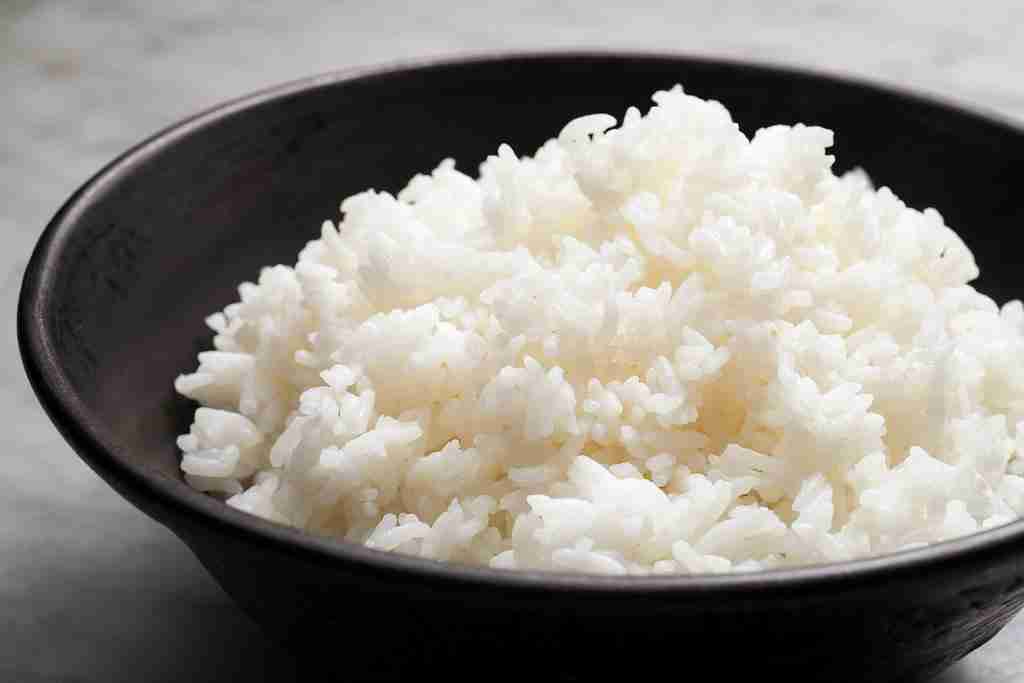
Understanding the Rice Lifecycle from Harvest to Plate
Once the rice is harvested, it embarks on a transformative journey that unites traditional techniques with cutting-edge technology. Initially, the rice grains are separated from the stalks during the threshing process, where careful mechanical operations ensure minimal damage. Post-threshing, the grains are subjected to pre-drying treatments which reduce moisture content, a critical step for preventing spoilage during storage. Subsequently, the grains are hulled, removing the inedible husk and revealing the true treasure within. This initial processing step is crucial, as the quality of the final product hinges on the efficacy of these methods.
After hulling, the rice enters the next phase: milling. Here, precision is key, as the aim is to create the perfect balance of nutrient retention and texture. The milling process often includes multiple steps:
- Brown Rice: The first stage preserves the bran layer, offering higher nutritional value.
- White Rice: A subsequent step polishes the grains, creating a glossy appearance and softer texture.
- Sorting and Grading: This involves classifying rice based on size, shape, and color, ensuring consistency in quality.
Moving towards the final stage, the packaged rice awaits its journey to various culinary destinations. Each step of the rice lifecycle culminates in an array of dishes and flavors, from steaming bowls of jasmine to hearty risottos—a testament to the intricate processes that bring rice from field to feast.

Techniques of Steaming: Elevating Flavor and Texture
Steaming rice is more than just a cooking method; it’s a delicate process that unlocks a depth of flavor and an exquisite texture that sets it apart from other preparation techniques. By using gentle heat and moisture, steaming allows for even cooking without direct contact with boiling water, preserving the nutrients and enhancing the natural sweetness of the grains. To master this technique, consider incorporating elements such as:
- Correct Water Ratio: Optimal water levels prevent overcooking and help achieve that characteristic fluffy texture.
- Resting Time: Allowing the rice to rest post-steaming lets moisture redistribute, enhancing flavor absorption and texture.
- Infusions: Adding herbs or spices to the steaming water can create subtle layers of flavor that elevate the dish.
Furthermore, the choice of steaming apparatus plays a critical role in determining the final outcome. Traditional bamboo steamers not only impart a unique aroma but also facilitate better air circulation, ensuring even cooking. Modern electric steamers may offer convenience but can sometimes overly concentrate heat, leading to uneven results. It is essential to consider:
| Steamer Type | Key Benefits | Ideal Use |
|---|---|---|
| Bamboo Steamer | Authentic flavor, even heat distribution | Traditional dishes, small batches |
| Electric Steamer | Time-saving, easy to use | Busy kitchens, larger quantities |
| Stovetop Pot | Versatile, multi-use | Everyday cooking, quick meals |
Nutritional Benefits: How Processed Rice Supports Healthy Choices
Processed rice, a staple in numerous diets worldwide, is not just convenient; it also boasts remarkable nutritional benefits that align well with healthy eating choices. When rice is processed, it undergoes methods like milling, polishing, and sometimes fortification, which enhance its nutritional profile. For instance, brown rice, which retains its bran and germ layers, is packed with dietary fiber, promoting digestive health and helping to maintain stable blood sugar levels. On the other hand, white rice, though often seen as less nutritious, can be enriched with essential vitamins and minerals during processing. This ensures that it remains a reliable energy source, with options like iron and B vitamins added to support overall wellness.
Moreover, the adaptability of processed rice makes it a versatile foundation for various meals that cater to diverse dietary needs. Consider the benefits of incorporating rice into a balanced diet:
- Gluten-Free: Naturally gluten-free, rice offers an excellent alternative for those with gluten sensitivity or celiac disease.
- Low in Fat: Rice is inherently low in fat and calories, making it suitable for weight management.
- Rich in Carbohydrates: A great energy source, perfect for active lifestyles and daily nutrient intake.
- Mineral Content: Processed varieties can be fortified with calcium, magnesium, and potassium, essential for bodily functions.
In addition, the process of steaming rice enhances its nutrient absorption, ensuring that essential elements are not only retained but also easier for the body to utilize. The quick cooking time and moisture retention during steaming contribute to the preservation of vitamins while delivering a delightful texture. Below is a simple comparison of nutritional content in different rice types, showcasing the benefits of processed rice:
| Rice Type | Calories (per 100g) | Fiber (g) | Protein (g) |
|---|---|---|---|
| Brown Rice | 111 | 3.5 | 2.6 |
| White Rice | 130 | 0.4 | 2.4 |
| Enriched White Rice | 130 | 0.6 | 2.4 |
Best Practices for Home Rice Preparation and Storage
When it comes to rice preparation, starting with the right technique can elevate your culinary experience significantly. Thoroughly rinsing your rice not only removes excess starch but also enhances the texture, resulting in a fluffy final product. Rinse your rice under cold water until the water runs clear, which usually takes 2-3 rounds. Soaking the rice for 30 minutes prior to cooking can also help achieve a better distribution of moisture, ultimately leading to even cooking. Depending on the type of rice, adjusting the soaking duration can further refine your outcomes, ensuring that varieties like jasmine or basmati attain their fragrant, delicate nature.
Storage is equally crucial for maintaining the quality of your rice. Keep your uncooked rice in airtight containers to protect it from humidity and pests. A cool, dry pantry is the ideal spot, but for long-term storage, consider a vacuum-sealed bag. For cooked rice, ensure it cools to room temperature before sealing it in a container and refrigerating it. It remains best consumed within 3-4 days; for longer preservation, portion it and freeze it. Below is a simple guide to rice storage that can help you maintain its freshness and flavor:
| Type of Rice | Storage Method | Shelf Life |
|---|---|---|
| White Rice | Airtight containers in a cool place | Indefinite (if stored properly) |
| Brown Rice | Refrigerated in airtight containers | 6 months to 1 year |
| Cooked Rice | Refrigerated in containers or frozen | 3-4 days (in fridge), 1 month (in freezer) |
Future Outlook
As we conclude our exploration of rice processing, we gain a deeper appreciation for the intricate dance between art and science that transforms this humble grain into a staple food cherished across cultures. From the meticulous selection of premium varieties to the cutting-edge technologies employed in milling and packaging, every step is a testament to human ingenuity and respect for nature.
In the fascinating journey from paddy to plate, we’ve uncovered the nuances that ensure quality, flavor, and nutrition are preserved, allowing rice to fulfill its role as a dietary cornerstone for billions around the globe. As we move forward, it is crucial to embrace sustainable practices that honor both the environment and the communities that cultivate this vital resource.
Ultimately, rice processing is not merely a technical endeavor—it is a celebration of tradition, innovation, and the interconnectedness of our global food systems. So as we continue to enjoy this beloved grain in our meals, let us remember the artistry behind its journey and the science that keeps it steaming ahead into the future.



