
In the heart of agrarian landscapes, where lush green fields sway gently under the embrace of the sun, lies a hidden transformative journey that often goes unnoticed—the journey of a paddy processing plant. From the rhythmic dance of farmers tending to their crops to the intricate machinery that converts golden grains into edible nourishment, this story transcends the simplicity of harvesting. It encapsulates the complex interplay of tradition and technology, resilience and innovation. As we delve into the world of rice processing, we will uncover not only the mechanics that drive this vital industry but also the human stories, environmental impacts, and economic implications that shape its evolution. Join us as we explore how a humble seed transforms into the staple that feeds millions, illuminating the path of sustainability and progress in modern agriculture.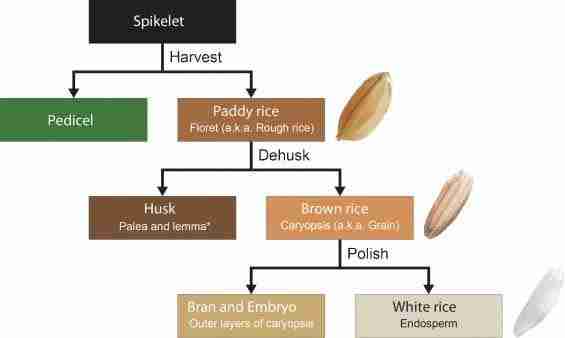
Understanding the Paddy Processing Landscape and Its Challenges
The paddy processing landscape is a complex tapestry woven from diverse threads of technology, labor, and agricultural practices. At the heart of this intricate ecosystem lies the processing plant, the beating heart of efficiency where raw paddy is transformed into a market-ready product. The journey begins with the collection and drying of paddy, which is crucial for quality preservation. Once dried, the grains undergo several stages such as milling, husking, and polishing. Each step in this journey is marked by its own set of challenges, ranging from technological limitations to fluctuating market prices.
Among the prominent challenges faced by processing plants are issues surrounding sustainability and resource management. Modern facilities are increasingly compelled to adopt eco-friendly practices that minimize waste and energy consumption. Additionally, workforce skills play a significant role in enhancing operational efficiency. The integration of technology in training programs can help bridge the skills gap. Some key factors that influence the paddy processing landscape include:
- Technological Advancements: Upgrading machinery for higher efficiency.
- Supply Chain Dynamics: Navigating fluctuations in raw material availability.
- Market Competition: Staying ahead of competitors through quality and pricing strategies.
| Challenge | Possible Solution |
|---|---|
| Labor Shortages | Invest in training programs for workers |
| Energy Costs | Implement renewable energy sources |
| Waste Management | Adopt zero-waste processing systems |

Innovative Technologies Driving Efficiency and Quality in Processing
In the realm of paddy processing, the advent of cutting-edge technologies has revolutionized the way operations are conducted. Automation plays a pivotal role, with sleek machinery and advanced robotics handling everything from sorting to packaging. Smart sensors and IoT devices enable real-time monitoring of the processing line, allowing for swift adjustments that enhance both efficiency and product quality. The integration of AI and machine learning algorithms empowers data-driven decision-making, enabling plant managers to predict equipment failures and schedule maintenance proactively, reducing unexpected downtimes. The result is a seamless processing experience that minimizes waste and maximizes yield.
Furthermore, the emphasis on sustainability within paddy processing is seeing the rise of eco-friendly technologies. Solar energy systems are being installed to power operations, significantly cutting carbon footprints. Water management technologies are optimizing the use of resources, ensuring that water recycling meets the high standards required for processing without compromising quality. Additionally, through advanced milling techniques, the retention of key nutrients in the rice is achieved, offering health-conscious consumers superior products. This harmonious blend of innovation fosters an environment where both efficiency and quality flourish, paving the way for a sustainable future in agricultural processing.
Sustainable Practices for Environmental and Economic Resilience
Embracing sustainable practices in paddy processing not only benefits the environment but also fortifies the economic foundation of local communities. By implementing advanced technologies such as water-efficient milling systems and biomass energy utilization, paddy processing plants can significantly reduce their resource consumption. This approach not only minimizes waste but also creates a circular economy by generating energy from byproducts. Restorative practices like cultivating cover crops help improve soil health, while solar-powered drying facilities can cut energy costs and reduce greenhouse gas emissions. Together, these strategies enable a thriving agricultural sector that is resilient to climate challenges.
Furthermore, utilizing a community-first model can enhance both social and economic resilience. Engaging local farmers in cooperative initiatives fosters a sense of ownership and encourages sustainable farming practices. Some effective community-oriented strategies include:
- Education and Training Programs: Offering workshops on sustainable agricultural techniques.
- Fair Trade Initiatives: Ensuring fair prices for local farmers’ produce.
- Partnerships with Local Businesses: Promoting regional supply chains that bolster the local economy.
This synergy between environmental stewardship and community engagement can transform paddy processing plants into beacons of sustainability, nurturing both the land and the livelihoods dependent on it.
Empowering Local Communities Through Knowledge and Partnerships
In a world increasingly dependent on sustainable practices, knowledge sharing becomes the bedrock upon which local communities can thrive. A paddy processing plant serves not just as an industrial facility but as a hub of learning and collaboration that empowers farmers, workers, and entrepreneurs. By fostering partnerships with local agricultural experts, non-profits, and universities, these plants provide essential training sessions that equip community members with valuable skills. This includes:
- Workshops on sustainable farming techniques
- Financial literacy programs
- Information on health and hygiene practices
This unique intersection of knowledge and practice nurtures a culture of innovation and resilience. Collaboration with local businesses and markets not only stimulates the economy but also creates a network of support that enhances the livelihoods in these communities. When farmers and processors work hand-in-hand, potential challenges such as market access and fluctuating prices transform into opportunities for growth and diversification. To illustrate this impact, consider the following table:
| Partnership Type | Benefit | Community Impact |
|---|---|---|
| Local NGOs | Access to resources | Improved quality of life |
| Research Institutions | Access to new technologies | Increased crop yields |
| Government Programs | Subsidies and grants | Enhanced economic stability |
By weaving a strong tapestry of local knowledge and partnerships, these paddy processing plants not only change the landscape of agricultural production but also build a vibrant community capable of tackling both current and future challenges.
In Conclusion
As the sun sets over the lush fields that cradle the paddy processing plant, we reflect on the remarkable journey of transformation that has redefined both the facility and the community it serves. From humble beginnings marked by laborious manual processes to the seamless integration of cutting-edge technology, this plant stands as a testament to innovation and resilience.
The echoes of machinery blend harmoniously with the laughter of workers who once toiled in the fields, now empowered by skill development and new opportunities. This transformation extends beyond the confines of the processing plant; it ripples through the local economy, nourishes families, and cultivates a renewed sense of hope for future generations.
As we look to the horizon, it becomes clear that the journey does not end here. The path to sustainable growth and community empowerment is ever-evolving, inspiring us to envision the next chapter in the story of agricultural progress. Together, we celebrate the fruits of hard work and dedication—fruitful not just in the fields but in the hearts of those who call this place home. With a collective commitment to sustainability and innovation, the journey of transformation continues, ensuring a brighter future for all involved.



