
In the heart of agricultural innovation, a quiet revolution is underway—one that promises to transform the rice production landscape for smallholder farmers around the world. As global demand for rice continues to soar, traditional milling practices struggle to keep pace. Enter mini rice mills: compact, efficient, and remarkably versatile machines that are reshaping the way rice is processed and cultivated. These small yet mighty mills not only enhance productivity but also empower farmers by providing them with greater control over their produce. In this article, we will explore the rise of mini rice mills, uncovering the potential they unlock for rural economies, food security, and sustainable practices. Join us as we delve into the intricacies of this burgeoning industry and discover how mini rice mills are making a big impact, one grain at a time.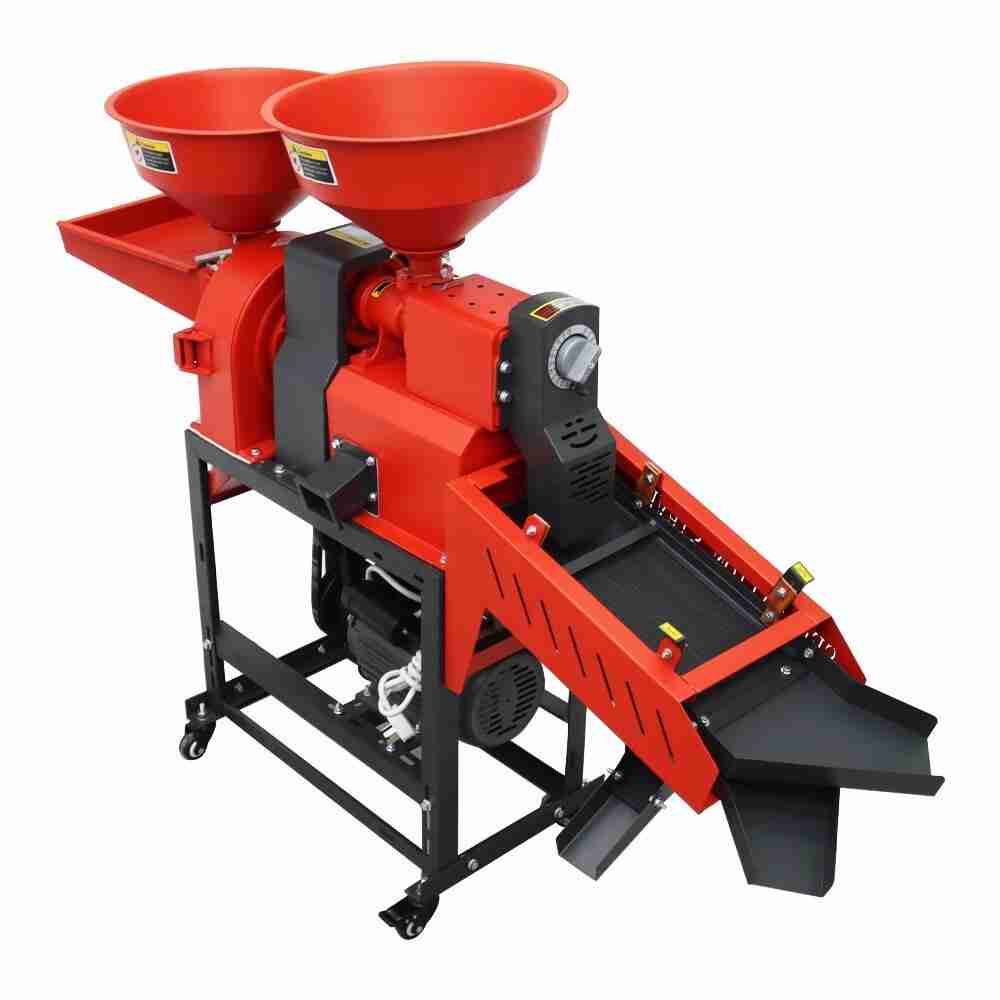
Understanding the mini rice mill Revolution
The mini rice mill revolution has transformed the landscape of small-scale agriculture, enabling farmers to optimize their production while minimizing costs. Unlike traditional large-scale milling plants, which often come with substantial overhead expenses and logistical challenges, mini rice mills offer a more accessible solution for rural communities. These compact units not only process rice efficiently but also empower local farmers by providing them with the tools to add value to their produce. As a result, many farmers have reported increases in their income levels, thanks to reduced reliance on external milling services.
The advantages of mini rice mills extend beyond just financial gains. Here are some key benefits of these innovative milling solutions:
- Efficiency: Quick processing times that keep up with demand.
- Affordability: Lower initial investment and reduced operating costs.
- Accessibility: Ideal for small farmers and rural entrepreneurs.
- Customization: Ability to mill rice according to specific market needs and preferences.
| Feature | Traditional Mill | mini rice mill |
|---|---|---|
| Investment Cost | High | Low |
| Milling Capacity | Large-scale | Small-scale |
| Processing Time | Long | Short |
| Energy Consumption | High | Efficient |
As the popularity of mini rice mills continues to soar, they’re not only enhancing local economies but also championing a sustainable approach to rice production. By reducing post-harvest losses and enabling farmers to control their production processes, these mills are pivotal in fostering agricultural innovation in rural settings. This revolution is proving that small-scale solutions can yield significant impacts, paving the way for a prosperous and self-reliant farming future.
Benefits of Adopting Mini Rice Mills for Farmers
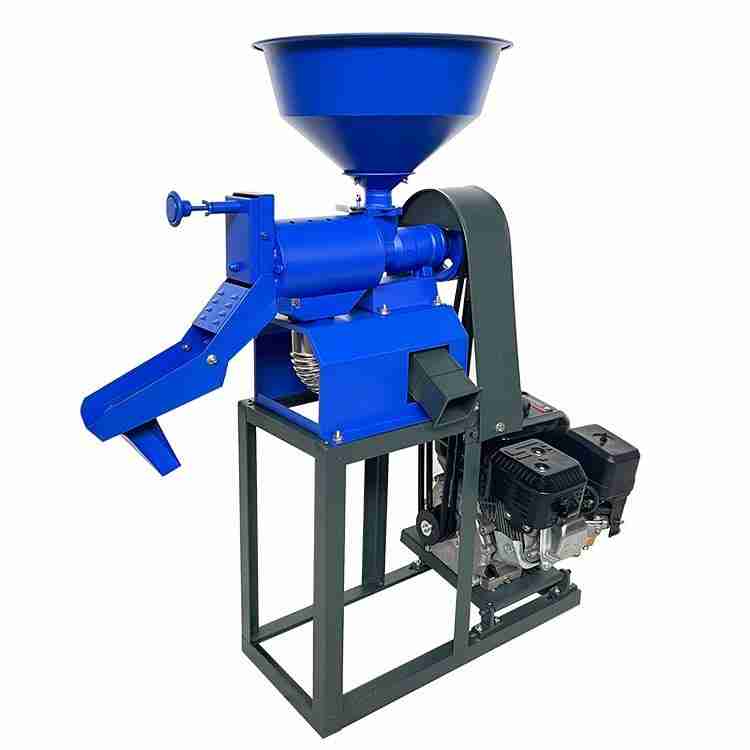
Adopting mini rice mills provides numerous advantages for farmers, transforming their agricultural practices and enhancing their economic prospects. One of the most significant benefits is increased efficiency. Farmers can process their rice on-site, minimizing transportation costs and reducing the risk of post-harvest losses due to pests or spoilage. Furthermore, mini rice mills often come with modern technology that allows farmers to process larger quantities of rice in less time, increasing their overall productivity. This self-sufficiency empowers local farmers, enabling them to control their supply chains and retain more profit from their harvests.
Additionally, mini rice mills contribute to value addition in the agricultural sector. By milling their rice, farmers can produce a higher quality product that can command better prices in the market. Moreover, they have the opportunity to diversify their offerings by producing different rice grades or bran products. This diversification can lead to innovative business models and help farmers reach new consumers, both locally and regionally. In essence, the installation of mini rice mills fosters rural development by creating job opportunities, stabilizing local economies, and supporting sustainable farming practices.
Technical Insights into the Operation and Efficiency of Mini Rice Mills
Mini rice mills operate using a combination of innovative engineering and efficient processing techniques. At their core, these mills utilize a miniaturized version of traditional milling machinery, enabling them to process paddy into rice with precision and minimal waste. Key components include huskers, whiteners, and polishers, which work in tandem to remove the outer layers of the paddy while preserving the grain’s quality. The implementation of modern technology, such as automatic controls and energy-efficient motors, enhances their operational efficiency and output. This allows small-scale farmers to reap higher profitability and reduces the dependency on large commercial mills, effectively instilling a sense of autonomy in rice production.
The efficiency of mini rice mills is further augmented by the adoption of modular designs, which facilitate easy maintenance and scalability. By incorporating adjustable settings, mill operators can customize the milling process according to the type of rice being processed, thus reducing the risk of over-processing or under-processing. Additionally, advancements in grain separation technology ensure higher rates of polished rice yield, ultimately enhancing product quality. Below is a comparative table illustrating the differences in operational aspects between traditional and mini rice mills:
| Feature | Traditional Rice Mills | Mini Rice Mills |
|---|---|---|
| Energy Consumption | High | Low |
| Space Requirements | Large | Compact |
| Maintenance | Complex | Simple |
| Cost of Setup | High | Affordable |
Future Trends: Enhancements and Innovations in Mini Rice Milling Technology
The landscape of mini rice milling technology is undergoing a profound transformation, driven by advances that not only enhance efficiency but also prioritize sustainability. Cutting-edge innovations such as solar-powered milling units and automated quality control sensors are at the forefront, allowing farmers to reduce operational costs while enhancing the quality of their rice yield. The integration of Internet of Things (IoT) technology enables real-time monitoring and analytics, giving mill operators insights that were previously unattainable. This shift toward digitalization is not just about automation; it’s about creating a smarter, more responsive system that can adapt to market demands and environmental challenges.
As mini rice mills continue to evolve, several key trends can be identified that promise to revolutionize the industry:
- Compact Design: New designs are becoming increasingly modular, allowing for easy transportation and integration into smallholder farms.
- Energy Efficiency: Enhancements in energy consumption through the use of renewable resources aim to support sustainable agricultural practices.
- Low-Cost Solutions: Affordable technologies enable small farmers to access advanced milling techniques without breaking the bank.
| Feature | Benefit |
|---|---|
| IoT Connectivity | Real-time monitoring and analytics |
| Solar Power Options | Reduced reliance on conventional energy sources |
| Automated Processes | Increased efficiency and reduced labor costs |
Final Thoughts
In a world where agriculture meets innovation, mini rice mills are emerging as pivotal players in the journey toward sustainability and economic empowerment. By unlocking the potential of small-scale production, these mills are not just reshaping the landscape of rice processing; they are also fostering community resilience, enhancing food security, and uplifting rural economies.
As we reflect on the rise of mini rice mills, it is clear that this transformation is more than just a technical advancement; it is a testament to the ingenuity of farmers and entrepreneurs who are harnessing the power of local resources to create lasting change. The story of these mills is one of adaptability, efficiency, and the unwavering belief that even the smallest tools can make a monumental impact.
As we look to the future, it’s essential to continue supporting developments in this sector, fostering innovation, and recognizing the vital role that these mini mills play in our global food supply chain. The journey of unlocking potential is far from over, and the possibilities are as vast and varied as the fields of rice they nurture. Let us embrace this evolution, champion the small players, and nourish the future, one grain at a time.



