
Transforming Paddy: The Art and Science of Rice Processing
In the lush, green fields where the golden grains of paddy sway gently with the breeze, an intricate transformation unfolds. Rice, one of the world’s most vital staple foods, embarks on a remarkable journey from its unassuming form as paddy to the polished, aromatic grains that fill our kitchens and nourish our communities. This metamorphosis is not merely a function of nature but a fine blend of art and science that dates back thousands of years. Exploring the various stages of rice processing reveals a rich tapestry of cultural traditions, technological advancements, and sustainable practices that work in concert to enhance the quality and accessibility of this essential crop. Join us as we delve into the art and science of rice processing—uncovering the techniques, challenges, and innovations that redefine the humble paddy into a global phenomenon.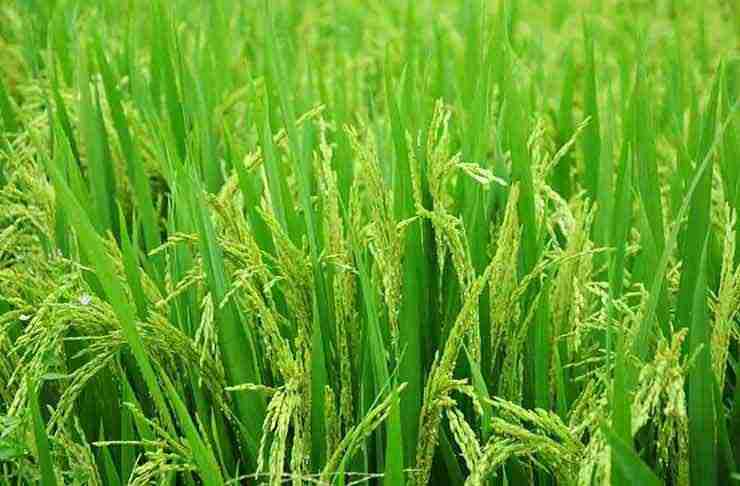
Understanding the Journey from Paddy to Rice: An Overview of Processing Techniques
The transformation of paddy into rice is a meticulous process that blends traditional techniques with modern innovations. Initially, harvested rice is subjected to threshing, which separates the grains from the stalks, followed by drying to reduce moisture content. This step is crucial as it prevents spoilage and prepares the grains for storage or further processing. Once dried, the paddy undergoes milling, a multi-step operation that involves husking to remove the outer shell, and then polishing to enhance appearance and quality. This process produces white rice, which is the most commonly consumed form. However, there is also a growing trend in preferring brown rice, which retains the bran and germ layers, offering increased nutritional benefits.
In addition to basic processing, advanced techniques are continually being refined to maximize yield and quality. Parboiling, for instance, is an innovative technique that involves soaking the paddy, steaming, and then drying it. This not only improves the nutritional profile but also enhances cooking characteristics. Other processing methods include fortification, where essential vitamins and minerals are added to the rice, and packaging innovations that extend shelf life through vacuum sealing or nitrogen flushing. The table below summarizes some key processing techniques and their benefits:
| Processing Technique | Benefits |
|---|---|
| Threshing | Separates grains from stalks |
| Drying | Prevents spoilage, makes storage easier |
| Milling | Removes husk, enhances quality and appearance |
| Parboiling | Improves nutrition and cooking properties |
| Fortification | Adds essential nutrients |
Enhancing Quality and Yield: Innovations in Rice Milling Technology
In the ever-evolving landscape of agricultural technology, rice milling has experienced a significant transformation, driven by the need to enhance both quality and yield. Recent advancements include the implementation of automated milling systems which allow for precise control of the milling process. These systems utilize sophisticated sensors and real-time data analytics to monitor moisture levels, grain structure, and temperature, ensuring optimal husking and polishing. This level of automation not only minimizes human error but also streamlines operations, leading to a substantial reduction in post-harvest losses and an increase in the overall efficiency of rice processing.
Moreover, innovations like eco-friendly milling techniques have emerged, focusing on sustainable practices that lessen environmental impact while boosting yield. Techniques such as water-efficient polishing and biomass utilization for energy are gaining traction. Additionally, the integration of smart milling solutions, employing machine learning algorithms to predict maintenance needs, ensures that equipment operates at peak performance without downtime. As we look ahead, the role of innovation in rice milling appears to be pivotal in meeting the growing global demand for this staple food, all while encouraging sustainable agricultural practices.
Sustainable Practices in Rice Processing: Balancing Efficiency and Environmental Impact
The intricate journey from paddy to processed rice is at a pivotal juncture, where modern techniques meet age-old practices in the quest for sustainability. Implementing sustainable methods not only optimizes resource usage but also minimizes environmental degradation. Key practices that highlight this balance include:
- Water Management: Transitioning to efficient irrigation systems reduces water wastage, ensuring that rice cultivation remains productive while conserving vital resources.
- Waste Utilization: Integrated processing systems that repurpose by-products, such as rice husks and bran, into valuable products like biofuels or animal feed, exemplify circular economy principles.
- Energy Efficiency: Utilizing renewable energy sources, such as solar or biomass, in milling processes significantly lowers carbon footprints.
Moreover, the adoption of technology in rice processing adds a layer of efficiency to sustainable practices. Innovations such as *precision milling* minimize the amount of grain lost during processing, while *smart monitoring* systems help in tracking resource consumption and waste generation. The following table illustrates a comparison of traditional versus modern sustainable practices in rice processing:
| Aspect | Traditional Practices | Modern Sustainable Practices |
|---|---|---|
| Resource Utilization | High water and energy consumption | Reduced water usage through efficient systems |
| Waste Management | Limited by-product use | Repurposing waste for energy and feed |
| Carbon Emissions | Significant emissions from processing | Utilization of renewable energy sources |
Preserving Nutritional Value: Techniques for Optimal Rice Flour Production
When it comes to rice flour production, maintaining the nutritional integrity of the grain is paramount. The process begins with selecting high-quality paddy, ensuring that the grains are fresh and unblemished. Techniques such as soaking and steaming can enhance the gelatinization properties of the rice, which is crucial for improving the bioavailability of nutrients. Additionally, utilizing low-temperature milling methods helps minimize the loss of essential vitamins and minerals by reducing the heat exposure that can occur in traditional milling processes. This delicate balance ensures that rice flour retains its wholesome goodness, making it an excellent ingredient for various culinary applications.
Moreover, proper storage practices play a vital role in preserving the nutritional value of rice flour. Once milled, the flour should be kept in airtight containers and stored in cool, dry places to prevent moisture absorption and prevent rancidity. Implementing practices such as vacuum sealing can further extend shelf life and maintain flavor. Additionally, including the following tips can help in enhancing the nutritional profile of rice flour:
- Incorporate Fortification: Add nutrient-rich ingredients like legumes or seeds to enhance protein and fiber content.
- Choose Whole Grain Options: Utilize whole grain rice for flour production to ensure higher fiber and nutrient retention.
- Optimize Grinding Time: Find the sweet spot in milling time—too much grinding can lead to nutrient degradation.
In Retrospect
As we conclude our exploration of “Transforming Paddy: The Art and Science of Rice Processing,” we are reminded of the intricate dance between tradition and innovation that defines this vital industry. From the lush green fields where paddy sways in the breeze to the sophisticated milling techniques that bring forth the rice we know and love, each step in the process reveals a deep respect for nature and a commitment to quality.
The journey of rice is not just a story of agricultural prowess but also one of cultural significance, sustainability, and technological advancement. As we strive to feed a growing population while preserving our environment, the ongoing evolution of rice processing stands as a testament to human ingenuity and resilience.
We are left with a greater appreciation for the humble grain, which nourishes billions and connects us across continents. With every spoonful of rice, we partake in a complex narrative that intertwines art and science, reminding us that food is not simply a means of sustenance but a bridge between our past and our future.
Let us honor the journey of paddy, embracing both its heritage and its potential, as we look toward a world where innovation continues to illuminate the path for generations to come.



