
In the ever-evolving landscape of agricultural technology, the quest for superior grain quality has led to some remarkable innovations. Among them, the Jet Rice Polisher stands out as a game-changer, redefining the standards of rice processing with its cutting-edge design and efficiency. As global demand for high-quality rice continues to surge, this revolutionary machine promises to enhance the aesthetic appeal and nutritional profile of one of the world’s staple foods. In this article, we delve into the intricacies of the Jet Rice Polisher, exploring how its advanced polishing techniques are transforming the grain quality landscape while addressing sustainability and production challenges within the industry. Join us on this journey as we uncover the nuances of this technological advancement and its potential to shape the future of rice milling.
Harnessing Technology for Superior Grain Quality
Advancements in technology have ushered in a new era for grain processing, with innovations like the Jet Rice Polisher taking the lead in enhancing rice quality. This cutting-edge equipment utilizes aerodynamic principles to achieve a unique polishing effect, resulting in superior grain quality. By employing controlled air streams, the Jet Rice Polisher minimizes breakage while ensuring an even, lustrous finish that is not only appealing to consumers but also extends the shelf-life of the product. As a result, the industry is witnessing a transformation in both the aesthetic appeal and the nutritional value of rice.
The benefits of utilizing this technology are manifold. Consider the following advantages:
- Reduced Waste: Less broken rice during processing means increased yield and profitability.
- Energy Efficiency: Designed to consume less energy compared to traditional methods, leading to lower operational costs.
- Consistent Quality: Advanced controls ensure uniform polishing, resulting in a stable product that meets consumer expectations.
- Quality Assurance: Enhanced monitoring systems allow for real-time assessment of grain quality during the polishing process.
| Feature | Jet Rice Polisher | Traditional Polishing |
|---|---|---|
| Air Technology | ✓ | ✗ |
| Breakage Rate | Low | High |
| Energy Consumption | Low | High |
| Processing Time | Fast | Slower |
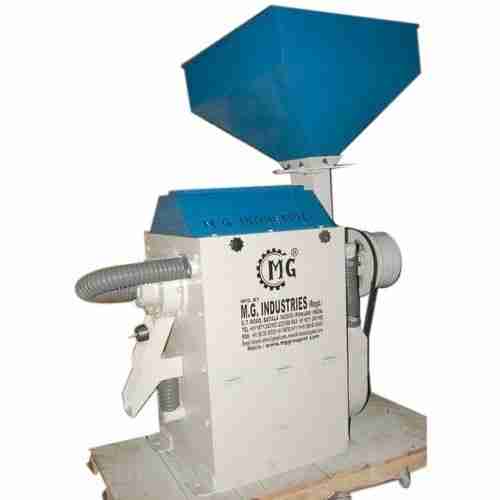
Understanding the Jet Rice Polisher Mechanism
The Jet Rice Polisher operates on a sophisticated mechanism that combines aerodynamics and precision engineering to ensure superior grain quality. Utilizing high-velocity jets of air, this innovative machine enhances the polishing process by minimizing grain breakage while maximizing surface smoothness. As rice grains pass through the polishing chamber, the air jets create a dynamic environment that delicately lifts off the bran layer, leaving behind perfectly polished white rice. This technique not only improves the aesthetic appeal of the rice but also retains essential nutrients that are often lost during traditional polishing methods.
Key features of the Jet Rice Polisher’s mechanism contribute to its efficiency and effectiveness:
- Adjustable Airflow: Users can customize the airflow intensity to suit different grain types and desired polish levels.
- Minimized Friction: The design reduces friction between grains, lowering the risk of breakage and ensuring a higher yield of whole grains.
- Temperature Control: Integrated sensors maintain optimal temperatures, preventing overheating that could damage the rice.
| Feature | Benefit |
|---|---|
| High-velocity Air Jets | Enhances polishing efficiency |
| Precision Settings | Allows customization for different rice varieties |
| Innovative Design | Reduces damage to rice and increases yield |
Best Practices for Integrating Jet Polishing in Rice Production
Integrating jet polishing into rice production demands careful consideration to maximize effectiveness and yield high-quality grains. Operational efficiency is paramount; this includes ensuring that machinery is regularly maintained and calibrated to reduce downtime and enhance performance. Additionally, the selection of rice varieties plays a crucial role; certain types respond better to jet polishing, thus delivering superior results in terms of grain appearance and taste. Moreover, training staff about the machine’s operation can lead to improved handling techniques and better understanding of how to achieve desired outcomes.
It’s equally important to monitor moisture content throughout the polishing process. This can greatly affect grain texture and flavor, making consistent checks via moisture meters essential. Implementing a reliable feedback system allows producers to assess the effectiveness of the polishing process regularly. Also, combining jet polishing with other post-harvest practices, such as grading and quality control, can enhance overall rice quality and marketability. sharing knowledge and collaborating with other producers can lead to a wealth of information, fostering innovation and encouraging the adoption of best practices.
Achieving Sustainability and Efficiency with Modern Polishing Techniques
With the advent of innovative technologies, traditional polishing methods have evolved, dramatically enhancing the efficiency and sustainability of grain processing. The modern jet rice polishing system exemplifies this shift, utilizing high-velocity jets of air to achieve superior grain quality without excessive energy consumption. Unlike conventional methods that often result in a significant loss of milled rice, the jet polishing technique excels in preserving the nutritional value and flavor profile of grains while minimizing waste. This approach not only meets increasing consumer demand for healthier food options but also aligns with global initiatives aimed at reducing the carbon footprint associated with rice production.
The benefits of adopting state-of-the-art polishing technologies extend beyond enhanced grain quality. Key advantages include:
- Resource Efficiency: Reduced water and energy consumption compared to traditional methods.
- Improved Yield: Higher milling yields with less breakage and waste.
- Quality Control: Consistent output of polished rice with minimal deviations.
- Reduced Labor Costs: Automation of processes leads to a decrease in manual labor requirements.
| Polishing Method | Energy Use | Yield (% Millable Rice) | Sustainability Score |
|---|---|---|---|
| Traditional Polishing | High | 68% | Low |
| Jet Rice Polisher | Low | 90% | High |
By adopting modern polishing techniques like jet polishing, producers not only optimize their operations but also contribute to a sustainable agricultural ecosystem. The implementation of such technologies marks a pivotal step toward ensuring that the future of rice production caters to an environmentally conscious market while delivering high-quality products to consumers. As the industry progresses, the integration of these advanced methods will play a critical role in enhancing both productivity and sustainability, benefiting producers and consumers alike.
In Summary
As we conclude our exploration of the Jet Rice Polisher revolution, it becomes clear that the transformation of grain quality is not merely a technical advancement but a significant leap towards sustainable food production. By enhancing the aesthetic appeal and nutritional integrity of rice, this innovation is poised to impact global markets and consumer choices profoundly. The Jet Rice Polisher stands as a testament to the fusion of tradition and technology, ensuring that the essence of rice remains intact while ushering in a new era of processing efficiency and quality enhancement.
In a world where food security and quality are paramount, such advancements offer hope and promise. As we continue to embrace technology in agriculture, the Jet Rice Polisher exemplifies a future where grains are not only staples but also carriers of health and sustainability. It invites us to ponder: what other innovations lie in wait to revolutionize our food systems? The journey toward revamped grain quality is just beginning, and the possibilities are as vast as the fields from which they grow.



