
In a world increasingly attuned to sustainability and local production, the humble grain stands at the forefront of culinary innovation and agricultural efficiency. Among the myriad of tools designed to enhance grain processing, mini rice mills have emerged as game-changers, bringing both versatility and accessibility to the forefront of food production. These compact machines not only streamline the milling process but also empower small-scale farmers and entrepreneurs to unlock the potential of their harvests. As we delve into the intricacies of mini rice mills, we will explore their transformative capabilities, from enhancing the flavor and nutritional value of rice to fostering community resilience and economic growth. Join us on a journey to discover how these innovative devices are revolutionizing the way we think about grains, connecting tradition with modernity and redefining what it means to cultivate and consume rice.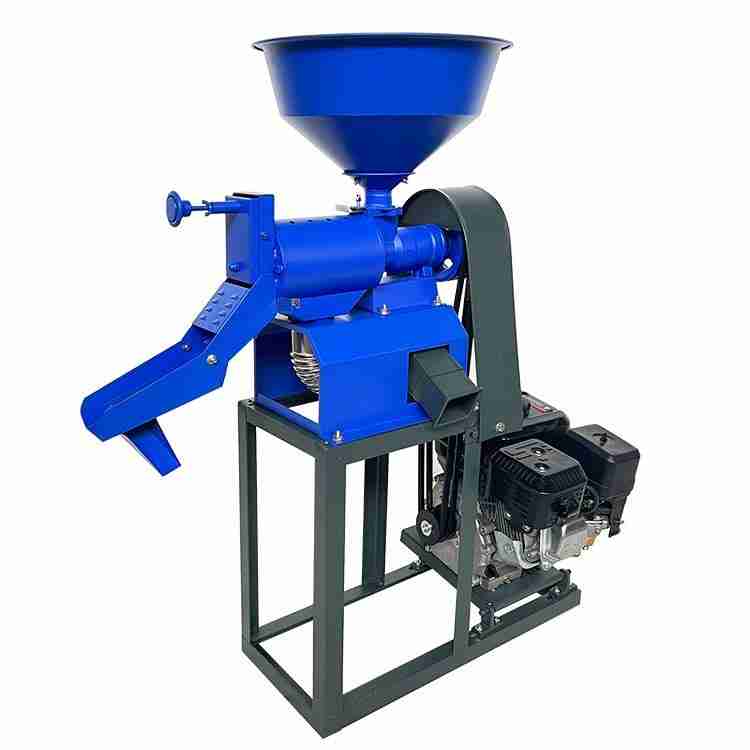
Exploring the Multifunctionality of Mini Rice Mills in Modern Agriculture
In the realm of modern agriculture, mini rice mills are emerging as indispensable tools that offer a wealth of advantages beyond mere rice processing. These compact machines are designed to facilitate small-scale farmers in enhancing their productivity and efficiency. With their advanced technology and improved design, they enable users to streamline various tasks, including:
- Husking: The dual-functionality allows for simultaneous husking and milling, minimizing the time spent on post-harvest processing.
- Polishing: Farmers can achieve high-quality polished rice, enhancing marketability and consumer appeal.
- Versatile Grain Processing: Beyond rice, these mills can handle pulses, grains, and even spices, broadening their utility on the farm.
These machines are not just time-savers; they also promote sustainability in agriculture. By processing grains on-site, farmers reduce transportation costs and minimize carbon footprints, fostering a more eco-friendly farming approach. Furthermore, the ability to produce rice flour, bran, and other by-products creates additional revenue streams. To illustrate the financial benefits of integrating mini rice mills, consider the following table:
| Benefit | Impact |
|---|---|
| Cost Savings | Reduces labor and transportation costs by 30% |
| Quality Improvement | Increases rice quality, boosting market price by 15% |
| Additional Revenue | Generates profit from by-products like rice bran |
Enhancing Grain Quality and Nutritional Value Through Innovative Milling Techniques
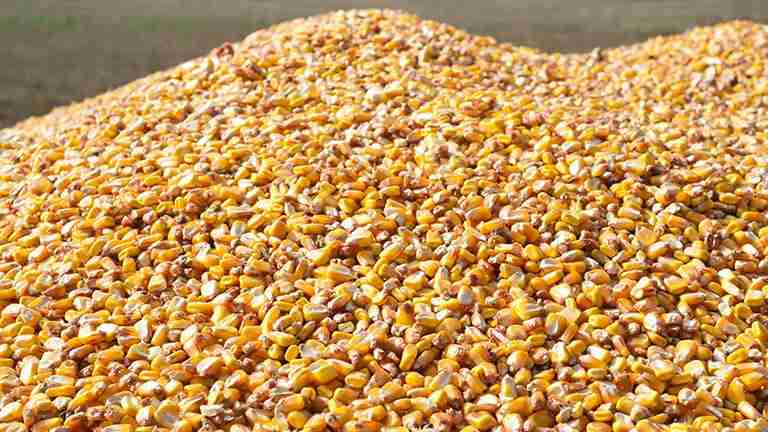
Mini rice mills are at the forefront of transforming grain processing, offering a pathway to not only enhance the quality of rice but also to maximize its nutritional potential. Through innovative milling techniques, these compact machines utilize advanced technology to maintain the integrity of the grain, ensuring that essential nutrients are preserved. By employing methods such as *cold milling* and *multi-pass milling*, these mills can significantly reduce grain breakage and heat exposure, leading to better quality end products. The starches, vitamins, and minerals in the rice are safeguarded, providing a wholesome food source that is both nutritious and appealing to health-conscious consumers.
Moreover, mini rice mills are customizable, allowing millers to adjust settings and techniques based on the specific needs of local markets or consumer preferences. They can produce various grain textures and qualities, catering to diverse culinary uses. Some notable benefits include:
- Increased Nutritional Retention: Minimizes nutrient loss during milling.
- Versatile Product Output: Capable of milling rice into flour, flakes, or semi-polished grains.
- Eco-Friendly Processing: Reduced energy consumption compared to larger mills.
The adoption of mini rice mills also presents an opportunity for smallholder farmers and local entrepreneurs. By processing grains locally, they not only ensure fresher products but also create a more sustainable model for agricultural business. To illustrate the impact of these milling techniques, consider the following comparison of nutritional profiles before and after innovative milling:
| Nutritional Component | Before Milling | After Innovative Milling |
|---|---|---|
| Protein (g) | 7.5 | 8.0 |
| Fiber (g) | 2.0 | 2.5 |
| Iron (mg) | 0.8 | 1.0 |
Cost-Effective Solutions: The Economic Benefits of Investing in Mini Rice Mills
Investing in mini rice mills presents a myriad of economic advantages, particularly for smallholder farmers and local enterprises. These compact machines promote affordable milling options, significantly reducing transportation costs for farmers who would otherwise need to deliver their harvest to distant milling facilities. By keeping the milling process localized, farmers not only save money but also enjoy reduced post-harvest losses, ensuring a greater portion of their crop reaches the market. Additionally, the low initial investment and operational costs associated with these mills make them accessible for many individuals looking to enhance their livelihood through rice production.
Moreover, mini rice mills contribute to job creation and stimulate local economies. Businesses that invest in these technologies can expand their services, offering processing capabilities that meet the needs of their communities. The benefits extend beyond mere cost savings, as mini mills facilitate value-added processing, which can elevate raw rice into higher-value products like rice flour or parboiled rice. Below is a simple illustrative table highlighting some of the financial benefits:
| Benefit | Impact |
|---|---|
| Reduced Transportation Costs | Lower overall expenses for farmers |
| Lower Operational Costs | Higher profit margins for producers |
| Job Creation | Boosts local employment opportunities |
| Enhanced Product Value | Increases income potential for businesses |
Sustainability in Grain Processing: Eco-Friendly Practices in Mini Rice Milling
In the ever-evolving landscape of grain processing, mini rice mills are stepping up to the plate, offering a sustainable way of milling that conserves resources and minimizes waste. These compact machines are designed not just for efficiency but for eco-friendliness, utilizing energy-saving technologies and innovative designs that reduce their carbon footprint. By integrating renewable energy sources, such as solar panels, these mills can operate with less reliance on fossil fuels. Furthermore, by processing rice locally, they help to decrease transportation emissions, supporting the community and the environment simultaneously.
Moreover, the eco-friendly practices associated with mini rice milling extend to waste management and by-product utilization. Farmers and mill operators are increasingly adopting strategies such as:
- Use of husk as biomass fuel: Rice husks, often considered waste, can be repurposed to generate energy, providing a renewable energy source for milling operations.
- Composting by-products: The by-products of milling can be composted, returning nutrients to the soil and promoting sustainable agriculture.
- Water conservation practices: Modern mini mills are designed to minimize water usage during the milling process, which is crucial in areas experiencing water scarcity.
To illustrate the eco-friendly impact of mini rice milling versus traditional methods, consider the following:
| Aspect | Traditional Milling | Mini Rice Milling |
|---|---|---|
| Energy Source | Fossil Fuels | Renewable Energy |
| Waste Generation | High | Minimal |
| Water Usage | High | Low |
By choosing mini rice mills, millers not only embrace a forward-thinking approach but also contribute to a sustainable future for grain processing, revolutionizing both their methods and environmental impact.
To Wrap It Up
In a world where culinary creativity meets sustainable agriculture, mini rice mills stand as beacons of innovation and versatility. As we explored the myriad ways these compact machines revolutionize the processing of grains, it becomes clear that they are not just tools but catalysts for change. By empowering farmers and entrepreneurs alike, mini rice mills pave the way for a more efficient and diverse grain landscape, enhancing food security and economic opportunity.
As we close the chapter on this exploration, it’s important to remember that the journey of grains, from field to table, is as rich and varied as the recipes they inspire. With the continued evolution of technology and an increasing appreciation for local food systems, the future of grain processing is brighter than ever. So, whether you are a farmer, a food enthusiast, or simply curious about how we can better harness nature’s bounty, the innovations surrounding mini rice mills offer an exciting glimpse into what lies ahead. The grains have spoken; it’s time for us to listen and embrace their potential.



