
In the heart of rural communities, where the gentle rustle of rice paddies serenades the morning breeze, lies a transformative force poised to redefine agricultural landscapes: the small rice mill. These unassuming yet impactful enterprises hold the key to unlocking potential—not just for farmers, but for entire communities. As the global demand for sustainable and locally-sourced food sources grows, the advantages of small rice mills stand out, offering a multitude of benefits that ripple far beyond their humble origins. From enhancing food security to empowering local economies, these mills are silent engines of change, driving innovation and resilience in the agrarian economy. Join us as we explore the myriad ways small rice mills are reshaping agricultural practices, fostering community ties, and unlocking the latent potential that lies within every grain.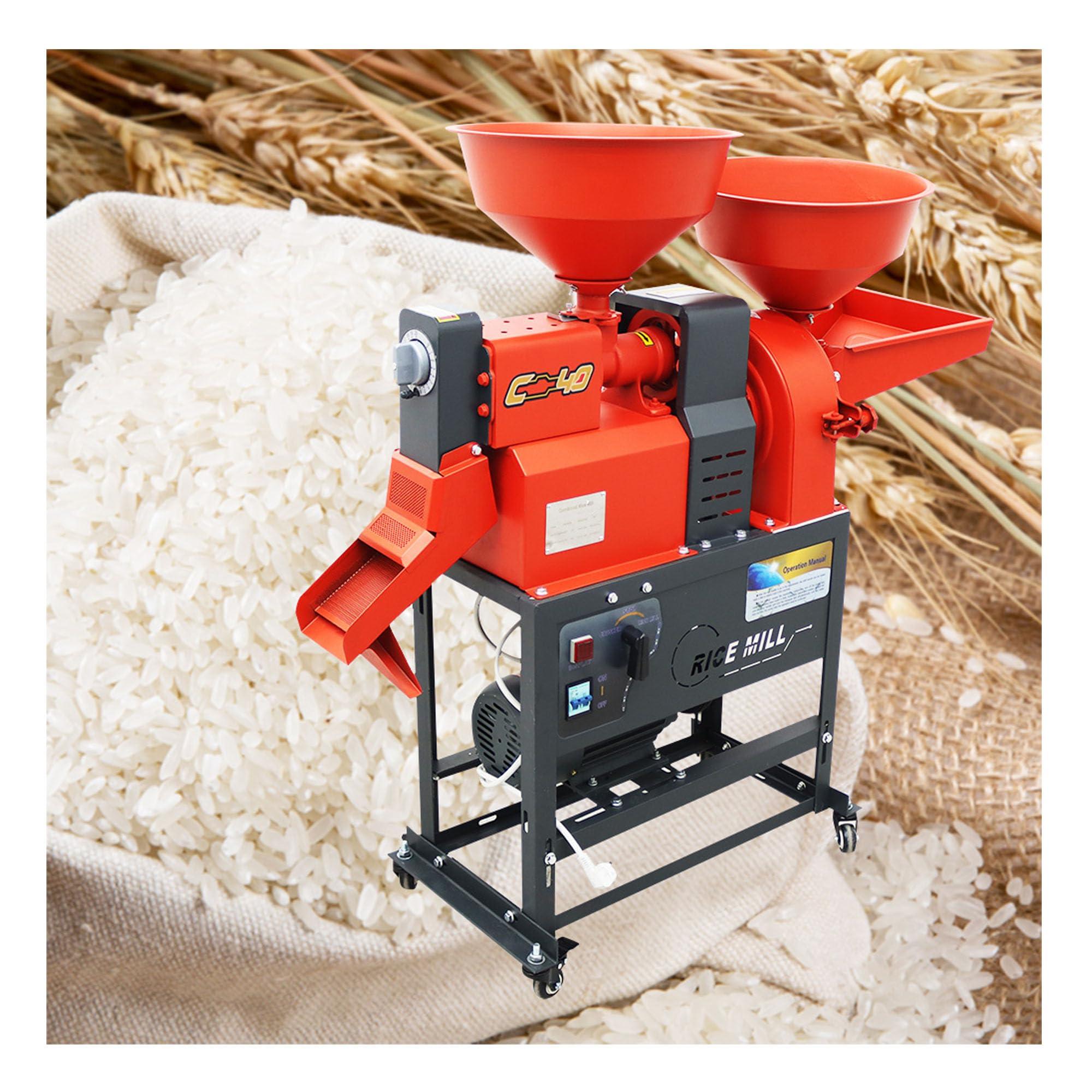
Exploring Small Rice Mills and Their Role in Local Economies
Small rice mills serve as a crucial nexus in rural economies, providing an essential service to local farmers and enhancing the overall livelihood of communities. These mills, often operated by family-owned businesses, promote sustainable farming practices by enabling direct access to milling processes without the need for long travel distances. This localized approach not only reduces costs but also fosters a sense of community as small mill operators often engage with farmers directly. By building relationships, they contribute to a more robust, cooperative agricultural ecosystem.
The benefits extend beyond mere convenience and cost savings. Small rice mills contribute significantly to value addition in local agricultural products, which can lead to an increase in farmer incomes. Some key advantages include:
- Job Creation: Small rice mills often hire local workers, reducing unemployment in the area.
- Empowerment of Women: Many small mills are owned and operated by women, providing them with economic independence.
- Food Security: By processing rice locally, these mills ensure a steady supply of food to communities.
| Factor | Impact |
|---|---|
| Local Employment | Boosts community livelihoods. |
| Local Supply Chains | Reduces cost and environmental impact. |
| Enhanced Quality Control | Improves product quality through local oversight. |

Enhancing Quality Control Through Smaller Operations
In smaller rice mills, the focus on quality control becomes streamlined, allowing for a more personalized approach to production. These enterprises often implement meticulous checks at each stage of the milling process, from cleaning to packaging, ensuring that every grain meets a high standard before it reaches the consumer. The intimacy of smaller operations fosters a culture where quality is not just emphasized but celebrated, leading to superior products that can compete with larger brands. This dedication to excellence translates into benefits that resonate throughout the entire supply chain.
The agility of small rice mills allows for rapid adjustments based on consumer feedback or market demands. Key advantages of this flexibility include:
- Immediate Response to Quality Issues: Problems can be identified and addressed on the spot, reducing the likelihood of larger batches being compromised.
- Customized Product Offerings: Smaller mills can create specialty rice blends or targeted products to cater to niche markets.
- Enhanced Traceability: Each batch can be tracked back to its source, instilling confidence in consumers about the quality of their food.
Moreover, smaller operations can foster direct relationships with local farmers. This collaboration not only ensures a consistent supply of high-quality raw materials but also promotes sustainable agricultural practices. By partnering closely with producers, these mills can negotiate better prices while encouraging practices that improve both yield and grain quality. The end result is a product that reflects a commitment to both quality and community.
| Aspect | Small Rice Mills | Large Rice Mills |
|---|---|---|
| Quality Control | High, personalized checks | Standardized protocols |
| Flexibility | Highly adaptable | Typically rigid |
| Local Engagement | Strong relationships | Limited community focus |
Sustainable Practices and Environmental Benefits of Small Rice Mills
Small rice mills play a crucial role in promoting ecological sustainability in agriculture. By utilizing local resources, they significantly reduce the carbon footprint associated with transportation. This localized approach not only minimizes greenhouse gas emissions but also supports the economy of rural communities. Furthermore, small-scale operations often embrace traditional methods that are less reliant on chemical inputs, safeguarding soil health and preserving biodiversity in the surrounding areas.
Among the heartening environmental benefits of these aspiring mills are their ingenious waste management practices. The by-products generated, such as rice husk and bran, are transformed into biomass fuel or organic fertilizers, effectively creating a circular economy within the farming ecosystem. This reduces waste and encourages resource reuse. Some small mills even implement water conservation techniques, such as water recycling systems, to lessen their environmental impact. Thus, small rice mills emerge not just as food producers but as stewards of the environment, fostering a sustainable agricultural landscape.
Strategies for Maximizing Efficiency and Profitability in Local Mills
To enhance operational efficiency at local mills, it’s crucial for owners to adopt processes that streamline production while minimizing waste. Implementing automation technologies can significantly reduce labor costs and increase output. For instance, utilizing automated weighing and packaging systems not only speeds up the workflow but also ensures precision in measurements, which minimizes losses during the milling process. Additionally, cultivating a culture of continuous improvement can empower employees to identify inefficiencies and contribute ideas, fostering an environment where innovation thrives.
Moreover, maintaining strong relationships with local farmers and suppliers can lead to more favorable terms and consistent quality control, which are vital for achieving profitability. Setting up a system for regular feedback can improve the quality of the supplied rice and strengthen trust. Consider adopting the following strategies to bolster success:
- Regular maintenance schedules for machinery to prevent downtime.
- Investing in training programs that enhance workers’ skills and increase versatility.
- Exploring alternative markets for by-products, such as rice husks and bran, which can be used for animal feed or sold to energy producers.
| Strategy | Description | Expected Outcome |
|---|---|---|
| Process Optimization | Streamline milling processes to reduce handling and waste. | Increased throughput and lower production costs. |
| Quality Control Partnerships | Collaborate with farmers for consistent raw material quality. | Higher quality product leading to better market prices. |
| Employee Training | Invest in skill development training for staff. | Enhanced productivity and employee retention. |
Insights and Conclusions
the journey into the world of small rice mills reveals more than just a method of grain processing; it uncovers a pathway to empowerment, sustainability, and nutritional enrichment for communities both urban and rural. By embracing the advantages of these compact mills, we not only enhance agricultural efficiency but also foster economic resilience and self-sufficiency among local farmers. The story of small rice mills is a testament to how innovation at a grassroots level can unlock potential that benefits us all. As we look ahead, investing in these vital infrastructures could be the key to nurturing a healthier future—one grain at a time. So, let us continue to explore, support, and champion the small rice mills that are quietly transforming the agricultural landscape around us.



