
Transforming Fields to Forks: Inside a Paddy Processing Factory
In the quiet rhythm of rural landscapes, where verdant rice paddies stretch towards the horizon, a remarkable transformation unfolds that bridges the gap between agricultural labor and culinary delight. As the sun rises over dew-kissed fields, farmers toil to nurture their crops, sowing the seeds of sustenance. Yet, the journey from these sunlit fields to our dining tables is a complex tapestry woven through skill, innovation, and tradition. Enter the paddy processing factory, a vital nexus where raw potential is meticulously converted into the staple that graces plates across the globe. In this article, we will peel back the layers of this intricate process, exploring the machinery, techniques, and human stories that drive the transformation of paddy into polished grain. Join us as we journey into the heart of a factory, where each grain tells a story of dedication and craft, shaping not just meals, but also livelihoods and cultures worldwide.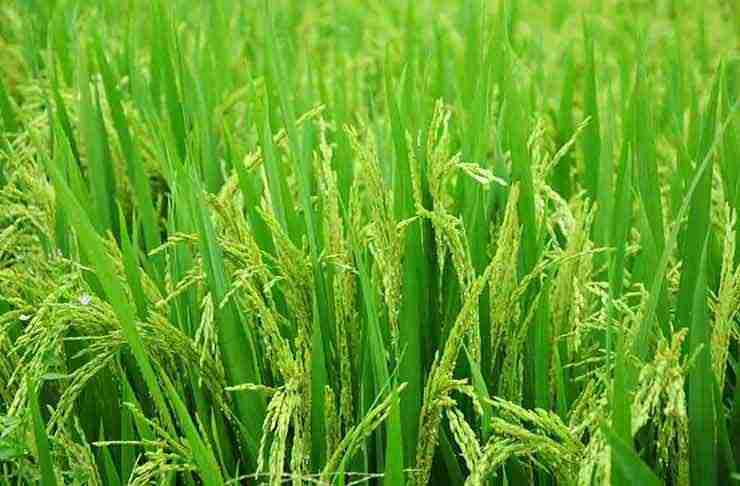
Exploring the Journey from Paddy to Rice: A Step-by-Step Overview
In the heart of the processing factory, the journey of paddy transforms into rice through a meticulously orchestrated series of steps. First, the freshly harvested paddy arrives in large, jute sacks, its golden grains still encased in their protective husks. Here, workers begin by conducting a thorough assessment of the paddy quality, ensuring only the best grains proceed to the next phase. The initial cleaning steps involve removing impurities such as stones, dirt, and unwanted plant materials, preparing the paddy for a delicate yet intricate process.
The next milestone in this journey is the hulling process. This is where the husk is removed, revealing the brown rice beneath. Using modern machinery, the paddy is propelled through a series of hulling machines that extract the husk while preserving the nutritional integrity of the grain. Following this, the brown rice undergoes polishing — a gentle procedure that further refines the rice, stripping away the bran layer and revealing the shiny, white rice we are accustomed to. Additional steps include polishing, grading, and packaging to ensure that the final product meets stringent quality standards before it heads out to supermarkets and kitchens. Here’s a quick overview of this transformative process:
| Process Stage | Description |
|---|---|
| Harvesting | Collection of mature paddy from fields |
| Cleaning | Removal of impurities and foreign materials |
| Hulling | Separating husk from the brown rice |
| Polishing | Smoothing the surface of brown rice |
| Grading | Categorizing rice based on size and quality |
| Packaging | Preparing rice for distribution to markets |

Innovations in Paddy Processing: Technology Enhancing Quality and Efficiency
In the heart of modern paddy processing factories, technological advancements are revolutionizing the way rice is harvested, processed, and packaged, ultimately leading to higher quality and efficiency. Today, precision farming techniques allow farmers to monitor crop growth with unparalleled accuracy using sensors and satellite imagery, ensuring optimal harvesting times. Once harvested, automated systems facilitate the quick and efficient transfer of paddy to processing facilities, minimizing damage and preserving quality. Enhanced milling technologies, such as infrared and laser sorters, are now commonplace, making it possible to separate impurities from grains with impressive accuracy while maintaining the vital nutritional aspects of the rice.
The integration of digital tracking systems further optimizes the paddy processing workflow, providing real-time analytics that assist in decision-making and resource allocation. These systems can monitor everything from moisture levels to storage conditions, ensuring that all parameters are within safe limits. Additionally, packaging innovations, such as vacuum sealing and modified atmosphere packaging, enhance the shelf life and freshness of the rice, allowing consumers to enjoy the product at its best. As we delve deeper into this technological renaissance, the transformation in quality and efficiency continues to set new standards within the agricultural industry.
Sustainable Practices in Rice Production: Balancing Yield and Environmental Impact
As global demand for rice continues to rise, farmers are turning to innovative and sustainable practices to maintain high yields while minimizing environmental impacts. Techniques such as integrated pest management and crop rotation are becoming standard, allowing growers to combat pests without relying solely on chemical pesticides. Additionally, the use of water-saving irrigation systems can significantly reduce water consumption in paddy fields, showcasing a commitment to resource efficiency. By implementing these methods, farmers not only ensure the sustainability of their crops but also enhance the health of the surrounding ecosystems.
Moreover, the processing aspect of rice plays a pivotal role in sustainability. Factories are now utilizing green technologies, such as bioenergy generation from rice husks and by-products, transforming waste into a valuable energy source. This not only reduces the carbon footprint of processing but also promotes a circular economy within the industry. To further illustrate these advancements, consider the following table that outlines traditional versus sustainable practices in rice processing:
| Traditional Practices | Sustainable Practices |
|---|---|
| Heavy chemical fertilizer usage | Organic fertilizers and composting |
| High water consumption | Drip irrigation and rainwater harvesting |
| Excessive waste generation | Recycling by-products for energy |
Through ongoing research and dedication to sustainable agriculture, the rice industry is making strides toward a greener future. By balancing yield with environmental responsibility, paddy processors are contributing to food security while nurturing the planet’s well-being.
Future Trends in Paddy Processing: Adapting to Market Demands and Consumer Preferences
The landscape of paddy processing is rapidly evolving, driven by the need to meet changing consumer preferences and market demands. With a growing focus on sustainability, factories are increasingly adopting eco-friendly methods, such as solar energy and water recycling systems. Furthermore, technological innovations like automation and artificial intelligence are streamlining operations, enhancing efficiency, and reducing waste. These advancements not only improve productivity but also contribute to the quality of the end product, catering to the discerning palates of health-conscious consumers.
As nutritional awareness heightens among customers, the processing industry is shifting its focus on producing value-added products. The trend leans towards specialty rice varieties that are enriched with vitamins and minerals, appealing to health-oriented markets. In response to the surge in demand for convenience, ready-to-cook rice and rice-based snacks are gaining traction. To adapt effectively to these trends, paddy processors are investing in advanced packaging solutions that preserve freshness and extend shelf life, while also engaging in research to better understand consumer insights and preferences. This agile approach not only caters to existing market needs but also fosters innovation in product offerings.
Insights and Conclusions
As we conclude our journey through the intricate processes that turn golden grains from lush, sun-soaked paddy fields into the essential ingredient gracing our tables, it becomes clear that the path from field to fork is not merely a transition of commodities, but a testament to human ingenuity and agricultural dedication. The paddy processing factory stands as a nexus of tradition and technology, where old world practices harmonize with modern innovation, ensuring that every kernel retains its quality and nutrition.
From the initial harvesting to the final packaging, we have explored the meticulous steps taken to preserve the integrity of the rice, reflecting the hard work of countless farmers and factory workers alike. This behind-the-scenes glimpse into the processing journey highlights the importance of sustainable practices, efficient methods, and an unwavering commitment to excellence.
As consumers, it is essential to remember the story behind each grain we consume — a story of connection, culture, and careful craftsmanship. The next time you sit down for a meal, take a moment to appreciate not just the food on your plate, but the global journey it undertook to reach you. In a world that often prioritizes speed over sustainability, let us celebrate those who transform fields into forks, ensuring that our meals are made with care and respect for the environment. In this cycle of nourishment, we are all connected, from the fields of rice to our family tables.



