
Unlocking the Secrets of Rice Polishers: A Culinary Essential
In kitchens around the world, the humble grain of rice often takes center stage, serving as a staple in countless cuisines. Yet, the preparation of this seemingly simple ingredient can be an art form in itself, one that is enhanced by an often-overlooked tool: the rice polisher. As culinary enthusiasts dive deeper into the world of grains, the rice polisher emerges as a secret weapon, unlocking the potential of rice by refining its texture and enhancing its flavor profile. This article seeks to explore the intricate relationship between rice and its polishers, shedding light on the history, mechanics, and culinary significance of these devices. Whether you are a seasoned chef or an aspiring home cook, understanding the subtle nuances of rice polishing can transform your culinary creations and elevate your dining experience. Join us as we delve into the world of rice polishers, revealing the secrets that lie within and the profound impact they have on one of the world’s most beloved foods.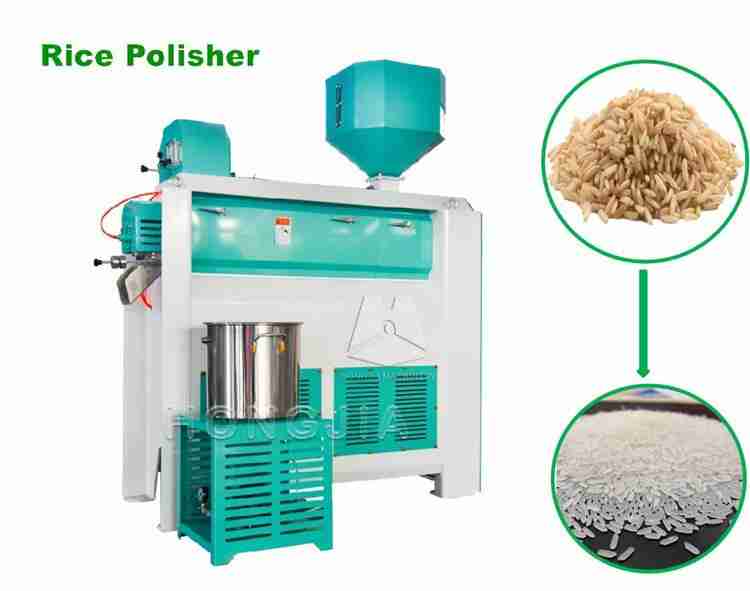
Exploring the Mechanics of Rice Polishers and Their Culinary Importance
The mechanics of rice polishers play a crucial role in transforming raw grains into the fluffy staple that graces tables around the world. These machines utilize a series of abrasives and gentle friction to remove the outer husk and bran layers of rice, revealing the white, starchy core that is revered in various culinary traditions. Through this process, the polishers not only enhance the visual appeal of rice but also increase its shelf life, making it a practical choice for both home cooks and large-scale food production. Understanding how these machines work reveals the trade-offs between different types of rice: while white rice is more palatable and has a longer storage potential, brown rice retains more nutrients due to its intact bran layer, leading to a deeper exploration of consumer choices in culinary contexts.
The culinary importance of rice polishers extends beyond mere aesthetics; they significantly influence the flavor, texture, and nutritional content of the rice we consume. For instance, polished rice often cooks faster and has a lighter texture, making it ideal for dishes like sushi or risotto. Conversely, less polished options provide a nutty flavor and chewy texture, perfect for grain bowls or salads. Here’s a quick comparison of different rice types based on their polishing and culinary uses:
| Rice Type | Polishing Level | Culinary Uses |
|---|---|---|
| White Rice | Highly Polished | Sushi, Pilaf |
| Brown Rice | Minimal Polishing | Salads, Grain Bowls |
| Jasmine Rice | Moderately Polished | Curry Dishes, Stir-fry |
| Basmati Rice | Moderate to High | Pulav, Biriyani |
Ultimately, while flavor and texture are primary considerations, the implications of rice polishing on nutrition and health consciousness are becoming increasingly relevant. Selecting the appropriate rice based on its polishing level can enhance both the taste and the health benefits of meals, encouraging a broader discussion about the choices we make in our kitchens. As culinary practices continue to evolve, understanding the mechanics of rice polishers will serve as a bridge between tradition and modernity, guiding both chefs and home cooks in their culinary adventures.
The Impact of Rice Quality on Flavor and Nutrition
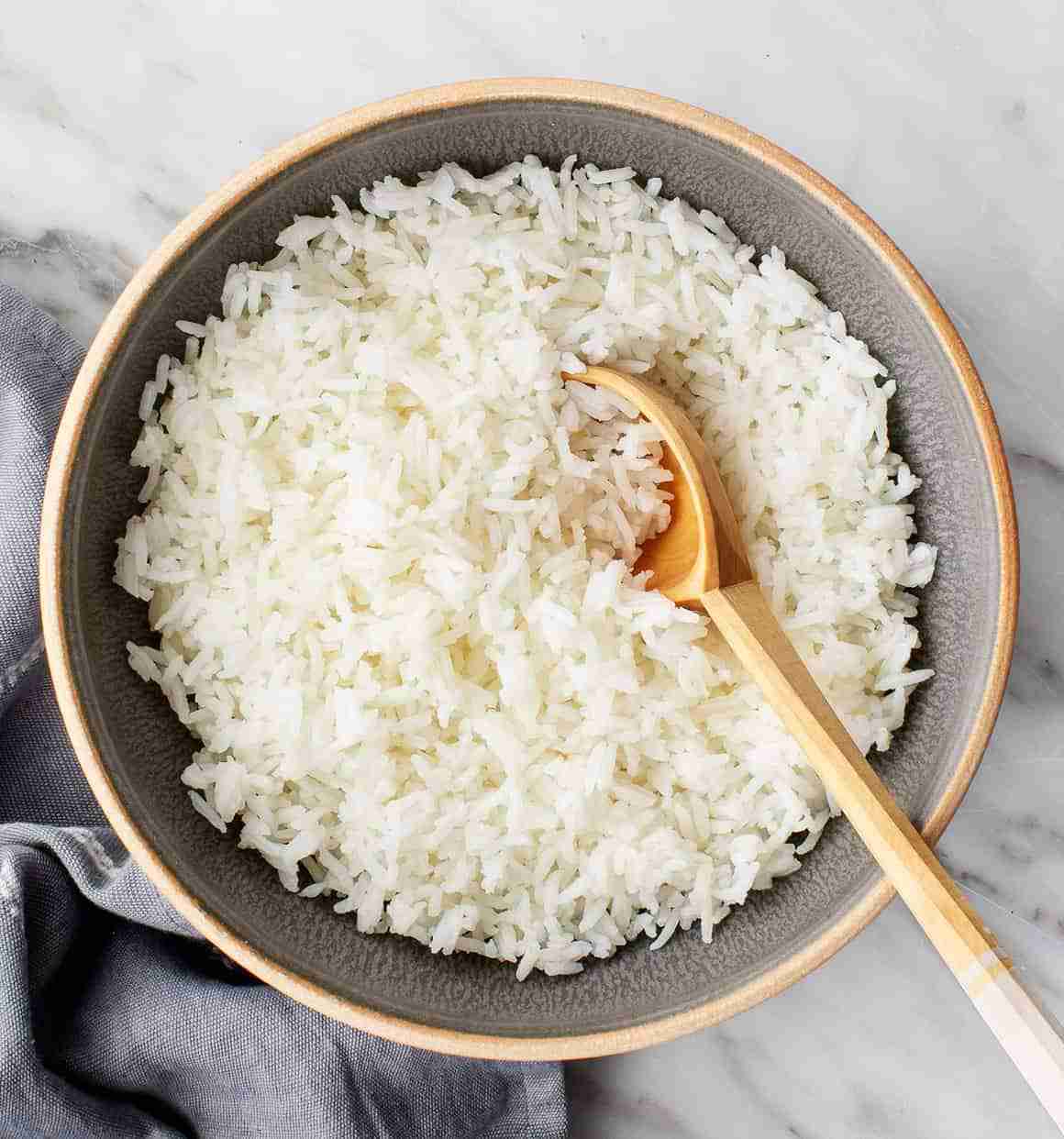
The quality of rice significantly influences both its flavor and nutritional value, and a closer look at its polishing process reveals much about the end product. High-quality rice, often marked by a glossy appearance, typically undergoes a gentle polishing that preserves essential nutrients and enhances flavor. Unlike overly polished rice, which can lose its bran layer and vitamins, the right balance ensures that you retain key nutrients such as B vitamins, iron, and dietary fiber, contributing to a more wholesome meal. This meticulous approach not only enhances taste but also supports health, making it imperative for chefs and home cooks alike to understand the differences in rice polishing.
When considering rice for culinary uses, it’s vital to note how polishing affects various rice types. Consider the following attributes:
- Texture: Well-polished rice exhibits a tender texture that absorbs flavors from accompanying dishes more effectively.
- Flavor Profile: The degree of polishing can bring out nutty undertones, particularly in varieties like jasmine or basmati.
- Nutritional Value: Less polished rice retains more layers of bran, which are rich in antioxidants and essential nutrients.
To illustrate , the table below highlights the key differences among common rice varieties based on their level of polishing:
| Rice Type | Polishing Level | Flavor Notes | Nutritional Aspects |
|---|---|---|---|
| Jasmine Rice | Lightly Polished | Floral and Nutty | Rich in B vitamins |
| Basmati Rice | Medium Polished | Earthy and Aromatic | High in fiber |
| Brown Rice | Minimally Polished | Nutty and Chewy | Loaded with antioxidants |
Choosing the Right Rice Polisher for Your Kitchen Needs
When selecting a rice polisher for your kitchen, it’s essential to consider several factors that contribute to both functionality and efficiency. First and foremost, determine the capacity you need. Polisher sizes vary from compact models ideal for small households to larger units designed for restaurants or meal prep aficionados. Consider the following key aspects:
- Durability: Look for models made from high-quality materials that can withstand daily use.
- Ease of Use: Controls should be intuitive, allowing for seamless operation.
- Maintenance: Some machines require more upkeep, so select a polisher that aligns with your desired level of commitment.
- Price Point: While higher-priced models often offer better features, be sure to find a balance between cost and functionality.
Additionally, pay attention to the technology integrated into the polisher. Many modern polisher models incorporate advanced features that enhance the rice polishing process. Look for options that offer:
| Feature | Description |
|---|---|
| Automatic Shut-off | Prevents over-polishing and conserves energy. |
| Adjustable Settings | Allows for customization based on rice type. |
| Non-stick Interior | Makes for easier cleaning after use. |
Choosing wisely will not only enhance your rice cooking experience but also help you appreciate the nuances of various rice types. With an informed decision, your new rice polisher will soon become a beloved kitchen companion, elevating your culinary endeavors to new heights.
Maintaining Your Rice Polisher for Longevity and Performance
To ensure your rice polisher remains in prime working condition, it’s crucial to embrace a holistic maintenance routine. Begin with regular cleaning after each use to prevent residue buildup, which can affect the flavor and quality of your rice. Here are some key practices:
- Wipe the Exterior: Use a damp cloth to clean the exterior surfaces, removing dust and grime.
- Check the Inner Components: Inspect the milling stones and polishing chambers for any signs of wear or residue.
- Lubricate Moving Parts: Apply food-safe lubricant to ensure all mechanical parts operate smoothly.
Equally important is understanding the operational aspects that can affect the longevity of your rice polisher. Temperature and humidity play significant roles in its performance. To optimize conditions, consider the following:
| Condition | Optimal Range | Action to Maintain |
|---|---|---|
| Temperature | 50°F to 90°F | Store in a climate-controlled area |
| Humidity | 30% to 50% | Use dehumidifiers as necessary |
By following these simple guidelines, you can extend the lifespan of your rice polisher, ensuring it consistently delivers perfectly polished grains while enhancing your culinary experiences.
Final Thoughts
As we conclude our exploration of rice polishers, it becomes evident that these unassuming tools are far more than mere kitchen gadgets; they are gateways to a deeper understanding of culinary traditions and practices. From the gentle whir of the machine to the satisfying texture of freshly polished grains, rice polishers embody the age-old art of rice preparation while elevating the experience of cooking and savoring this staple food.
By integrating a rice polisher into your kitchen routine, you embrace not only convenience but also the vibrant flavors and nutritional benefits that come from freshly milled rice. With each grain you polish, you unlock a world of culinary potential, bridging the gap between heritage and innovation.
So, whether you are an ardent home cook or simply a rice enthusiast, consider adding a rice polisher to your culinary arsenal. In doing so, you’ll not only enhance your meals but also connect with a rich tapestry of history, culture, and gastronomic adventure. Let the journey of unlocking these secrets propel your culinary skills forward, one polished grain at a time. Happy cooking!



