
Unlocking Quality: Inside the Parboiled Rice Processing Plant
Rice is more than just a staple food; it’s a cultural cornerstone for billions of people worldwide. Among the myriad varieties of this humble grain, parboiled rice stands out for its rich nutritional profile and versatility in culinary applications. Yet, the journey from paddy field to plate is intricate and often overlooked. Inside the bustling corridors of a parboiled rice processing plant, a transformation occurs—one marked by careful innovation, precision, and a dedication to quality. This article invites you to step beyond the packaging and explore the meticulous processes that enhance raw rice into a product that not only retains essential nutrients but also boasts improved flavor and texture. Join us as we unlock the secrets of this fascinating industry and discover the artistry behind every grain of parboiled rice.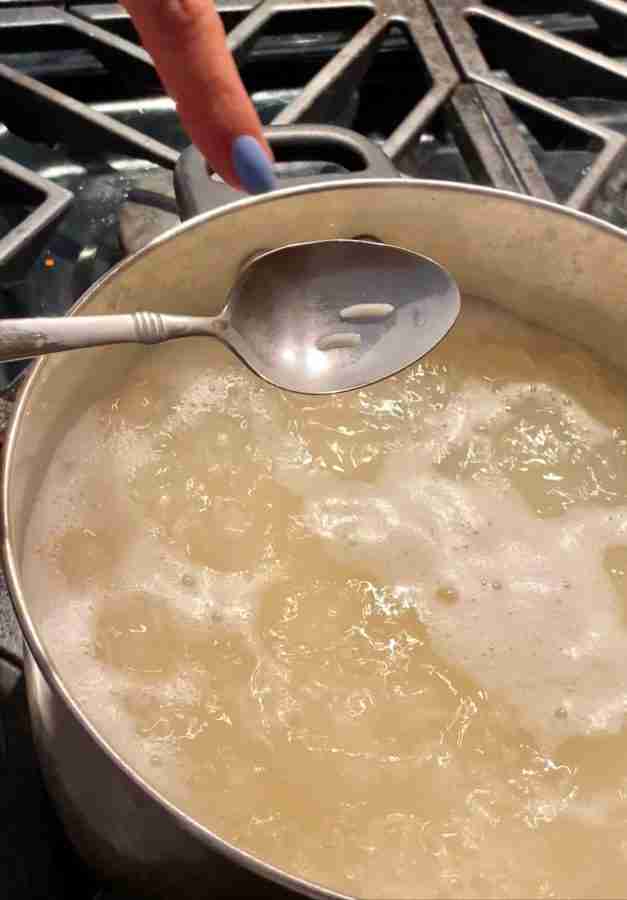
Exploring the Parboiling Process: Techniques to Enhance Nutritional Value
Parboiling is a transformative technique that not only improves the texture but also enhances the nutritional profile of rice. Through a meticulous steaming process, nutrients typically lost during traditional refining methods are preserved. This method results in a grain that retains more vitamins and minerals, making it a healthier option for everyday meals. The steps involved in parboiling include soaking, steaming, and then drying the rice, each step critical to achieving optimal results. Key benefits of parboiling rice include:
- Greater Nutrient Retention: Vitamins such as B1, B3, and minerals like iron are better preserved.
- Improved Cooking Quality: Parboiled rice tends to be less sticky and has a fluffier texture.
- Extended Shelf Life: The drying process reduces moisture content, preventing spoilage.
In modern processing facilities, the parboiling setup often utilizes sophisticated technology to monitor and control the process. This ensures that the rice undergoes optimal soaking and steaming to enhance nutrient assimilation effectively. For instance, rice is typically soaked for up to 24 hours before being subjected to high-pressure steam, which pushes nutrients from the husk into the grain. The following table summarizes the physiological changes that occur during parboiling:
| Step | Physiological Change |
|---|---|
| Soaking | Water absorption increases, initiating nutrient transfer. |
| Steaming | Nutrients migrate from the outer bran layers into the endosperm. |
| Drying | Moisture is reduced, increasing shelf stability and reducing rancidity. |
Quality Control Measures: Ensuring Consistency in Every Grain
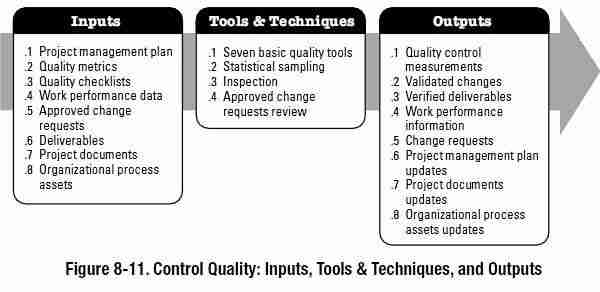
Within the bustling environment of the parboiled rice processing plant, a variety of measures converge to uphold the integrity of every single grain. The heart of the operation lies in a comprehensive quality control strategy that encompasses every stage, from initial sourcing to final packaging. Key components of this strategy include:
- Raw Material Inspection: Thorough assessments of incoming rice batches to ensure that only premium grains start the processing journey.
- Environmental Monitoring: Regular checks on moisture levels and temperature in storage areas to prevent spoilage.
- In-Process Testing: Frequent sampling during various production phases, including soaking, steaming, and drying to ensure adherence to quality standards.
- Finished Product Evaluation: Rigorous scrutiny of final batches, including taste tests and visual inspections, guaranteeing that only the best products reach consumers.
To facilitate transparency and maintain high standards, the plant incorporates advanced technology and well-defined protocols, systematically documented in a quality control log. This log helps track metrics such as moisture content, dimensions, and texture. The following table illustrates sample quality parameters monitored during processing:
| Quality Parameter | Desired Value | Measured Value | Status |
|---|---|---|---|
| Moisture Content | 12-14% | 13.5% | Pass |
| Grain Length | 6-7mm | 6.5mm | Pass |
| Color Uniformity | White | White | Pass |
These aspects of quality control not only reinforce the brand’s commitment to excellence but also build trust with consumers looking for consistent quality in parboiled rice. With meticulous attention to detail, every step ensures a product that not only meets but exceeds expectations.
Technology in Transformation: Innovations Shaping the Future of Rice Processing
In the realm of rice processing, technology has ushered in a new era of efficiency and quality enhancement. Modern parboiled rice processing plants have adopted cutting-edge innovations that not only streamline operations but also elevate the nutritional profile and appearance of rice. Key advancements include:
- Automated Sorting Systems: Utilizing AI and machine learning, these systems ensure that only the highest quality grains make it to the final product.
- Steam Pre-conditioning Technology: This method optimizes the gelatinization of starches, enhancing both flavor and consistency during cooking.
- Eco-Friendly Drying Technologies: Advanced drying techniques reduce energy consumption while preserving the vital nutrients in the grains.
Moreover, the integration of IoT (Internet of Things) devices has transformed monitoring and control processes within the plant. Real-time data analytics allows plant operators to track every stage of production, ensuring compliance with quality standards and minimizing waste. The benefits extend beyond efficiency, promoting sustainability in rice processing. A comparative overview of traditional versus modern processing methods highlights these advancements:
| Aspect | Traditional Methods | Modern Innovations |
|---|---|---|
| Energy Consumption | High | Optimized |
| Nutrient Retention | Limited | Enhanced |
| Quality Control | Manual | Automated |
Sustainability Practices: Balancing Production Efficiency and Environmental Responsibility
In modern rice processing, the juxtaposition of production efficiency with environmental stewardship has become paramount. Facilities are now integrating innovative technologies to minimize waste and energy consumption while maximizing output. For instance, energy-efficient machines reduce power usage during milling, while advancements in water reclamation systems recapture and recycle water used in the parboiling process. This holistic approach not only enhances productivity but also lessens the facility’s carbon footprint.
Moreover, suppliers and producers are increasingly turning to sustainable sourcing practices. They are establishing partnerships with local farmers who employ eco-friendly cultivation techniques, thereby reducing transportation emissions and supporting community economies. By implementing a life cycle assessment (LCA) approach, processors can track environmental impacts from seed to shelf, ensuring a more sustainable product. Here’s a glimpse of some key sustainability initiatives:
| Initiative | Description |
|---|---|
| Waste to Energy | Conversion of by-products into renewable energy sources. |
| Water Management | Systems for recycling and conserving water throughout processing. |
| Organic Inputs | Utilization of organic fertilizers and pest control methods. |
Final Thoughts
As we draw the curtain on our exploration of the parboiled rice processing plant, it becomes evident that this facility is more than just a hub of machinery and labor; it is a testament to innovation and quality in food production. The meticulous processes—steaming, drying, and milling—transform raw grains into a staple that nourishes millions across the globe.
In the world of rice, where quality is paramount, the journey from field to fork is paved with careful attention to detail and a commitment to excellence. Here, science and tradition intertwine, ensuring that every grain retains its nutritional promise and culinary versatility.
As consumers, we are reminded of the intricate systems behind our daily meals, prompting us to appreciate the artistry and effort embedded in each bite. With an ongoing focus on sustainability and efficiency, the parboiled rice processing plant stands at the forefront of modern agriculture, inviting us to consider the future of food production.
In celebrating this vital link in the food supply chain, we not only unlock the secrets of superior rice but also vote for conscientious choices that foster a healthier planet. Thus, as we conclude our journey inside these walls, let us carry forward the knowledge of the craft and care that define quality in every grain, making each meal a testament to our shared commitment to better food for all.



