
In the hushed expanse of sprawling rice fields, where emerald stalks sway gently in the breeze, the journey of this humble grain begins. Yet, the story of rice does not end upon harvest; it springs to life anew within the bustling confines of rice processing plants. Here, amid the whir of machinery and the rhythmic clatter of automated systems, raw grains undergo a remarkable transformation. From paddy to polished rice, each phase reveals the intricate dance of technology and tradition, showcasing the remarkable processes that elevate a staple food to a culinary cornerstone of cultures around the globe. In this exploration of rice processing, we delve into the heart of these facilities—unpacking not only the methods and machinery that refine each grain, but also the environmental and economic implications that ripple outwards from these centers of production. Join us as we venture into the world of rice processing, where every grain tells a story of innovation and heritage.
Exploring the Journey from Harvest to Home: Understanding Rice Processing Techniques
From the moment rice is harvested, a meticulous journey begins that transforms raw grains into the polished product found in kitchens around the globe. The first crucial step in this transformation is threshing, where harvested rice stalks are mechanically separated from the ears of grain. This process delivers the brown rice, which is then thoroughly cleaned to remove impurities and unwanted particles. Following this initial stage, the rice undergoes milling, which includes hulling and whitening. Hulling removes the tough outer husk, while whitening polishes the grain, enhancing its appearance and texture for consumer appeal.
Within the processing plants, one can discover an intricate assembly of advanced machinery and traditional techniques working harmoniously. The parboiling method is frequently employed to enhance nutritional value, where rice is soaked, steamed, and dried prior to milling. A pivotal aspect of this journey is the meticulous grading and sorting, which ensures consistency in quality. The final stages involve packaging the processed rice in various forms, catering to different cooking preferences and markets. Ultimately, this journey not only transforms rice into staple food but also weaves together the thread of tradition and technology, creating a seamless pathway from harvest to table.
| Processing Stage | Description |
|---|---|
| Threshing | Separation of grain from husks. |
| Milling | Cleans and polishes grains. |
| Parboiling | Enhances nutrition and texture. |
| Grading | Sorting rice by quality and size. |
| Packaging | Prepared for distribution and sale. |
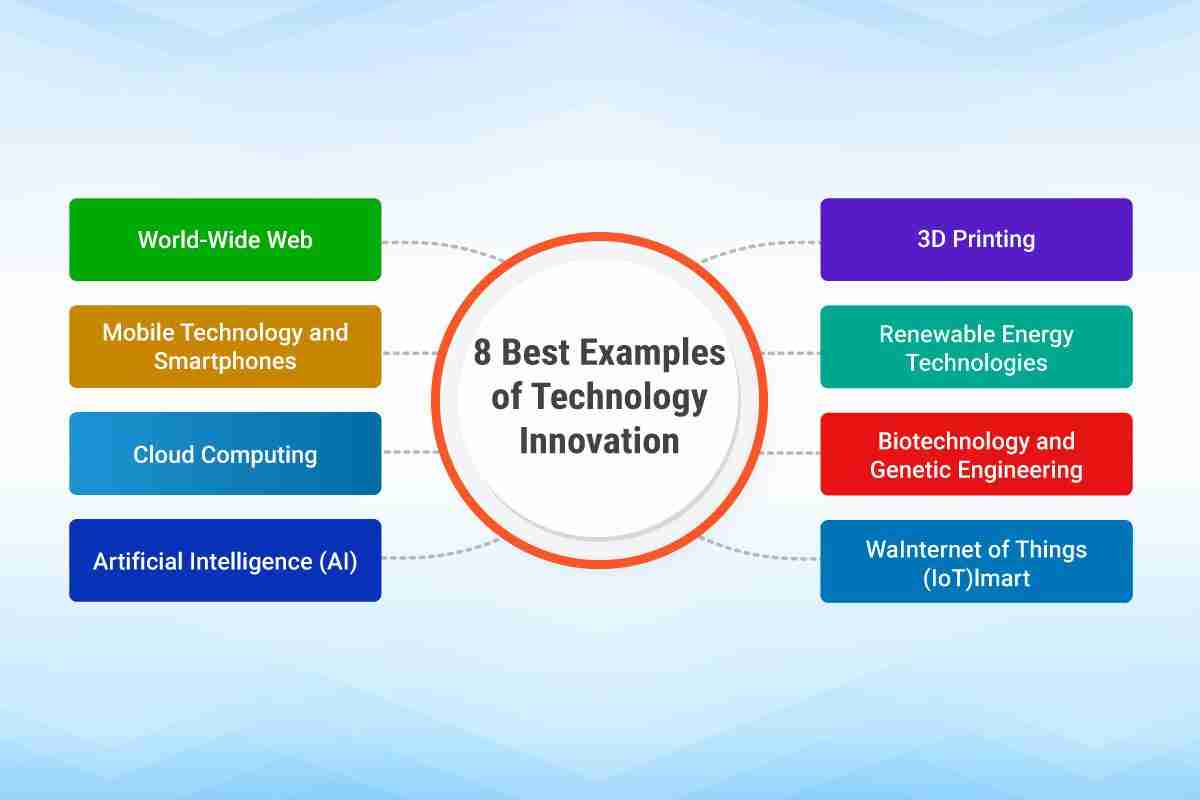
Innovative Technologies Revolutionizing Grain Transformation
The transformation of grains, particularly rice, has experienced a paradigm shift with the advent of cutting-edge technologies that enhance efficiency and quality. Automated sorting systems utilize machine vision to detect imperfections in grains, ensuring that only the highest quality rice makes it through the processing line. Additionally, advanced milling techniques reduce breakage while enhancing yield, allowing processors to maximize their output without compromising on quality. Furthermore, the incorporation of smart sensors in storage facilities monitors humidity and temperature, preventing spoilage and preserving the integrity of the grains. Together, these innovations create a seamless processing experience that meets global demand.
Moreover, the implementation of artificial intelligence (AI) and data analytics in grain processing offers unprecedented insights into operational efficiency. By analyzing vast amounts of data, processors can predict maintenance needs, optimize workflows, and reduce waste significantly. Some plants have even begun using blockchain technology to enhance traceability, allowing consumers to verify the quality and origin of their rice, thus building trust and transparency in the supply chain. With the integration of these transformative technologies, the rice processing industry is not only evolving to meet current demands but is also paving the way for sustainable practices that future-proof grain transformation.
| Technology | Benefits |
|---|---|
| Machine Vision | Enhanced sorting precision |
| AI & Data Analytics | Operational optimization |
| Smart Sensors | Improved grain storage conditions |
| Blockchain | Traceability and transparency |
Quality Control Practices for Premium Rice Production
In the journey from field to table, the adherence to exemplary quality control practices plays a pivotal role in elevating rice production to a premium standard. Every batch of rice undergoes meticulous scrutiny at multiple stages of processing. This begins with rigorous testing of raw grains, where physical inspections and laboratory analyses assess moisture content, impurities, and overall grain quality. As rice moves through the processing plant, checks are routinely conducted to ensure that the equipment is calibrated correctly and that products meet predetermined specifications.
- Sorting: Innovative technologies, such as laser sorting, are employed to accurately remove defective grains and ensure uniformity.
- Hulling: Careful monitoring of the hulling process prevents excessive breakage and preserves the integrity of each grain.
- Polishing: This step enhances appearance and texture, while also necessitating stringent control over temperature and duration to avoid nutrient loss.
- Packaging: Final inspection of packaging safeguards against contamination and ensures clear labeling for consumers.
| Quality Indicator | Acceptable Range |
|---|---|
| Moisture Content | 12% - 14% |
| Broken Grain Percentage | < 5% |
| Purity Level | > 99% |
By employing these meticulous quality control techniques, rice processing facilities not only maintain high standards but also contribute to the sustainability of the rice supply chain. Ensuring that premium rice is consistently produced requires a commitment to continuous improvement and innovation, allowing producers to respond adeptly to evolving market demands while satisfying the discerning tastes of consumers.
Sustainability in Rice Processing: Strategies for an Eco-Friendly Future
As the global demand for rice continues to rise, the need for sustainable practices within rice processing plants becomes increasingly crucial. Implementing eco-friendly strategies not only helps preserve the environment but also enhances the overall efficiency of operations. Some effective approaches include:
- Waste Minimization: Utilizing by-products like husks and bran for bioenergy production reduces waste and promotes energy independence.
- Water Management: Employing advanced irrigation techniques and recycling wastewater can significantly decrease water consumption.
- Renewable Energy Sources: Transitioning to solar panels and biomass energy can lessen reliance on fossil fuels and lower carbon footprints.
In addition to these strategies, transparency and community engagement are essential for fostering trust and collaboration among stakeholders. Processing plants can conduct regular sustainability audits and share results with local farmers and communities, creating an atmosphere of accountability. Below is a simple overview of the potential benefits of adopting sustainable practices:
| Benefit | Description |
|---|---|
| Cost Savings | Lower operational costs through reduced energy and water use. |
| Enhanced Reputation | Attraction of socially conscious consumers and investors. |
| Increased Resilience | Better adaptability to regulatory changes and environmental challenges. |
Final Thoughts
As we conclude our journey through the intricate world of rice processing plants, it becomes evident that these facilities are far more than mere factories; they are the beating hearts of an essential industry. From the moment golden paddy enters, through the meticulous stages of milling, polishing, and packaging, each grain undergoes a transformation that echoes the dedication of those who work tirelessly behind the scenes.
The alchemy of rice processing showcases a fascinating blend of tradition and innovation, where age-old techniques harmonize with cutting-edge technology. This delicate balance not only ensures the quality and safety of a staple food that nourishes billions but also highlights the importance of sustainability in every step of production.
As consumers, we often overlook the journey our food takes before it graces our tables. By understanding the processes involved in rice production, we can foster a deeper appreciation for this humble grain—a true marvel of nature and human ingenuity. As we move forward, let us embrace the stories and efforts of the individuals within these processing plants, for they play a crucial role in feeding the world and nurturing our connections to the very sustenance that sustains us.



