
In a world increasingly characterized by innovation and efficiency, the humble grain has found itself at the heart of a quiet revolution. Once confined to stationary mills that served communities on fixed schedules, rice is now experiencing a transformative journey, thanks to the advent of portable rice milling machines. These compact, mobile units are not just reshaping how this staple food is processed; they are redefining food security, empowering local farmers, and boosting economic resilience in diverse regions. As we explore the rise of these machines, we delve into their impact on agricultural practices, the communities they serve, and the broader implications for global food systems. Join us as we uncover the intricate blend of tradition and technology that is facilitating a new era for grains—one that promises to enhance livelihoods and ensure sustainability in the face of modern challenges.
Exploring the Evolution of Portable Rice Milling Technology
The advent of portable rice milling technology marks a significant shift in the way farmers and small-scale millers process rice. Traditionally, milling was a labor-intensive process requiring fixed installations which, while effective, often left many rural areas underserved or tied to large processing centers. With the introduction of compact and efficient machinery, the landscape of rice milling has transformed dramatically. These machines are designed to cater to the needs of local farmers, allowing them to process their harvest on-site, which minimizes transport costs and significantly reduces post-harvest losses.
Among the key features driving the evolution of this technology are their energy efficiency, ease of use, and versatility. Portable rice milling machines can operate on various power sources, including electricity and diesel, making them accessible in regions with limited infrastructure. Furthermore, the latest models now incorporate advanced functionalities such as:
- Automated milling processes to reduce human error.
- Customization options to cater to different grain varieties.
- Lightweight designs for better mobility and convenience.
Additionally, the integration of technology in milling practices is not only about efficiency but also about sustainability. Modern rice mills often include systems designed to minimize waste and promote recycling of by-products. For instance, the husk, a commonly discarded element, can now be utilized for energy production or as a raw material for other agricultural applications. As these machines become more sophisticated, their impact on rural economies continues to expand, enabling farmers to have greater control over their production processes and significantly improving their livelihoods.
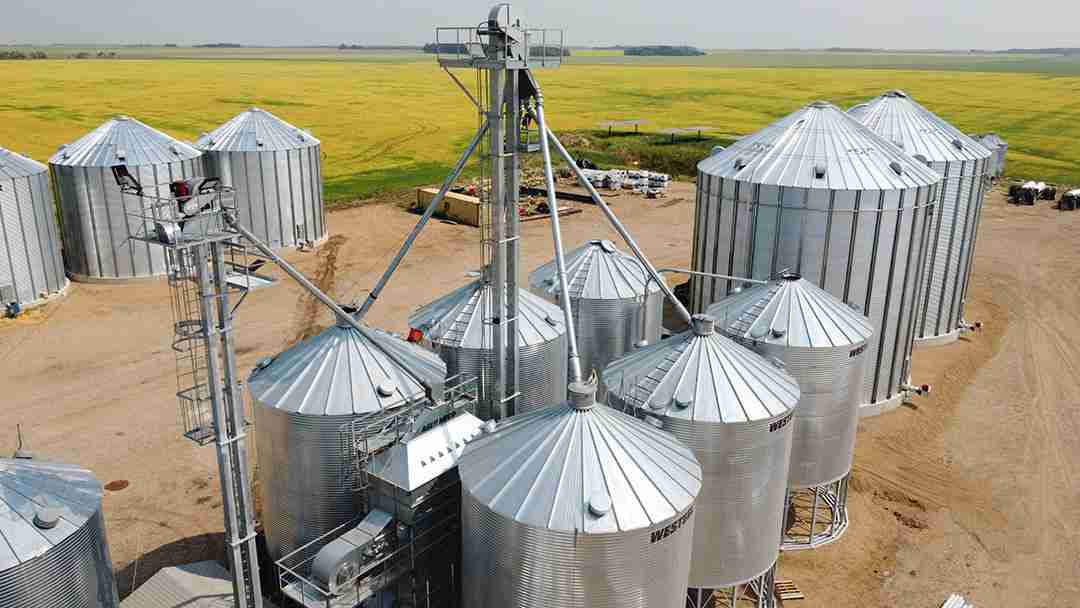
Understanding the Benefits of On-Site Grain Processing
The advent of portable rice milling machines has revolutionized grain processing, making on-site operations not only feasible but also economically advantageous. By milling grains directly where they are harvested, farmers and millers can significantly reduce their transportation costs and minimize the risk of quality deterioration. Furthermore, local processing allows for immediate access to freshly milled rice, ensuring superior taste and nutritional value. This convenience translates into better product quality and a higher market price, empowering local economies and promoting self-sufficiency.
Moreover, on-site grain processing enhances resource efficiency and minimizes waste. With integrated systems that utilize renewable energy sources, these machines reduce dependence on fossil fuels, contributing to a more sustainable agricultural practice. Additionally, the capacity for small-scale milling facilitates customized production, allowing producers to cater to local consumer preferences. This localized approach not only fosters community growth but also enhances food security by ensuring that communities have access to vital resources without reliance on external suppliers.
Key Features to Look for in Portable Rice Milling Machines
When considering the ideal portable rice milling machine, it’s essential to evaluate several defining characteristics that can enhance the efficiency and ease of operation. First and foremost, capacity is key; machines that can process larger volumes in shorter time frames will undoubtedly save labor and time. Additionally, power source is crucial; options range from electric to diesel-powered models, offering flexibility depending on the location and availability of resources. Lastly, the weight and portability of the machine should be considered; lighter models are easier to transport, enabling quick setup in various locations.
Another vital aspect is the milling quality; look for machines equipped with advanced technology that ensures minimal broken rice and maximizes the yield of milled grains. A machine with user-friendly controls greatly enhances the milling experience, allowing operators to make adjustments effortlessly. Furthermore, maintenance requirements are significant; machines that are easy to clean and maintain enhance longevity and overall performance. consider the cost-effectiveness, balancing initial investment with long-term operational efficiency, to ensure the selected machine meets both budgetary and functional needs.
Maximizing Efficiency: Best Practices for Using Portable Rice Mills
Utilizing portable rice mills effectively requires a combination of strategic planning and regular maintenance. To ensure maximum output and efficiency, operators should adhere to several best practices. First, proper calibration of the machine before use is crucial; this includes setting the desired milling parameters and ensuring all components are functioning optimally. Regular checks for wear and tear can prevent unexpected breakdowns, thereby minimizing downtime. Additionally, maintaining an organized work environment is essential. Consider establishing a smooth workflow that includes clear designated areas for raw and processed rice, which can enhance productivity and facilitate quick operations.
Another important aspect to consider is the quality of the paddy being milled. High-quality grains yield better results, so sourcing fresh, well-dried rice is recommended. Developing a routine for regular cleaning of the milling unit not only enhances performance but also prolongs the lifespan of the equipment. Training operators on the correct use of technology is vital; thus, investing in skill development sessions can significantly improve both efficiency and safety. consider leveraging data analysis to monitor throughput and quality metrics; this data can help you refine processes and identify areas for improvement:
| Best Practices | Description |
|---|---|
| Calibrate Machines | Set parameters for optimal milling before use. |
| Quality Raw Material | Sourcing fresh, well-dried rice ensures better milling outcomes. |
| Regular Maintenance | Perform routine cleaning and checks on equipment. |
| Operator Training | Invest in development sessions for efficient machine use. |
| Data Analysis | Monitor metrics to identify improvement areas. |
Future Outlook
As we stand at the crossroads of tradition and innovation, the rise of portable rice milling machines embodies more than just a technological advancement; it signifies a cultural shift in the way we approach agriculture and food production. These compact marvels are not only transforming grains into sustenance but also empowering farmers, fostering local economies, and promoting sustainability. By making the milling process more accessible and efficient, portable rice milling machines are reshaping the landscape of rice production, one grain at a time.
As we look to the future, it is clear that this new chapter in grain processing holds promise for enhancing food security and preserving the time-honored practices of farming communities around the world. In this era of ongoing change, the fusion of innovation with tradition offers a glimpse of a more resilient agricultural sector, ready to meet the challenges of tomorrow. So, whether you’re a farmer, a food enthusiast, or simply curious about the evolution of rice milling, the journey towards grain transformation has only just begun. Let us embrace this intersection of creativity and practicality, paving the way for a sustainable future in agriculture.



