
In the lush green paddies of rice fields, a silent transformation takes place—one that marries tradition with technology in an age-old process that has sustained civilizations for centuries. The journey from grain to plate is not merely a matter of harvesting; it involves the careful orchestration of milling, a crucial step that unveils the potential of this staple crop. Today, as we stand at the crossroads of culinary heritage and modern innovation, the art and efficiency of modern rice milling reveal a fascinating narrative. This article invites you to delve into the techniques, technologies, and insights that are reshaping the rice milling industry, enhancing both productivity and quality while honoring the time-honored practices that have defined rice cultivation. Join us as we explore the intricate process that elevates simple grains into the cornerstone of global cuisine, fostering a deeper appreciation for this essential food source.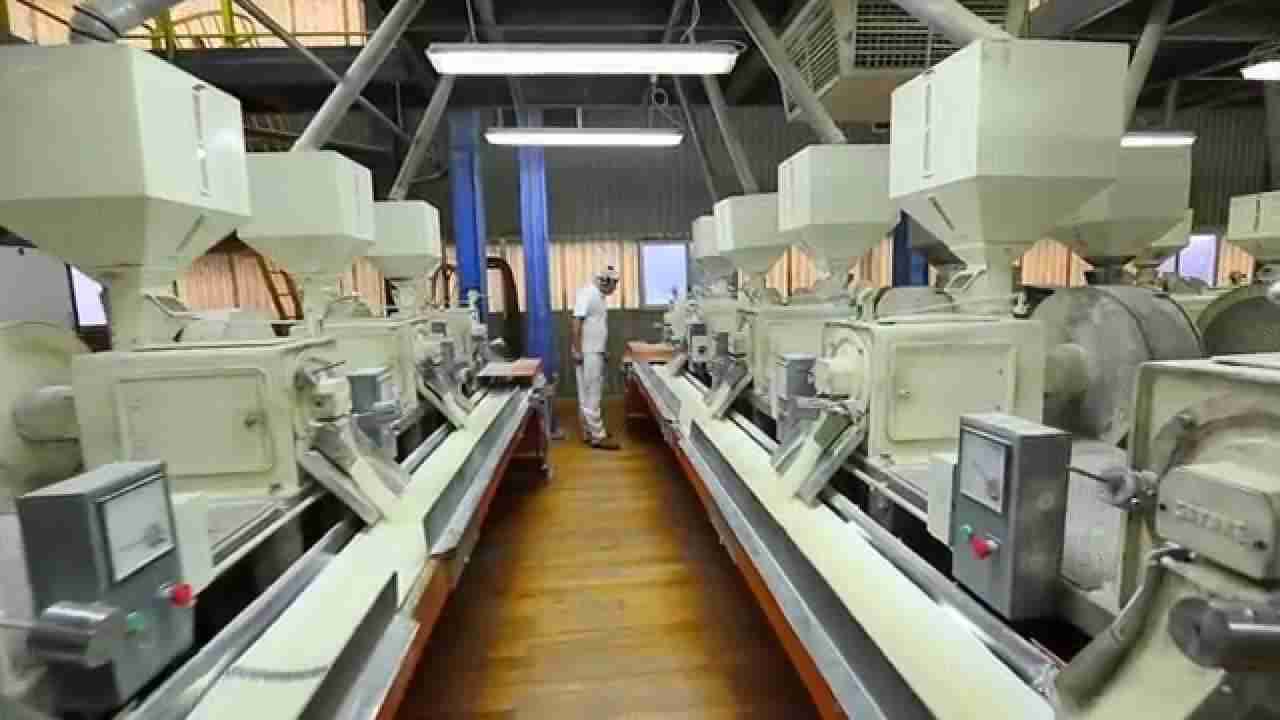
Exploring the Innovations in Rice Milling Technology
In recent years, the rice milling industry has witnessed a transformational wave of technological advancements that aim to increase both the efficiency and quality of the final product. Modern rice milling facilities are integrating automated systems that streamline the processing stages, reducing labor costs and the likelihood of human error. Key innovations include:
- Optical Sorters: Utilizing high-resolution cameras and advanced algorithms to separate impurities from high-quality grains.
- Color Sorters: Employing advanced imaging techniques that ensure only the best grains are selected, boosting overall appearance and value.
- Hydrothermal Conditioning: This technique improves grain quality and milling yields by treating rice with controlled heat and moisture.
- Energy-efficient Machinery: New milling equipment consumes less power, thus lowering operational costs and environmental impact.
Additionally, the implementation of smart sensors and data analytics has transformed how mills operate. Through real-time monitoring, mills can optimize the milling process based on various parameters such as moisture content and grain size. This level of precision not only enhances efficiency but also ensures that the end products retain their nutritional value and taste. The table below illustrates how these cutting-edge technologies contribute to improvements in various aspects of rice milling:
| Innovation | Benefit |
|---|---|
| Optical Sorters | Higher quality selection |
| Hydrothermal Conditioning | Improved milling yields |
| Energy-efficient Machinery | Cost savings and eco-friendliness |
| Smart Sensors | Enhanced process optimization |

The Role of Automation in Enhancing Efficiency
In the realm of modern rice milling, automation serves as a catalyst in transforming traditional processes into streamlined operations. By integrating sophisticated machinery and intelligent software, mills can significantly enhance production capabilities. The automation of tasks such as husking, milling, and sorting brings several advantages, including:
- Increased output and reduced processing time
- Consistent product quality through precision
- Minimized labor costs and reduced human error
- Enhanced traceability of product origin
Furthermore, automation fosters a data-driven approach, allowing mill operators to monitor performance metrics in real-time. This capability not only facilitates proactive maintenance but also empowers stakeholders to make informed decisions based on actionable insights. By utilizing automation tools such as smart sensors and machine learning algorithms, rice milling facilities can optimize their operations and respond dynamically to market demands. Below is a simple table showcasing key automated processes in modern rice milling:
| Process | Automation Role | Benefits |
|---|---|---|
| Husking | Use of husking machines | Increased efficiency, better grain recovery |
| Milling | Automated milling equipment | Consistent texture and quality |
| Sorting | Optical sorting technology | Higher purity and reduced waste |
Sustainability Practices in Modern Rice Processing
In the quest for sustainable rice processing, modern facilities are increasingly adopting methods that not only enhance efficiency but also minimize their environmental footprint. By integrating advanced technologies into their operations, these mills can significantly reduce waste and energy consumption. Key practices include:
- Water Conservation: Innovations such as water recycling systems help to ensure that water usage is optimized, reducing the overall demand for this precious resource.
- Renewable Energy Sources: Many rice mills are transitioning to solar or wind energy, decreasing reliance on fossil fuels and lowering carbon emissions.
- Waste Utilization: The by-products generated during milling, such as husks and bran, are turned into bio-fuels or organic fertilizers, closing the waste loop.
Furthermore, compliance with international sustainability standards is becoming a hallmark of competitive rice processing facilities. These guidelines not only promote ethical labor practices but also encourage mills to engage with local communities, ensuring that the benefits of rice processing extend beyond the factory gates. A closer look at the impact of sustainable practices reveals some exciting trends:
| Practice | Impact |
|---|---|
| Bioenergy Utilization | Reduces fossil fuel dependency |
| Eco-friendly Packaging | Minimizes plastic waste |
| Community Engagement Programs | Supports local farmers |
Best Practices for Maximizing Quality and Yield
To achieve optimal results in rice milling, it is essential to implement a series of effective techniques that emphasize both quality and yield. First and foremost, grain selection plays a pivotal role; choosing the right variety of rice can significantly impact the final product. It’s equally important to ensure that the rice is properly stored and processed, as moisture levels can lead to spoilage or reduce milling efficiency. Regular calibration of milling equipment guarantees that machines operate at peak performance, minimizing breakage and maximizing the recovery of whole grains. Proper maintenance routines should include:
- Routine cleaning of machinery
- Regular checks of grinding surfaces
- Monitoring and adjusting milling parameters
Moreover, integrating state-of-the-art technology can streamline operations and enhance overall outcomes. For instance, employing optical sorting technology can help eliminate impurities and ensure uniformity in grain quality. Advanced milling control systems, equipped with data analytics, allow for real-time monitoring to make informed adjustments instantly. Below is a simple table showcasing various milling technologies and their benefits:
| Technology | Benefit |
|---|---|
| Optical Sorters | Improves grain quality by removing defects |
| Moisture Analyzers | Ensures optimal moisture levels for milling |
| Milling Control Systems | Enhances precision and efficiency through analytics |
The Way Forward
As we draw the curtain on our exploration of modern rice milling, it becomes evident that this age-old practice has evolved into a sophisticated blend of art and science. The intricacies of milling not only reflect technological advancements but also a deep respect for the grain that sustains millions globally. By harnessing innovative machinery and sustainable practices, contemporary rice milling not only enhances efficiency but also preserves the vital qualities of rice, ensuring its role as a staple food for generations to come.
As we continue to navigate the challenges of food production in a rapidly changing world, understanding and appreciating the nuances of rice milling is more imperative than ever. This essential process, once simple and laborious, now stands as a testament to human ingenuity and our commitment to feeding the world with both care and precision. In the tapestry of global agriculture, modern rice milling is not just a function; it is a harmonious blend of tradition and innovation, a dance of efficiency that continues to nourish and inspire.



