
In the heart of agrarian landscapes across the globe, a quiet transformation unfolds—grains of paddy, nestled within their husks, undergo a meticulous journey from field to table. “Unlocking the Secrets: The Art and Science of Paddy Processing” invites readers to explore this fascinating intersection of tradition and technology. Here, the age-old practices of farmers harmonize with modern innovations, revealing a complex tapestry woven from skilled craftsmanship and scientific principles. As we delve into the various stages of paddy processing—from harvesting and drying to milling and packaging—we uncover not only the intricate techniques that enhance quality and yield but also the cultural significance embedded in each step. Join us on this enlightening expedition, where the secrets of paddy processing come to life, offering insights into a vital component of global food systems and sustainable agricultural practices.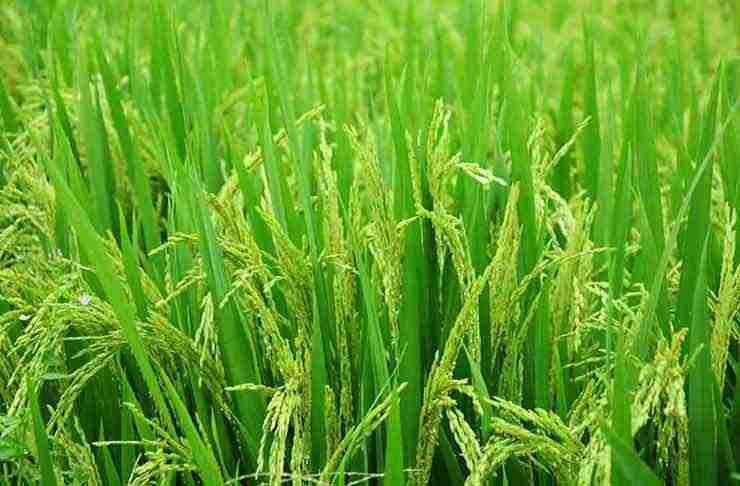
Exploring the Historical Journey of Paddy Processing Techniques
Paddy processing techniques have evolved remarkably throughout history, reflecting the cultural and technological advancements of societies that have relied on rice as a staple food source. In ancient times, traditional methods such as hand pounding and water milling dominated, where farmers would use rudimentary tools to remove husks from grains. Communities invented diverse techniques tailored to local conditions, leading to variations in processing methods across regions. In the early days, the emphasis was largely on accessibility and efficiency with minimal resources. Key processes included:
- Threshing: The separation of grains from the stalks.
- Winnowing: The removal of chaff by wind or manual methods.
- Soaking: To enhance the cooking quality of the paddy.
As agriculture modernized, so too did paddy processing techniques, with mechanization playing a significant role in increasing yield and efficiency. The introduction of rice mills in the 20th century transformed the landscape of rice production, allowing for quicker processing and higher quality rice. This period saw a marked shift from small-scale artisanal methods to industrial approaches, where modern technology such as huskers, polishers, and color sorters became standard in large-scale operations. The changes led to:
| Traditional Methods | Modern Techniques |
|---|---|
| Hand pounding | Automated milling |
| Water-powered mills | Electric powered rice huskers |
| Manual sorting | Color sorting machines |
This transition not only enhanced efficiency but also ensured better adherence to quality standards, ultimately impacting food security on a global scale.

Understanding the Science Behind Optimal Grain Quality
To achieve exceptional grain quality, a deep understanding of the physiological and biochemical processes involved in paddy processing is essential. At the heart of this understanding lies the significance of moisture control. During storage and processing, optimal moisture levels not only prevent spoilage but also influence the overall texture and flavor of the rice. Key factors impacting grain quality include:
- Temperature: Low temperatures help maintain grain integrity.
- Humidity: Excess moisture can lead to fungal growth.
- Time: Prolonged exposure to unfavorable conditions diminishes quality.
The milling process is another critical component in ensuring prime grain quality. The careful balance of removing the husk while preserving the bran layer can enhance nutritional value and improve the appearance of the rice. Additionally, the type of milling equipment used affects the milled rice’s quality significantly. Factors to consider include:
| Type of Milling | Impact on Quality |
|---|---|
| Traditional Stone Milling | Gentle on grain, retains more nutrients |
| Modern Roller Milling | High efficiency, but may remove more bran |
| Parboiling | Enhances grain durability, improves nutrition |
Innovative Technologies Transforming Paddy Processing Efficiency
The landscape of paddy processing is undergoing a remarkable transformation, driven by the integration of innovative technologies that bolster efficiency and enhance the quality of the final product. Automation stands at the forefront of this revolution, with robotic systems and AI-driven sorting machines optimizing labor processes and minimizing human error. By employing advanced algorithms, these machines can swiftly identify and separate high-quality grains from impurities, ensuring a cleaner and more uniform output. The incorporation of smart sensors also enhances monitoring capabilities, allowing operators to track moisture levels and detect anomalies in real time, thus facilitating better control over the processing environment.
Another significant advancement lies in the realm of energy efficiency. Modern paddy processing plants are adopting renewable energy sources such as solar and biomass technologies, drastically reducing their carbon footprint. Additionally, the use of heat recovery systems captures waste energy generated during processing to power other operational functions, creating a more sustainable workflow. These innovations not only improve economic viability but also foster an increasingly eco-friendly approach to paddy processing. The culmination of these technologies is poised to redefine industry standards, paving the way for a rice market that thrives on efficiency, sustainability, and quality assurance.
| Technology | Benefits |
|---|---|
| Automation | Reduces labor costs and increases precision. |
| AI-driven Sorting | Improves quality control and productivity. |
| Smart Sensors | Enhances monitoring and controls. |
| Renewable Energy | Minimizes environmental impact. |
| Heat Recovery Systems | Boosts energy efficiency and lowers costs. |
Best Practices for Sustainable and Eco-Friendly Processing Methods
The journey of paddy from field to table can be a transformative one, especially when we incorporate methods that prioritize sustainability. By adopting eco-friendly practices, processors can significantly minimize their environmental footprint. A few key approaches include:
- Water Management: Implementing systems to recycle and conserve water throughout the processing stages can lead to significant reductions in waste.
- Energy Efficiency: Utilizing energy-efficient machinery or integrating renewable energy sources such as solar and wind can greatly reduce carbon emissions.
- Waste Utilization: Instead of discarding rice husks and straw, processors can explore options for bioenergy production or convert by-products into feed or organic fertilizers.
Furthermore, engaging local communities can enhance sustainable practices while bolstering the economy. Collaborations with farmers can promote organic farming methods, thereby increasing biodiversity and soil health. Additionally, educating consumers on the benefits of choosing sustainably processed rice can pave the way for market shifts towards greener choices. Here’s a look at some benefits of eco-friendly paddy processing:
| Benefit | Description |
|---|---|
| Lower Carbon Footprint | Reduced greenhouse gas emissions through efficient resource use. |
| Enhanced Biodiversity | Promoting ecological balance through sustainable farming practices. |
| Improved Quality | Healthier crops resulting from organic and sustainable methods. |
The Way Forward
As we conclude our exploration into the intricate world of paddy processing, it becomes clear that this seemingly simple grain is steeped in a rich tapestry of tradition and innovation. From the bustling fields where paddy is cultivated to the sophisticated technology employed in processing, each step is a testament to human ingenuity and resilience.
Understanding the art and science behind paddy processing not only deepens our appreciation for this staple food but also highlights the importance of sustainable practices that can preserve its integrity for future generations. As we unlock these secrets, we also unlock the potential for better livelihoods, healthier diets, and a more sustainable planet.
In a world increasingly driven by demands for efficiency and quality, the journey of paddy from farm to table is a reminder that every grain carries with it the stories of farmers, communities, and cultures. So, the next time you savor a bowl of rice, take a moment to reflect on the intricate process that brought it to your plate—a blend of age-old traditions and cutting-edge science, working in harmony to nourish both body and soul. Happy eating, and may your understanding of this essential crop continue to grow!



