
In the vast tapestry of global agriculture, few crops hold as much significance as rice, a staple that nourishes billions and weaves itself into the cultural fabric of countless societies. Yet, behind the effortless appearance of a steaming bowl lies a complex world of processing that is both art and science. The journey from paddy fields to plate is not merely about cultivation; it involves intricate machinery and innovative technology that transform raw grains into the polished product we cherish. In this article, we embark on a deep dive into the realm of rice processing gear, exploring the evolution of the tools and technologies that are pivotal in refining grains. From traditional methods steeped in history to cutting-edge advancements that enhance efficiency and quality, we unravel how this essential food undergoes a metamorphosis—each step revealing the craftsmanship and ingenuity required to bring one of humanity’s oldest staples into the modern age. Join us as we examine the machinery and processes that not only preserve but elevate rice, shedding light on the unsung heroes of the agricultural landscape.
Understanding the Grain Journey from Field to Table
From the moment seeds are sown into the earth, a meticulous journey unfolds, eventually leading to your dinner plate. The transformation of grains, particularly rice, is a masterclass in agriculture and technology. Once harvested, the rice undergoes several critical steps before it reaches consumers, including drying, milling, and packaging. Each of these processes plays a crucial role in determining the quality and taste of the final product. Innovations in processing gear have significantly enhanced efficiency and sustainability in rice production. Today’s equipment not only increases yield but also minimizes waste, demonstrating a perfect symbiosis between tradition and technology.
After harvesting, the rice is typically subjected to the following stages:
- Drying: Essential for preserving quality and preventing spoilage.
- Milling: Removes the husk and bran layers to produce white rice.
- Sorting: Ensures only the best grains make it to packaging.
- Packaging: Protects the rice during transport and storage, extending its shelf life.
| Stage | Purpose |
|---|---|
| Drying | Prevents fungal growth and spoilage |
| Milling | Removes inedible parts, enhances texture |
| Sorting | Ensures quality and consistency |
| Packaging | Prevents contamination and preserves freshness |
Essential Equipment for Optimal Rice Milling Efficiency
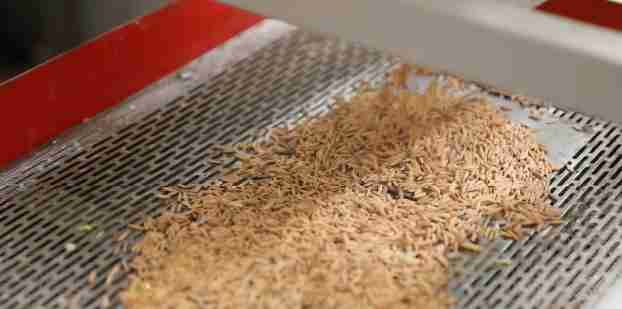
To achieve peak efficiency in rice milling, the selection of the right equipment is crucial. First and foremost, the rice mill itself acts as the heart of the operation. Modern milling machines encompass advanced technology that not only removes husks and bran but also optimizes grain breakage, ensuring a higher yield of polished rice. Other pivotal equipment includes de-stoners, which eliminate stones or other impurities that can affect grain quality. Additionally, screening machines help sort rice by size, ensuring uniformity in the final product. These items work harmoniously to enhance productivity and maintain quality standards.
Furthermore, ancillary devices also play a significant role in the milling process. Conveyors streamline the movement of grains from one stage to another, minimizing handling and reducing the chance of contamination. Storage silos are essential for maintaining the quality of rice before and after milling, safeguarding it from moisture and pests. Moreover, incorporating quality testing equipment allows millers to continually monitor and ensure the product meets industry standards. The integration of these tools not only maximizes efficiency but also leads to a more sustainable milling practice.
Innovative Technologies Shaping Modern Rice Processing
Modern rice processing has embraced a plethora of innovative technologies that significantly enhance efficiency, quality, and sustainability. Advanced mechanical systems and digital solutions have emerged to streamline everything from harvesting to packaging. For instance, the integration of smart sensors and IoT (Internet of Things) devices allows for real-time monitoring of crop conditions and processing workflows. Some of the key innovations include:
- Automation in Milling: Automated milling equipment ensures precision and reduces human error.
- Optical Sorting: High-definition cameras and artificial intelligence analyze rice for color, shape, and size, discarding inconsistencies.
- Biotechnology: Genetically modified rice varieties enhance resistance to diseases and pests, requiring fewer chemicals.
Moreover, processing plants are increasingly leveraging data analytics to optimize production schedules and manage supply chains. These tools help producers predict market demand and adjust their resources accordingly. The adoption of clean energy solutions also cannot be overlooked; many facilities now utilize solar panels and bioenergy systems to power machinery, thus minimizing their carbon footprint. To offer an overview of the most prominent technologies revolutionizing the rice industry:
| Technology | Description | Impact |
|---|---|---|
| Smart Sensors | Real-time monitoring of environmental conditions | Improved yields and reduced waste |
| Automated Packing Systems | Robotic solutions for efficient packaging | Increased throughput and reduced labor costs |
| Data Analytics | Insights into production optimization | Enhanced decision-making capabilities |
As these technologies continue to advance, they promise to reshape the landscape of rice production, making it more resilient, efficient, and sustainable for future generations.
Sustainability in Rice Production: Equipment that Supports Eco-Friendly Practices
As the global demand for rice surges, the focus on sustainable production practices takes center stage. This evolution in rice cultivation is driven by innovative equipment designed specifically to enhance eco-friendly practices. Precision farming tools, such as GPS-guided tractors and drones equipped with multispectral sensors, allow farmers to monitor crop health and optimize resource management. This targeted approach to farming not only maximizes yield but also minimizes waste, safeguarding the ecosystem while ensuring food security. Additionally, bio-degradable packaging solutions are gaining traction in rice processing, significantly reducing plastic pollution and aligning with consumer preferences for sustainable products.
To complement these technologies, advancements in water-saving irrigation systems play an essential role in mitigating the water-intensive nature of traditional rice farming. By employing drip irrigation and smart sensors, farmers can efficiently conserve water while maintaining crop health. Moreover, integrating solar-powered milling equipment reduces reliance on fossil fuels, further lowering the carbon footprint associated with rice processing. The intersection of innovative machinery and sustainable practices not only paves the way for greener rice production but also sets a precedent for other agricultural sectors to follow.
Closing Remarks
As we conclude our exploration into the intricate world of rice processing gear, it’s clear that the journey from paddy to plate is a marvel of innovation and ingenuity. Each piece of equipment plays a vital role in transforming grains into the staple food that sustains millions around the globe. From the hum of milling machines to the precision of sorting technologies, the advancements in this sector not only optimize efficiency but also enhance quality and safety.
As we look toward the future, the evolution of rice processing gear will undoubtedly continue to shape the industry, addressing challenges such as sustainability and food security. Embracing these changes will be crucial for farmers, processors, and consumers alike as we navigate an ever-changing landscape.
Ultimately, the story of rice processing is about more than just machinery; it’s about connecting communities, preserving traditions, and nourishing the world. So as you reflect on the grains that grace your table, consider the transformative journey they’ve undergone—fuelled by technology, expertise, and the simple power of innovation.



