
In the heart of countless culinary traditions across the globe, rice remains a staple food that nourishes billions. Yet, behind every grain of rice lies a sophisticated process that transforms paddy into the fluffy, white rice we often take for granted. At the center of this transformation stands the rice milling machine, a pivotal innovation that not only enhances grain quality but also boosts efficiency in rice production. In this article, we embark on a journey to explore the essentials of rice milling machines—delving into their types, functionalities, and the technological advancements that are reshaping the industry. Join us as we uncover how these machines are revolutionizing rice processing, ensuring that this beloved grain continues to grace our tables with optimal flavor and nutrition. Whether you’re a farmer, a food enthusiast, or simply curious about agricultural technology, this overview will illuminate the vital role of rice milling machines in the global food supply chain.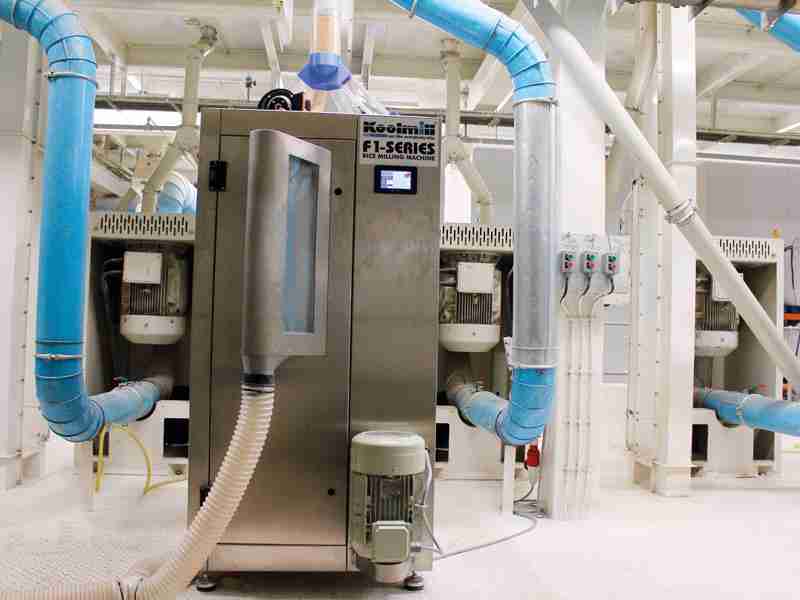
Understanding the Key Components of Rice Milling Machines
Rice milling machines are intricate devices composed of various key components, each tailored to fulfill a specific function in the processing of rice. Huskers play a vital role, effectively removing the outer husk from the paddy grain while ensuring the rice remains intact. Following this, destoners come into play to eliminate any stones or foreign materials that may have been harvested alongside the rice. The separator is another essential component, which sorts the rice by size, allowing larger grains to filter through while smaller impurities are discarded.
Moreover, the milling process transitions to the whitener and polisher units, which work together to remove the bran layer and achieve that glossy finish we associate with high-quality rice. After polishing, the rice is usually passed through a grader to ensure uniformity in size, crucial for packaging and marketing. To facilitate and optimize the entire milling process, a robust control panel provides operators with the functionality to monitor and adjust settings as needed, ensuring efficiency and quality are maintained throughout production.

Evaluating the Different Types of Rice Milling Technologies
When it comes to rice milling, various technologies are employed to achieve the desired quality and efficiency. Each type offers unique attributes, tailored for different scales of production and processing requirements. Traditional milling systems, such as the hullers and grinder, are widely known for their simplicity and efficacy, making them suitable for small-scale farmers. On the other hand, modern milling technologies, including the use of automated systems and integrated processing lines, have revolutionized rice production on a larger scale, enabling higher precision in milling and better-quality output.
Among the popular milling technologies, we find paddy-to-rice millers, which effectively remove husks and bran without damaging the grain. Additionally, satellite milling systems are gaining traction in regions where access to large-scale machinery is limited, promoting decentralized milling. Each technology has its advantages and drawbacks, which can be summarized as follows:
| Technology | Advantages | Drawbacks |
|---|---|---|
| Traditional Mill | Low initial investment, simple operation | Lower capacity, less precision |
| Modern Mill | High efficiency, better quality | High cost, requires maintenance |
| Decentralized Mill | Accessibility, promotes local economies | Potentially inconsistent quality |
Essential Maintenance Tips for Optimal Performance
To ensure that rice milling machines operate efficiently and maintain their longevity, regular maintenance is crucial. Some of the fundamental practices include checking and tightening the belts and chains, as well as keeping the rollers and hulls free from accumulation. The consistent cleaning of different components not only aids in performance but also helps to prevent contamination of the rice. Here are some key maintenance tasks to incorporate into your routine:
- Daily Inspection: Check for any unusual sounds or vibrations.
- Lubrication: Apply lubricant to moving parts as per the manufacturer’s guidelines.
- Cleaning: Remove rice dust and residue after each milling session.
- Regular Calibration: Ensure the machine settings correspond to the milling requirements.
It is also beneficial to set up an annual maintenance schedule that involves a thorough examination of all critical components. This process can help identify potential issues before they escalate into significant problems. Consider the following aspects during your comprehensive checks:
| Component | Maintenance Check | Frequency |
|---|---|---|
| Husker | Inspect for wear and tear | Quarterly |
| Separator | Clean and check airflow | Monthly |
| Grinder | Inspect and sharpen blades | Biannually |
By adhering to a structured maintenance routine, users can not only enhance the efficiency of rice milling machines but also significantly reduce the risk of unexpected breakdowns, ensuring steady productivity in the milling process.
Selecting the Right Rice Milling Machine for Your Needs
When it comes to choosing a rice milling machine, several factors come into play to ensure that you find the best fit for your specific needs. First and foremost, evaluate your production capacity and volume requirements. Understanding how much rice you plan to process daily will help narrow down your options. Additionally, consider the type of rice you are milling, as different varieties may require different milling techniques. Look for machines that offer adjustable settings to cater to diverse rice types and milling preferences.
Furthermore, the machine’s features and technology play a crucial role in its efficiency and output quality. Pay attention to the following aspects when making your decision:
- Power Consumption: Opt for energy-efficient models that minimize operational costs.
- Ease of Use: A user-friendly interface with simplified controls can boost workplace productivity.
- Maintenance Requirements: Choose machines that are easy to clean and maintain to prolong their lifespan.
- After-Sales Support: Ensure the manufacturer provides reliable customer service and spare parts availability.
| Feature | Benefits |
|---|---|
| Adjustable settings | Customized milling for different rice varieties |
| Energy efficiency | Lower operational costs |
| User-friendly design | Increased productivity and reduced training time |
Closing Remarks
the world of rice milling machines offers a fascinating blend of tradition and technology, harmoniously working together to transform a staple food into perfectly processed grains. As we’ve explored, the essentials of these machines extend far beyond mere functionality; they embody the evolution of agricultural practices and reflect the ongoing commitment to efficiency and quality in food production. From the intricate mechanisms that separate husk from grain to the innovations that enhance productivity, every element of rice milling plays a vital role in ensuring that this cherished crop reaches our tables in its best form. Whether you’re a farmer, a manufacturer, or simply an enthusiast of agricultural advancements, understanding the ins and outs of rice milling machines empowers you to appreciate the science and craftsmanship behind one of the world’s most vital resources. As we move forward, the continuous improvements in this field will likely shape the future of rice production, ensuring that the grains we rely on are milled with greater precision and care. So, let us celebrate the journey of rice from field to fork, acknowledging the unsung heroes of the milling process.



