
From Grain to Plate: The Journey of a Rice Processing Plant
In the heart of the countryside, where fields stretch endlessly beneath a tapestry of sky, a humble grain embarks on an extraordinary journey. Rice, a staple food for billions, begins its life nestled in earthen paddies, basking in sunlight and quenched by the gentle caress of rain. Yet the path from these sun-drenched fields to our dining tables is anything but simple. It is a tale woven with tradition, technology, and transformation within the bustling walls of a rice processing plant. Here, the journey of the grain unfolds through meticulous steps: harvesting, milling, and packaging, all while revealing the intricate dance between nature and innovation. In this article, we delve into the world of rice processing, exploring the crucial stages that turn paddy into polished grains, ready to grace plates across the globe. Join us as we uncover the unseen efforts, the machinery at work, and the passionate individuals who bring this vital staple to households everywhere.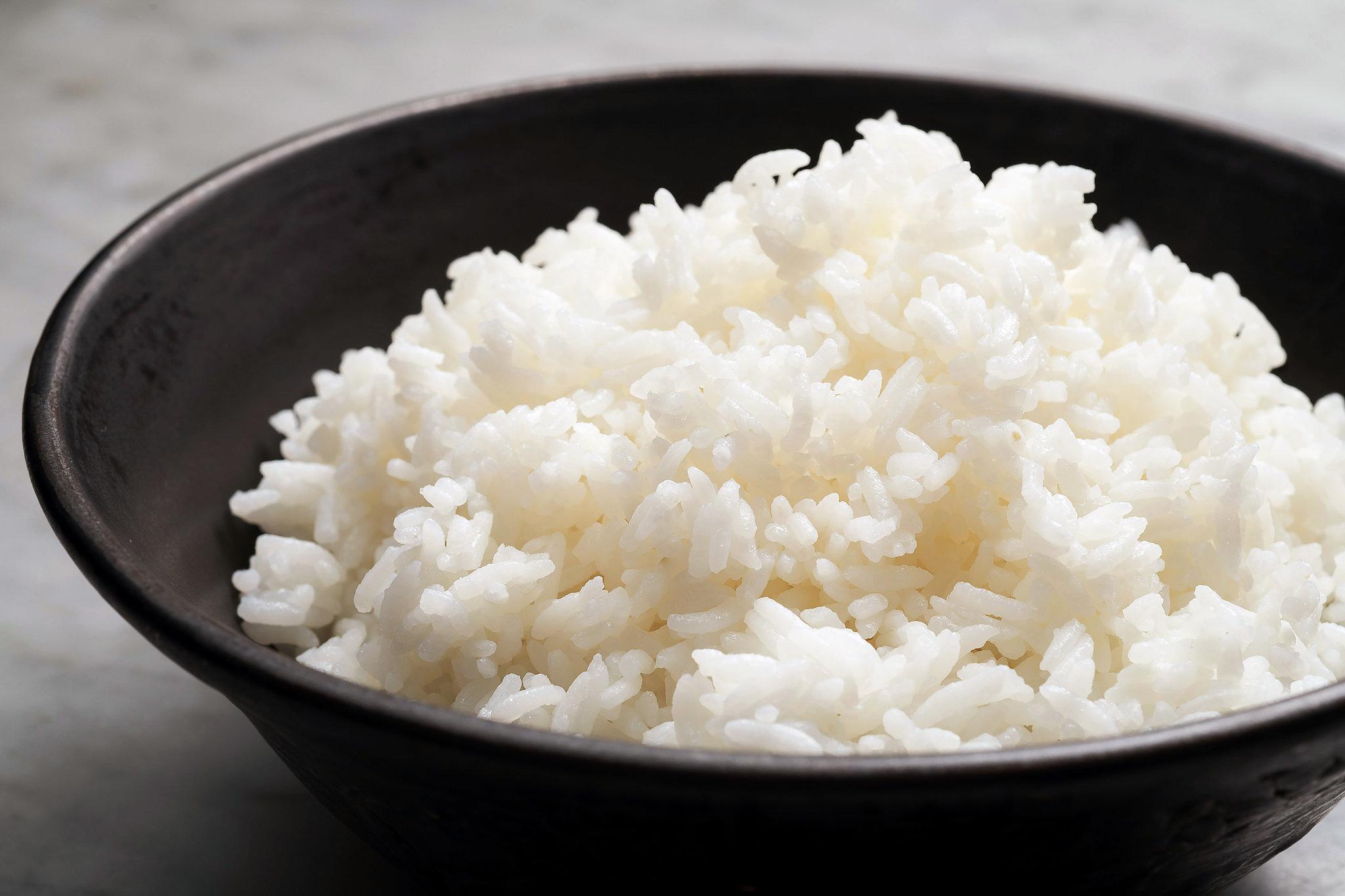
Understanding the Lifecycle of Rice: From Harvest to Processing
The journey of rice begins with its cultivation, where it thrives in the warm, moist conditions of paddies during the summer months. Once the rice plants reach maturity, the grains are harvested, signaling the transition from field to facility. During this phase, farmers utilize specialized machinery to gather the rice, ensuring that the grains are collected efficiently while minimizing damage. Post-harvest activities are crucial in maintaining the quality of the grain and may include:
- Drying: Reducing moisture content to prevent spoilage.
- Cleaning: Removing impurities such as stones and weeds.
- Storage: Using silos or other storage methods to protect grains from pests and environmental factors.
Once delivered to processing plants, rice undergoes a series of meticulous steps that transform it into the polished product we find on our plates. This processing phase encompasses milling, where the outer husk is removed, followed by whitening, which enhances the grain’s appearance. Various techniques are employed to improve the nutritional profile of rice, including parboiling, where the grains are soaked, steamed, and dried before milling. To better illustrate the stages involved, consider the following:
| Stage | Description |
|---|---|
| 1. Harvesting | Collecting mature rice grains from fields. |
| 2. Drying | Reducing moisture content to prevent spoilage. |
| 3. Milling | Removing husk and polishing the grains. |
| 4. Packaging | Preparing rice for distribution and sale. |
This seamless transformation from field-grown grain to a packaged staple exemplifies the intricate processes at work within rice processing plants. Each step is aimed at ensuring that the end product not only meets quality standards but also brings forth the rich heritage of rice as a vital food source around the globe.

Innovative Techniques in Rice Milling: Enhancing Quality and Efficiency
Advancements in technology have transformed the rice milling process, promoting both quality and efficiency. Modern milling plants now integrate automated systems and precision machinery, which drastically reduce human error and improve output consistency. Techniques such as paddy pre-treatment, utilizing steam or soaking to enhance hull removal, play a critical role in preserving the nutritional value of rice while minimizing breakage during milling. Furthermore, sophisticated color sorting machines utilize high-resolution cameras and artificial intelligence to identify and eliminate impurities and blemished grains, ensuring that only the highest quality rice reaches the consumer’s table.
In addition to machinery enhancements, the implementation of sustainability practices is gaining traction in rice processing facilities. Many modern plants are adopting energy-efficient models and waste-reduction strategies, such as recycling rice husks as biomass fuel for drying operations, which not only optimizes resource use but also reduces overall carbon footprint. A focus on continuous improvement methodologies, like Six Sigma, enables facilities to monitor and refine their processes systematically, fostering an environment where quality and efficiency are paramount. The synergy between these innovative techniques not only elevates the standard of the final product but also sets a new benchmark for the rice industry as a whole.
Sustainability Practices in Rice Processing Plants: Balancing Productivity and Environmental Responsibility
In the quest for achieving optimal efficiency while minimizing environmental impact, rice processing plants are increasingly implementing innovative sustainability practices. One effective approach is the integration of waste management systems that focus on repurposing byproducts. For example, rice husks can be transformed into bioenergy, providing a renewable source of power for the facility. Additionally, plants are adopting water conservation techniques, such as closed-loop water systems that recycle process water, limiting freshwater use and reducing wastewater generation. These practices not only contribute to environmental stewardship but also enhance the operational cost-effectiveness of the processing plants.
Energy consumption remains a vital area for improvement in rice processing. To tackle this challenge, many facilities are now leveraging renewable energy sources, including solar and wind energy, to power machinery and reduce reliance on fossil fuels. Furthermore, the implementation of efficient machinery and technology plays a crucial role in optimizing productivity without compromising eco-friendliness. An effective strategy involves utilizing advanced milling techniques that increase yield while minimizing energy requirements. This commitment to sustainability can be summarized in the following table showcasing key practices and their benefits:
| Practice | Benefit |
|---|---|
| Waste Management Systems | Transforms byproducts into renewable energy |
| Water Conservation Techniques | Reduces freshwater usage and wastewater generation |
| Renewable Energy Sources | Lowers carbon footprint and operational costs |
| Efficient Machinery and Technology | Increases yield while minimizing energy consumption |
From Factory to Fork: Ensuring Food Safety and Traceability in Rice Supply Chains
In the intricate journey of rice from its origins to our dining tables, the commitment to safety and traceability plays an essential role. Each step of the supply chain, from cultivation to processing, is meticulously monitored to ensure the integrity of the grain. In this process, key factors are prioritized:
- Farm Management Practices: Adopting sustainable agricultural techniques helps minimize contamination risks from pests and pollutants.
- Quality Control Measures: Regular testing at every stage of rice processing guarantees that impurities and toxins are identified and dealt with promptly.
- Certification Standards: Compliance with food safety certifications, such as ISO and HACCP, ensures that all stakeholders adhere to strict guidelines.
Traceability is the backbone of the rice supply chain, enabling consumers to feel confident in their food choices. Tracking systems allow for the seamless flow of information regarding every batch of rice, from the field through to the processing plant and finally to retail. The following table outlines the key players in this ecosystem:
| Stakeholder | Role |
|---|---|
| Farmers | Cultivation and harvesting of high-quality rice |
| Processors | Cleaning, milling, and packaging the rice |
| Distributors | Transportation and logistics management |
| Retailers | Selling the finished product to consumers |
Concluding Remarks
As we conclude our exploration of the intricate journey from grain to plate within a rice processing plant, it’s evident that this remarkable process is not just a tale of machinery and automation; it is a symphony of nature, technology, and human ingenuity. Each stage, from the careful harvesting of golden grains to the meticulous milling and packaging, embodies a commitment to quality and sustainability.
The humble rice grain, a staple for billions around the world, is transformed within these walls, transcending its agricultural origins to become a central character in countless meals and cultures. As we enjoy our bowls of rice, it is worth remembering the dedication and craftsmanship that orchestrate this journey, connecting us not only to the earth but also to the communities that cultivate and process this essential food.
In this interconnected world, we are called to appreciate the story behind our sustenance, recognizing the interdependence of farmers, processors, and consumers. The next time you savor a delicious rice dish, take a moment to reflect on the transformative journey it has undertaken, and the myriad of hands that have contributed to bringing it to your table. After all, every grain tells a story—one of labor, care, and respect for tradition. Thank you for joining us on this enlightening voyage through the fascinating world of rice processing.



