
Inside the Paddy Processing Factory: Harvest to Table Journey
As the sun rises over lush, green fields, the rhythmic swaying of rice plants hints at the transformative journey they are about to undertake. Each grain of paddy carries with it the promise of nourishment, a story that begins in the fertile soil and culminates on dinner plates around the world. But between the raw harvest and the polished grain lies a complex labyrinth of hands-on labor, cutting-edge technology, and age-old tradition—a journey that unfolds within the confines of the paddy processing factory. In this exploration, we will delve into the intricate processes that breathe life into this staple food, from the initial steps of harvesting and drying to milling and packaging. Join us as we unveil the machinery, manpower, and meticulous care that ensures every grain of rice reaches its full potential, connecting farmers to consumers in a seamless story of sustenance and culture.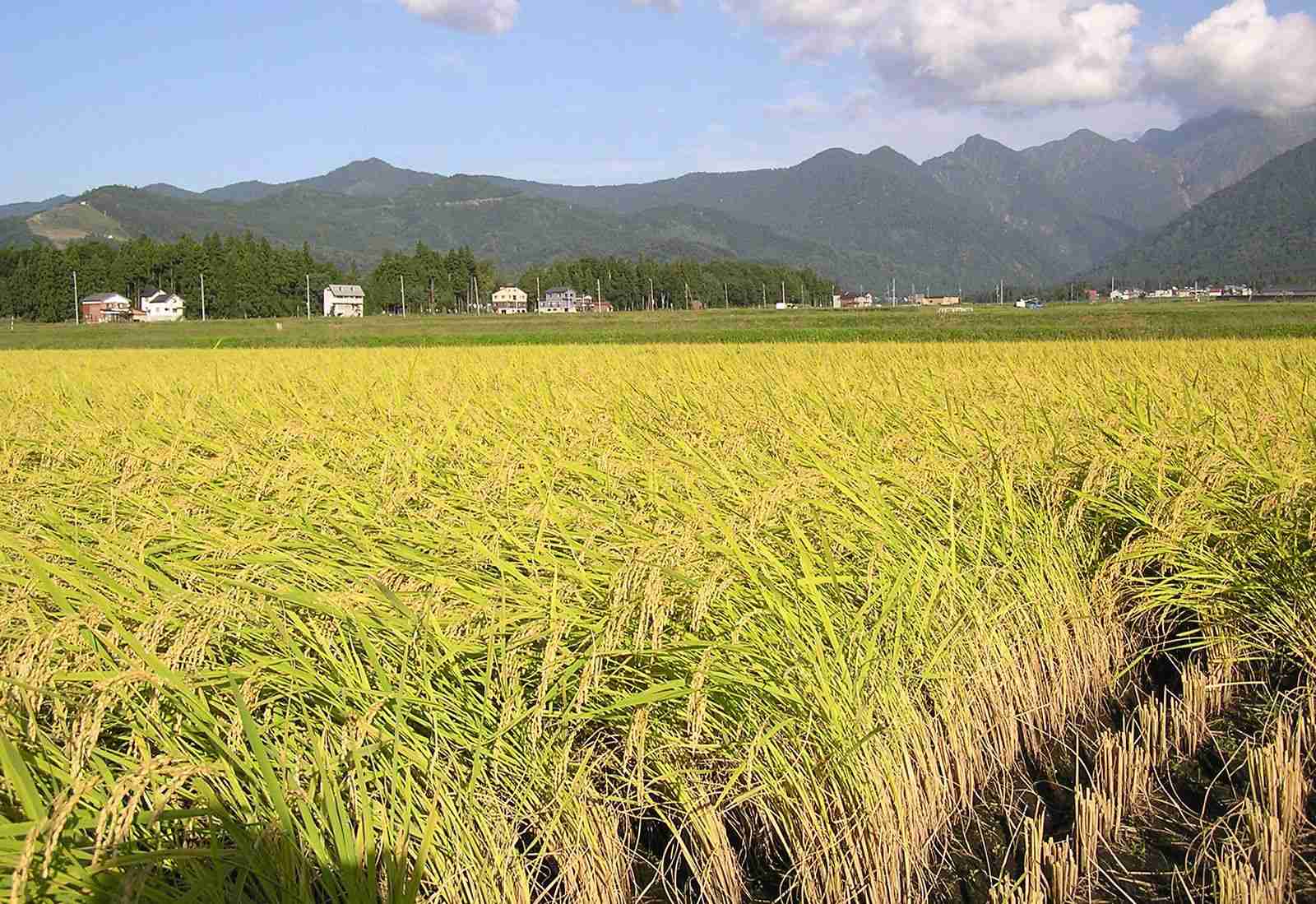
Exploring the Paddy Journey from Harvesting to Milling
As the sun rises on the fields, the paddy journey begins with the dawn of harvesting. Farmers equipped with traditional tools and modern machinery unite in a symphony of clinking metal and rustling straw. Each ear of rice is carefully cut and bundled, signifying the end of one season and the promise of new beginnings. The freshly harvested crop undergoes initial cleaning, where impurities like stones, straw, and dirt are meticulously removed to ensure only the finest grains proceed to the next stage of processing. The aroma of damp earth mingles with the brightness of ripe green fields as the paddy transitions from the field to the drying area.
Once the wet paddy is transported to the processing factory, the milling phase takes center stage. Here, the grain embarks on a transformative journey through an intricate system of machinery and technology designed to convert it into the rice we know and love. The process includes several key steps—drying, husking, milling, and polishing—each tailored to preserve the integrity and quality of the rice. The final product, gleaming white rice, is sorted according to grades and packaged for distribution, ensuring that every grain retains the essence of its origins. The entire journey, from the verdant fields to the polished grains, symbolizes not just agricultural effort but also a rich connection between farmers, consumers, and the table.
| Stage | Description |
|---|---|
| Harvesting | Gathering mature paddy from the fields. |
| Drying | Reducing moisture content to prevent spoilage. |
| Husking | Removing the outer husk to reveal the brown rice. |
| Milling | Removing the bran and germ layers to produce white rice. |
| Polishing | Final touch to enhance appearance and texture. |

Understanding the Critical Role of Quality Control in Processing
Quality control is an indispensable component of paddy processing, ensuring that the journey from harvest to table is seamless and efficient. The process begins with strict criteria for selecting paddy, as only the highest quality grains make it through to the next stages. During milling, quality control check-points are systematically established to monitor critical parameters such as moisture content, grain size, and purity levels. This meticulous attention to detail not only enhances the overall quality of the processed rice but also helps in minimizing waste, maximizing yield, and adhering to industry standards.
The inspection protocols are comprehensive and can be categorized into several key areas:
- Initial Inspection: Assessment of incoming raw materials for quality.
- Milling Supervision: Continuous monitoring of machinery to prevent defects.
- Sampling Techniques: Regular sampling for laboratory analysis to ensure optimal processing.
- Final Quality Check: Rigorous evaluation of finished products before packaging.
| Quality Parameter | Inspection Method | Frequency |
|---|---|---|
| Moisture Content | Moisture Meter | Every Batch |
| Grain Size | Sieve Analysis | Daily |
| Purity Levels | Visual Inspection | Hourly |
By focusing on these specific quality indicators, producers can identify potential issues early on, making necessary adjustments to the processing line. This proactive stance extends beyond production to include training employees about quality standards, which fosters a culture of excellence throughout the factory. Ultimately, the commitment to quality control not only safeguards the integrity of the product but also builds consumer trust in a competitive marketplace.
Innovations in Paddy Processing Technology and Their Impact
Paddy processing technology has branched into a realm of innovation, significantly enhancing both efficiency and quality throughout the journey from harvest to table. Traditional methods have been complemented by state-of-the-art machinery, paving the way for streamlined processes and reduced labor intensity. Among these advancements are:
- Automated Harvesting Machines: These high-tech tools decrease the time and labor involved in paddy harvest, allowing for quicker, more efficient collection.
- Advanced Drying Systems: Utilizing solar energy and precision controls to achieve optimal moisture content has revolutionized the drying phase, safeguarding grain quality and extending shelf life.
- Optical Sorting Technology: This innovation ensures that only the highest quality grains are selected, significantly reducing contamination and improving overall product purity.
The impact of these innovations resonates across the entire supply chain, not only enhancing productivity but also promoting sustainability within the industry. By minimizing waste and improving energy efficiency, modern paddy processing contributes to environmental conservation. The integration of data analytics in production processes allows manufacturers to:
- Monitor Quality: Continuous feedback loops help maintain product standards and reduce defects.
- Optimize Supply Chains: Predictive modeling enables more accurate forecasting, subsequently minimizing excess inventory.
- Enhance Traceability: Technology facilitates tracking from farm to table, giving consumers confidence in quality and source.
| Innovation | Benefit |
|---|---|
| Automated Harvesters | Increased efficiency and reduced labor costs |
| Solar Dryers | Energy savings and improved grain quality |
| Optical Sorting | Enhanced purity and reduced contamination |
Sustainable Practices in Paddy Processing for a Greener Future
Innovations in paddy processing are not just about increasing efficiency; they also play a vital role in promoting sustainable agriculture and environmental stewardship. By implementing eco-friendly technologies, processing facilities are now able to minimize waste and lower their environmental footprint. Techniques such as water recycling, biomass energy utilization, and organic waste composting are revolutionizing the way rice is processed. These practices help preserve precious natural resources, ensuring that paddy farmers and factory operators alike contribute to the health of our planet.
Furthermore, the adoption of sustainable sourcing strategies is critical in enhancing the overall sustainability of the rice supply chain. Factories can embrace local procurement policies to support regional farmers while reducing transportation emissions. Additionally, educating farmers about sustainable agricultural practices not only improves crop yields but also protects the biodiversity of local ecosystems. A robust commitment to these responsible approaches can yield a multitude of benefits, such as:
- Reduction of greenhouse gas emissions
- Enhancement of soil health
- Preservation of water resources
- Support for local economies
| Practice | Benefit |
|---|---|
| Water Recycling | Conserves water and reduces waste |
| Composting | Enhances soil fertility |
| Local Sourcing | Boosts the local economy and reduces emissions |
Wrapping Up
As we conclude our journey through the intricate world of paddy processing, we hope to have illuminated the remarkable transformation that occurs from field to factory, and ultimately, to your table. The process, although often overlooked, is a testament to human ingenuity and the delicate balance of nature and technology. From the golden fields swaying in the breeze to the meticulously maintained factory floors, every step is a rhythm in the symphony of rice production.
This exploration not only highlights the hard work and dedication of farmers and factory workers but also underscores the importance of sustainable practices in preserving the land that nourishes us. As the grains find their way into homes around the globe, they carry with them stories of resilience, craftsmanship, and community.
Next time you savor a bowl of rice, take a moment to appreciate the journey it undertook to reach your plate. Let it serve as a reminder of the intricate connections between agriculture, industry, and our daily lives. The journey from harvest to table is more than just a process; it is a celebration of life, culture, and our shared responsibility to honor the origins of what we consume. Thank you for joining us in this exploration of the paddy processing factory—a journey rich in both flavor and significance.



