
Transforming Grains: The Art and Science of Rice Milling Units
In the heart of agricultural landscapes, where vast fields of golden rice sway gently in the breeze, lies an intricate process that elevates this staple grain from its raw, unrefined state to a polished product cherished around the world. The journey from paddy to plate hinges on the art and science of rice milling units—an industry not only rooted in centuries of tradition but also bolstered by modern innovations. This article delves into the meticulous transformation of grains, exploring the delicate balance between craftsmanship and technology that defines rice milling. From the age-old practices that celebrate the grain’s integrity to cutting-edge machinery that optimizes yields and quality, we invite you to discover the profound impact of rice milling units on food security, economic development, and culinary delight. Join us as we unravel this fascinating field, where every grain tells a story waiting to be unveiled.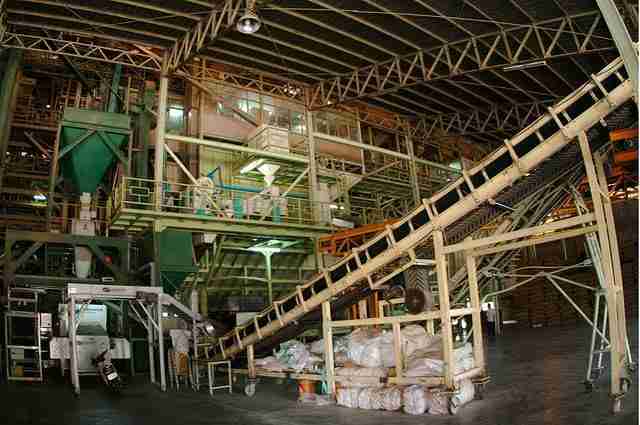
Understanding the Fundamentals of Rice Milling Technology
Rice milling technology is a harmonious blend of engineering principles and agricultural science, essential for transforming harvested rice into a consumable product. At the core of this transformation are several key processes and technologies that work together to ensure the quality and efficiency of the milling operation. Understanding these fundamentals helps mill operators optimize output, reduce waste, and enhance the nutritional profile of the rice. It begins with the careful selection of paddy, which undergoes various treatments such as soaking and steaming to prepare it for milling. The subsequent steps involve husking, separating the husk from the grain, followed by polishing, which enhances the appearance and quality of the rice for consumer markets.
In the world of rice milling, various equipment plays distinct roles that contribute to the overall efficiency and quality of the product. Some notable components include:
- Dehusker: Removes the outer husk without damaging the grain
- Whiteners: Polish the grains to produce the desired shine
- Grading machines: Sort rice based on size and quality
- Storage silos: Protect the final product from spoilage and pests
The effectiveness of these machines relies not only on their design but also on the technological advancements embedded in them. Understanding the interactions between these components aids in streamlining the workflow, ultimately leading to enhanced production and quality assurance.
| Process | Description |
|---|---|
| Husking | Removing the husk from the paddy grain |
| Whitening | Polishing the grain for a better appearance |
| Grading | Sorting based on size and quality |
| Packaging | Preparing rice for distribution and sale |
Exploring the Impact of Milling Techniques on Grain Quality
The transformation of grains, particularly rice, hinges significantly on the milling techniques employed. Each method has a distinct impact on the overall quality of the grain, influencing not only physical attributes but also nutritional content. Key factors that come into play during milling include:
- Hulling Process: This crucial step removes the outer husk while preserving the kernel, with variations in technique leading to differences in grain appearance.
- Polishing: Achieving a glossy finish can enhance market value, though excessive polishing may strip vital nutrients.
- Sieving: Effective sorting separates broken grains from whole ones, directly affecting the quality and consumer perception.
The relationship between milling techniques and grain quality is underscored by a variety of advanced practices that have emerged. The implementation of technology, from automated machines to precision milling controls, provides a pathway to improve yields while maintaining grain integrity. Consider the following comparison of common milling techniques:
| Milling Technique | Impact on Grain Quality | Nutritional Retention |
|---|---|---|
| Traditional Milling | Higher breakage rates, less uniform | Good, but variable |
| Modern Milling | Lower breakage, uniform grains | Higher retention of nutrients |
| Precision Milling | Optimum quality and appearance | Best nutrient profile |
Through continued innovations in milling processes, the quality of rice—the staple food for a significant portion of the world’s population—can be radically enhanced. By striking a balance between efficiency and quality retention, rice milling units can effectively support both producers and consumers, ensuring a reliable source of nourishment while adapting to industry demands.
Innovative Practices for Sustainable Rice Processing
The evolution of rice milling units has ushered in a new age of efficiency and sustainability. Innovative processing techniques not only enhance the quality of rice but also significantly reduce waste. Implementing methods such as controlled milling and precision polishing helps to retain more nutrients within the grains. Furthermore, advancements in technology allow for the use of energy-efficient machinery that minimizes carbon footprints while optimizing output. By adopting these practices, milling units can achieve higher levels of productivity without compromising environmental integrity.
Moreover, sustainable sourcing and waste management have become crucial components of modern rice processing. By establishing partnerships with local farmers, mills can ensure that their operations support regional agriculture while also reducing transportation emissions. Additional strategies for sustainability include:
- Utilizing by-products such as rice husks for bioenergy
- Implementing water recycling systems
- Adopting solar energy solutions for powering machinery
These practices not only optimize resources but also contribute to a circular economy that encourages ecological balance and community involvement, ensuring that rice production benefits both the environment and the economy in a harmonious manner.
Maximizing Efficiency: Best Practices for Rice Milling Units
In the quest for enhanced productivity and superior grain quality, rice milling units can implement several best practices. One vital approach is regular maintenance of machinery, which not only extends the lifespan of equipment but also ensures smooth operation. Key activities include:
- Daily inspections to identify wear and tear.
- Scheduled cleanings of machines to prevent dust and grain accumulation.
- Timely replacement of worn parts, particularly in hulling and milling machinery.
Another aspect to consider is the adoption of optimal milling techniques tailored to the specific rice variety being processed. This involves a careful balance between pressure, temperature, and duration during milling, ensuring minimal breakage and maximum yield. Consider implementing the following techniques:
| Technique | Benefits |
|---|---|
| Gradual Milling | Reduces stress on grains, maintaining quality. |
| Use of Hydraulic Pressure | Enhances removal of husk without damaging the grain. |
Insights and Conclusions
As we draw the curtain on our exploration of ”Transforming Grains: The Art and Science of Rice Milling Units,” we find ourselves at the intersection of tradition and technology. The journey from paddy to polished grain is not merely a mechanical process; it is a dance of precision, culture, and innovation. Whether in a rustic village or a bustling modern factory, rice milling units embody the commitment to quality and sustainability, ensuring that every grain tells a story of care and craft.
As the world continues to evolve, so too does the art of rice milling. Advances in machinery, sustainability practices, and an increased focus on preserving nutritional value will shape the future of this timeless process. Each development not only enhances efficiency but also honors the heritage of farming communities that have cultivated rice for generations.
We leave you with a renewed appreciation for the grains that grace our tables. Understanding the intricate processes behind rice milling inspires us to respect these staples and the people who dedicate their lives to bringing them to our kitchens. As we savor a bowl of rice, let us also celebrate the harmony of art and science in this essential agricultural endeavor—where every grain is transformed, and every meal begins a new story.



