
In the world of culinary artistry, the pursuit of perfection often begins far from the stovetop. Nestled within the intricate process of preparing a dish, the journey of rice—from field to plate—holds an unassuming hero: the rice polisher. This ingenious device not only enhances the visual appeal of grains but also unlocks a symphony of textures and flavors that elevate even the simplest of meals. As we venture into the realm of rice polishing, we will explore its historical significance, the science behind this transformative process, and the profound impact it has on our dining experiences. Join us as we unveil the rice polisher, a gateway to achieving the ultimate in culinary excellence, one grain at a time.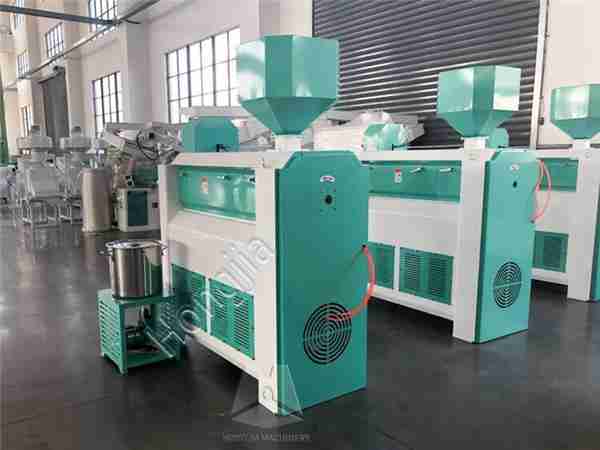
Understanding the Mechanism Behind Rice Polishers
At the heart of a rice polisher’s efficiency lies its intricate design that harmonizes mechanical components to transform raw rice into polished perfection. These machines operate on the principle of friction and abrasion, where rough grains are gently buffed against each other, resulting in the removal of the outer bran layer while preserving the nutritious kernel beneath. The combination of speed, pressure, and heat generated during this process is finely tuned to ensure uniformity and minimizes grain breakage, enhancing the quality of the final product.
Crucial to the operation of rice polishers are a few key components that contribute to their exemplary performance:
- Abrasion Surface: Typically made from materials that facilitate effective grain polishing.
- Sealed Chamber: Encloses the rice and maintains optimal conditions, reducing dust and loss of nutrition.
- Adjustment Mechanism: Allows precise control over the degree of polishing according to the grain type.
Understanding these elements not only aids in selecting the right machine for specific rice varieties but also reveals how technology can elevate the simple grain into a culinary delight. The integration of these features in modern rice polishers promises not just aesthetic enhancement but also maintains the essential food value that is often lost in conventional methods.
The Benefits of Polished Rice for Culinary Perfection
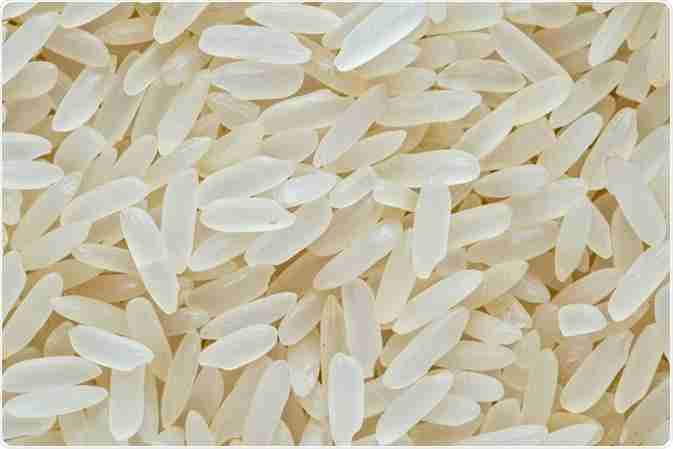
Polished rice serves as a culinary canvas, elevating dishes with its subtle adaptability and exquisite texture. When grains are polished, they undergo a transformation that not only enhances their appearance but also improves their cooking properties. This process removes the outer bran layer, resulting in a smoother, glossier surface that cooks evenly and absorbs flavors beautifully. As a result, polished rice becomes the ideal companion for a variety of cuisines, from classic risottos to fragrant biryanis, offering a delightful mouthfeel with each bite.
Furthermore, polished rice boasts a longer shelf life compared to its whole grain counterparts. This longevity makes it a practical staple in kitchens around the world. Some noteworthy benefits include:
- Enhanced Flavors: The uniform surface allows rice to absorb more seasoning.
- Consistent Cooking: Polished grains cook more evenly, reducing the risk of burnt or undercooked portions.
- Versatile Pairing: Its neutral taste complements a wide array of dishes without overpowering other ingredients.
To illustrate the nutritional aspect of polished rice compared to its whole grain version, refer to the table below:
| Nutrient | Polished Rice (per 100g) | Brown Rice (per 100g) |
|---|---|---|
| Calories | 130 | 111 |
| Fiber | 0.4g | 2.8g |
| Protein | 2.7g | 2.6g |
| Carbohydrates | 28.6g | 23g |
This comparative analysis highlights the elegance of polished rice: while it may lack the fiber found in brown rice, its allure lies in its ability to yield culinary perfection, making it an indispensable ingredient for a wide range of gourmet creations.
Choosing the Right Rice Polisher for Your Kitchen
In the quest for the perfect rice dish, the rice polisher emerges as an essential tool that elevates your culinary experience. When selecting the ideal rice polisher for your kitchen, consider factors that align with your cooking habits and rice preferences. Capacity is key—whether you often prepare meals for a family or enjoy solo cooking, finding a polisher that can handle your typical batch size is crucial. Additionally, assess the features that cater to your needs, such as adjustable polishing levels, ease of cleaning, and energy efficiency. A model with multiple settings allows you to experiment with different rice varieties, from jasmine to basmati, while ensuring that each grain is polished to perfection.
Another aspect to ponder is the design and build quality of the rice polisher. Look for robust materials that can withstand regular use without compromising performance. A sleek design not only enhances your kitchen’s aesthetic but also contributes to user-friendly operation. Noise levels during polishing can influence your cooking environment, so opting for a quieter model can be a win-win. To summarize the essential features to consider, refer to the table below:
| Feature | Importance |
|---|---|
| Capacity | Match with cooking habits |
| Features | Adjustable settings for different rice types |
| Design | Aesthetics and user-friendliness |
| Noise Level | Maintain a peaceful cooking environment |
Maintenance Tips to Extend the Life of Your Rice Polisher
To keep your rice polisher operating at peak efficiency and ensure it serves you well for years to come, regular maintenance is key. Start by cleaning the exterior and interior components after each use. Use a soft brush to remove any rice dust and particles accumulated during the polishing process. Additionally, check the grain polishing chamber for any blockages or debris that could interfere with its performance. Here are a few maintenance tasks to integrate into your routine:
- Inspect and clean the polishing pads regularly to avoid excessive wear.
- Lubricate moving parts as recommended by the manufacturer to maintain smooth operation.
- Check the power cords and connections to prevent electrical issues.
- Store the machine in a dry, cool area to prevent rust and other damage.
It’s also essential to monitor the rice polisher’s performance, as any noticeable decrease in efficiency may indicate the need for professional servicing. Implement a schedule for more comprehensive check-ups, including deep cleaning and parts replacement when necessary. Consider the following table for a suggested maintenance timeline:
| Maintenance Task | Frequency |
|---|---|
| Exterior Cleaning | After Every Use |
| Check Polishing Pads | Weekly |
| Lubrication of Moving Parts | Monthly |
| Professional Servicing | Annually |
By adhering to these maintenance tips and keeping an eye on your rice polisher’s performance, you will not only enhance its longevity but also improve the quality of the grains you produce. A well-maintained rice polisher is your best ally in achieving that perfect bowl of rice every time.
Future Outlook
As our journey through the world of rice polishing draws to a close, we find ourselves enlightened by the intricate dance between tradition and innovation. The rice polisher, often an unsung hero in culinary arts, stands as a testament to humanity’s quest for perfection. With each grain it refines, it echoes a story of heritage while embracing the promise of modern technology.
Whether you’re a home cook seeking to elevate your dishes or a professional chef aiming for gastronomic excellence, understanding the nuances of rice polishing can transform your culinary creations. It’s a reminder that sometimes, the simplest ingredients—when treated with care and precision—can produce extraordinary results.
So, as you reflect on your next meal, consider the journey of those grains before they grace your table. The rice polisher may be a small, yet powerful tool, opening the door to textures and flavors that can redefine a dish. With the knowledge of this remarkable device now at your fingertips, may you continue to explore, experiment, and savor the art of perfect grains.



