
In the intricate tapestry of global agriculture, few threads are as vital as rice – a staple sustenance for over half the world’s population. Yet, behind the seemingly simple grain lies a complex network of processes that transform paddy fields into culinary delights. At the heart of this transformation are rice milling units, the unsung heroes that bridge the gap between harvest and table. These facilities not only enhance the quality and shelf-life of rice but also contribute significantly to economic stability and food security. As we delve into the essential role of rice milling units, we will explore how they unlock efficiency in production, optimize resource use, and cater to the ever-evolving demands of consumers. Join us on a journey through the grain’s journey, and discover how these pivotal units are redefining the landscape of rice production.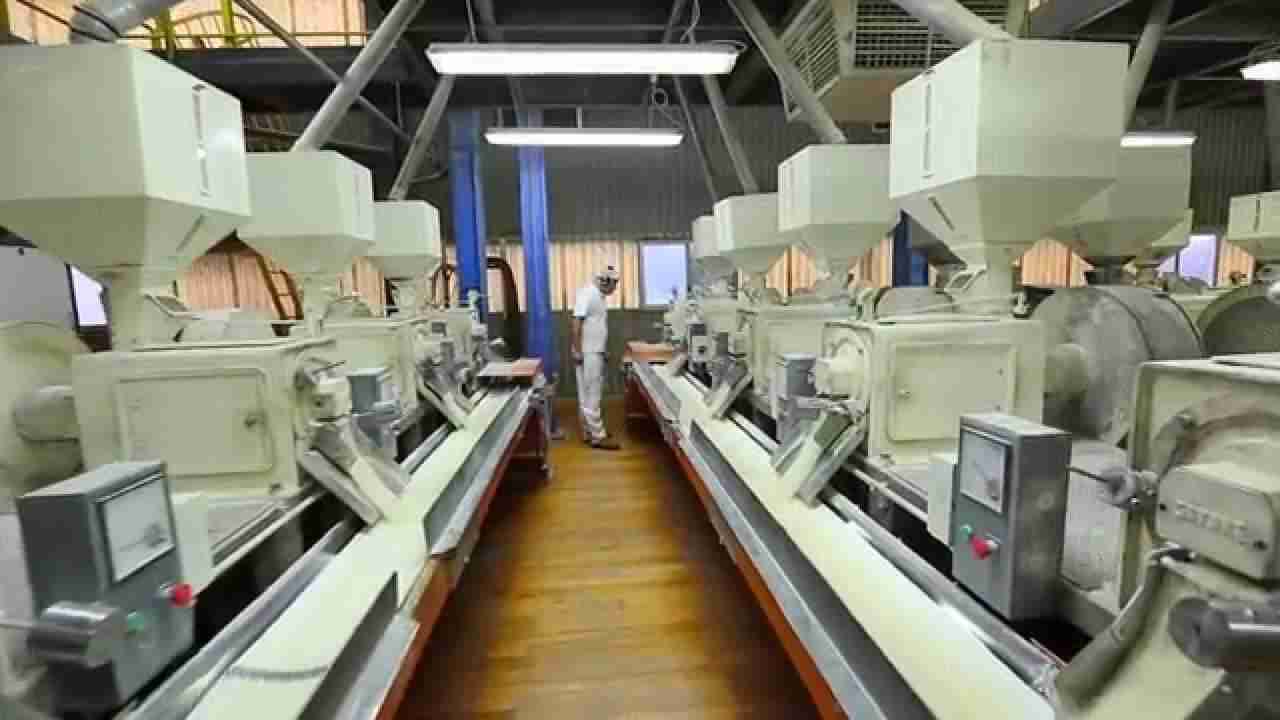
Understanding the Rice Milling Process and Its Significance
The rice milling process is a vital step in transforming harvested paddy into the polished grains that we consume daily. This intricate procedure involves several stages, each playing a critical role in maintaining the quality and nutritional value of the rice. Initially, the paddy undergoes cleaning to remove impurities such as dust, stones, and straw. Following this, the grains are husked, which involves removing the hard outer shell to reveal the edible part. This stage is essential, as the quality of the husking directly affects the final product’s appearance and taste.
After husking, the rice goes through the milling process, where the grains are further polished and sorted. This stage enhances the rice’s marketability and ensures consistency in cooking quality, which is crucial for consumer satisfaction. To visualize the stages of the milling process, consider the following components:
| Stage | Description |
|---|---|
| Cleaning | Removes foreign materials from paddy. |
| Husk Removal | Separates edible grains from the husk. |
| Milling | Polishes rice and enhances its appearance. |
| Sorting | Grades rice by size and quality. |
This process not only aims to enhance the aesthetic appeal of rice but also aims to preserve its nutritional values, making it an indispensable factor within food production systems. In an industry increasingly driven by efficiency, understanding these processes can help stakeholders optimize operations and meet market demands effectively.

Innovative Technologies Enhancing Rice Milling Efficiency
With the evolution of agricultural technologies, rice milling units are increasingly adopting innovative solutions that optimize both productivity and quality. Utilizing automation technologies such as sensors and smart monitoring systems, mills can precisely control the milling process, reducing human error and enhancing operational efficiency. This real-time data collection enables mill operators to make informed decisions regarding maintenance and production schedules, ultimately minimizing downtime. Moreover, advanced sorting technologies like optical sorters ensure that the final product meets high standards by removing impurities and damaged grains, thereby improving the overall quality of the rice produced.
Furthermore, energy-efficient machinery is taking center stage in modern rice milling units. The implementation of eco-friendly technologies and systems not only reduces energy consumption but also lowers operational costs. Key advancements in equipment, such as high-efficiency rubber roll huskers and multi-pass milling systems, allow for better yield and less grain loss. Additionally, the integration of renewable energy sources, such as solar and biomass, encourages sustainable practices that benefit both the environment and the economic stability of rice millers. As the industry continues to embrace these technological advancements, the potential for increased productivity and sustainability becomes more tangible.
Strategies for Optimizing Operations in Milling Units
To enhance the efficiency of rice milling units, implementing technology-driven solutions is essential. By integrating automation into milling processes, operators can minimize manual labor while maximizing output. Automated systems, such as sensors and smart monitoring, enable real-time tracking of grain quality and milling performance, allowing for timely adjustments. Additionally, employing data analytics can help identify bottlenecks and optimize processing parameters, leading to increased throughput and reduced waste.
Emphasizing workforce training is equally vital for operational success. A well-trained team can better manage equipment, understand the nuances of rice milling, and contribute innovative ideas for improvement. Key strategies include:
- Regular training sessions: Keep staff updated on the latest technology and practices.
- Cross-functional teams: Encourage collaboration between departments to share insights and streamline processes.
- Performance feedback: Implement a system for continuous feedback to recognize achievements and address challenges.
Moreover, optimal maintenance strategies can extend the lifespan of equipment. Scheduled preventive maintenance reduces downtime and improves reliability. Regular audits and condition-based monitoring, coupled with a detailed maintenance log, can unveil potential issues before they escalate.
The Economic and Environmental Impact of Modern Rice Milling Practices
Modern rice milling practices significantly influence both economic stability and environmental sustainability. Optimized milling techniques enhance the overall rice yield, contributing to improved farmer income, reduced waste, and greater food security. By utilizing advanced technology such as automated milling systems and precision grain handling, operations minimize energy consumption and maximize output quality. This efficiency not only supports local economies but also fosters global market competitiveness. Furthermore, the integration of these practices often leads to job creation in rural areas, reinforcing community resilience and economic diversity.
On the environmental front, contemporary rice milling units are embracing eco-friendly methods to reduce their carbon footprint. The adoption of renewable energy sources, water recycling systems, and waste management processes is becoming more common. These practices are crucial for minimizing the sector’s impact on natural ecosystems. Consider some of these strategies:
- Utilization of husk as a biomass fuel to power milling operations and reduce dependency on fossil fuels.
- Installation of efficient water filtration systems to reclaim water used in milling, thereby reducing consumption.
- Adoption of organic byproducts as fertilizers to enrich soil health and increase agricultural sustainability.
With these initiatives, rice milling not only meets the growing demand for processed rice but also champions an economic model that respects and preserves the environment. The following table illustrates the comparative benefits of traditional versus modern rice milling practices:
| Aspect | Traditional Milling | Modern Milling |
|---|---|---|
| Energy Consumption | High | Reduced |
| Waste Generation | Significant | Minimal |
| Job Creation | Limited | Enhanced |
| Market Competitiveness | Low | High |
Closing Remarks
the journey through the intricate world of rice milling units has unveiled their pivotal role in enhancing efficiency within the agricultural sector. These remarkable machines not only streamline the production process but also contribute to food security, economic vitality, and sustainability. As we continue to innovate and adapt to the ever-evolving demands of global markets, the importance of investing in advanced milling technologies cannot be overstated. By unlocking the full potential of rice milling units, we pave the way for a future where rice, a staple for billions, is harvested and processed with unparalleled efficiency and care. As stakeholders in this vital industry, let us embrace the advancements that lead us to a more productive and sustainable tomorrow.



