
Unlocking the Secrets of Rice Mills: From Grain to Gourmet
In a world where culinary experiences are constantly evolving, the humble grain of rice often remains an unsung hero on our plates. Yet, beneath its simple exterior lies a complex journey—one that begins in the heart of rice mills, where raw grains are transformed into versatile pantry staples. This article invites you to delve into the fascinating world of rice milling, unraveling the intricate processes that convert husked rice into the gleaming white grains we know and love. From the meticulous harvesting methods that honor tradition to the cutting-edge technologies that ensure quality and sustainability, we will explore how these mills play a pivotal role in the global food landscape. As we follow rice on its journey from field to fork, we will uncover the secrets that elevate it from a dietary staple to a gourmet ingredient, capable of captivating palates around the world. Join us as we unlock the mysteries of rice mills and celebrate the artistry behind every grain.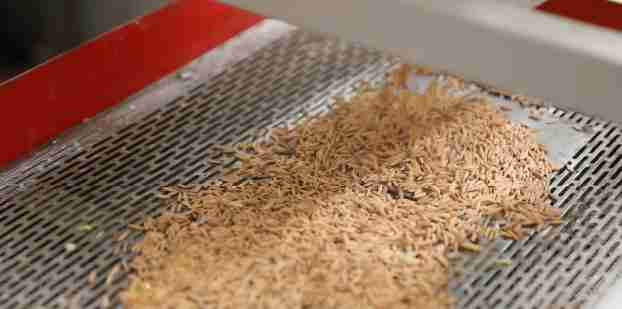
Understanding the Rice Milling Process: From Harvest to Hulling
The journey of rice from field to plate begins with the meticulous harvesting process. Farmers determine the optimal time for harvest by assessing grain maturity, usually indicated by a change in color and moisture content. After cutting the rice stalks, grains are then separated from the husks, often utilizing a combination of manual and mechanical methods. This initial separation is crucial for ensuring high-quality rice, as any damaged grains can affect the overall taste and texture. Following harvest, rice undergoes a drying phase to reduce moisture levels, which is vital for preserving the grain and preventing spoilage. Key steps in this stage include:
- Field Drying: Spreading harvested rice on dry, sunny days to lower moisture.
- Mechanical Drying: Using specialized machinery for consistent moisture control.
- Cooling: Ensuring the rice cools down gradually to maintain quality.
Once dried, rice is transported to a milling facility where the real transformation occurs. Milling involves various stages, including cleaning, hulling, and polishing, each designed to enhance the grain’s quality and appeal. The cleaning process removes impurities, such as stones and dust, ensuring a pure product. Hulling follows, where the outer husk is removed, revealing the white rice inside. This stage is crucial, as it prepares the rice for further processing. The final step is polishing, which gives the rice its shiny appearance and extends its shelf life. The entire milling process can be visually summarized in the table below:
| Process Stage | Description |
|---|---|
| Harvesting | Cutting and gathering of mature rice plants. |
| Drying | Lowering moisture content to preserve quality. |
| Cleaning | Removing dirt, stones, and other impurities. |
| Hulling | Removing the outer husk to reveal the edible grain. |
| Polishing | Enhancing appearance and shelf stability. |
Exploring the Different Types of Rice and Their Culinary Uses
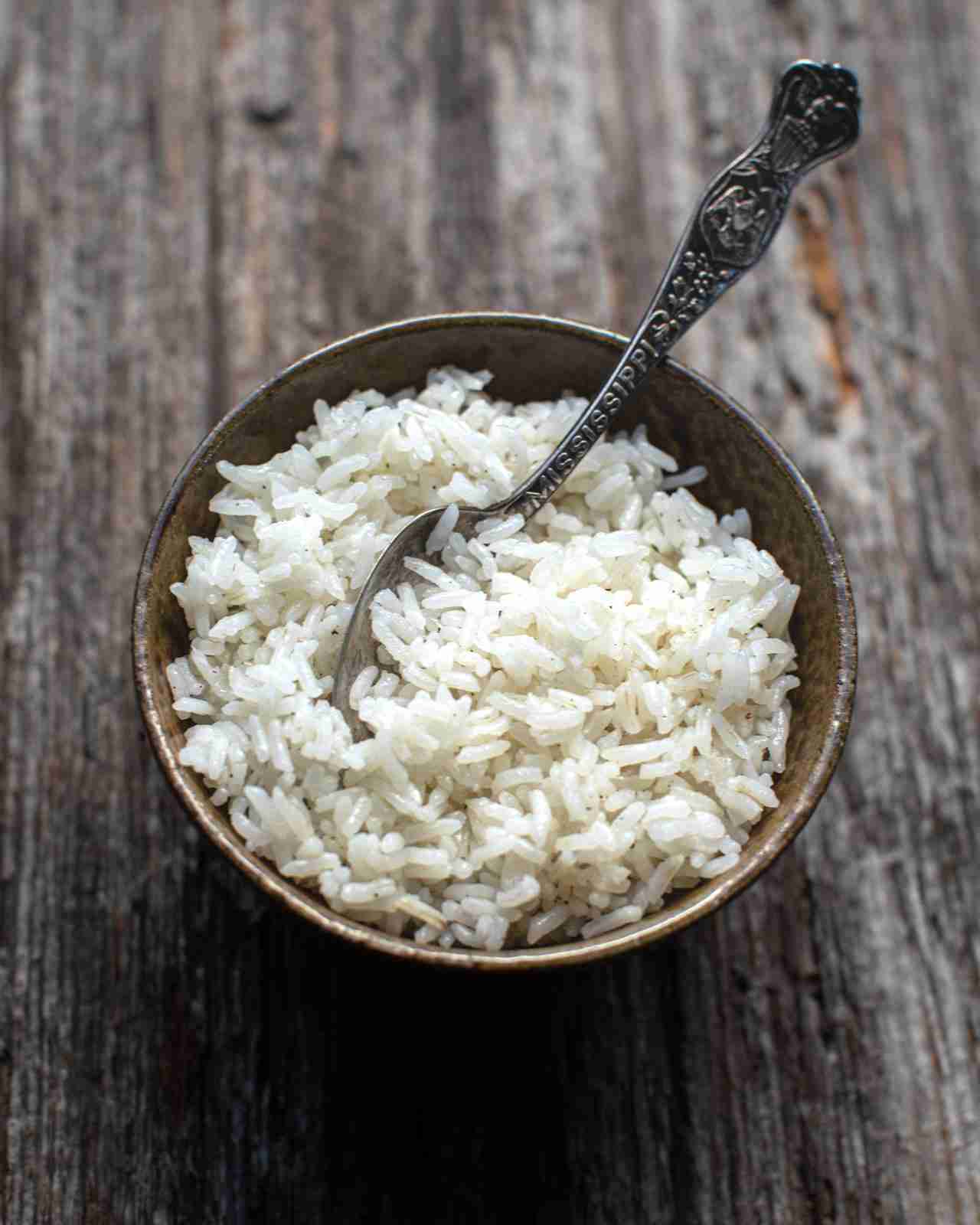
Rice is a culinary chameleon, boasting an astounding variety of types, each lending itself beautifully to different cuisines and dishes. Short-grain rice like Arborio, renowned for its creamy texture, is essential in risottos, where it absorbs broth while maintaining a robust bite. Conversely, long-grain rice varieties such as Basmati and Jasmine are known for their fragrant aroma and fluffy texture, making them perfect for pilafs and accompanying curries. Meanwhile, medium-grain rice, such as Calrose, strikes a balance, often used in sushi and stir-fries for its slightly sticky quality, allowing it to clump together just enough to hold toppings without falling apart.
Exploring specialty options expands our understanding of rice’s versatility. Brown rice, a whole grain, retains its nutrient-rich bran and germ layers, making it ideal for wholesome bowls and salads that require a nutty flavor and chewy texture. Sticky rice, popular in Southeast Asian cuisines, is the go-to for desserts and dumplings, providing a unique creaminess that captivates the palate. To provide clearer insights, the following table summarizes these diverse rice types and their culinary uses:
| Type of Rice | Culinary Uses |
|---|---|
| Short-Grain | Risottos, sushi |
| Long-Grain | Pilafs, curries |
| Medium-Grain | Stir-fries, paella |
| Brown Rice | Salads, grain bowls |
| Sticky Rice | Desserts, dumplings |
Enhancing Flavor and Nutrition: Techniques for Optimizing Rice Quality
To transform humble rice into a culinary delight, several techniques can be employed to enhance both its flavor and nutritional profile. One approach is soaking grains before cooking, which not only shortens the cooking time but also allows the grains to absorb water and activate enzymes that enhance flavor. Additionally, incorporating spices and herbs during the cooking process can elevate the overall taste. Common additions include:
- Bay leaf – imparts a subtle aromatic quality
- Cardamom – brings a warm, sweet note
- Cumin – adds earthiness and depth
- Turmeric – offers both color and an anti-inflammatory boost
Utilizing chicken or vegetable broth in place of water can also significantly enrich the flavor profile, providing a savory foundation that complements the rice’s natural sweetness.
Nutritional enhancement can be achieved through the careful selection of rice varieties and cooking methods. Brown rice is inherently more nutritious than its white counterpart because it retains the bran and germ layers, which are packed with fiber, vitamins, and minerals. Alternatively, wild rice and black rice are excellent options that can introduce unique flavors along with high antioxidant levels. Furthermore, cooking rice with adding vegetables such as peas, carrots, or bell peppers not only boosts the nutritional value but also makes for an appealing presentation. Here’s a simple comparison of common rice types and their health benefits:
| Rice Type | Flavor Profile | Nutritional Highlights |
|---|---|---|
| White Rice | Neutral | Low fiber, some protein |
| Brown Rice | Nutty | High fiber, magnesium, and antioxidants |
| Wild Rice | Earthy | High in protein, fiber, and B vitamins |
| Black Rice | Slightly sweet | High in antioxidants, iron, and fiber |
Sustainable Practices in Rice Milling: Innovations for a Greener Future
As the world becomes increasingly aware of the environmental challenges we face, innovations in rice milling are stepping up to the plate to embrace sustainability. Modern rice mills are now adopting cutting-edge technologies and practices that minimize waste and energy consumption. Among these advancements are biomass energy systems, which utilize byproducts from rice milling, such as husks and bran, to generate renewable energy. This not only reduces dependence on fossil fuels but also creates a circular economy within the farming and milling sectors.
In addition to energy efficiency, water conservation techniques are gaining traction. Mills are implementing closed-loop water systems, significantly reducing the amount of water wasted during the milling process. Moreover, eco-friendly packaging solutions are becoming a norm, as mills explore biodegradable and recyclable materials to replace traditional plastic. These strides in innovation are fostering a new era of rice milling that not only safeguards our environment but also caters to a growing consumer demand for ethically-sourced food products.
| Innovation | Benefits |
|---|---|
| Biomass Energy Systems | Reduces fossil fuel dependence, creates renewable energy from byproducts |
| Closed-Loop Water Systems | Minimizes water wastage, promotes efficient resource use |
| Eco-Friendly Packaging | Meets consumer demand for sustainable products, reduces plastic waste |
Concluding Remarks
As we draw the curtain on our exploration of rice mills and the journey of this humble grain from its origins to gourmet delicacies, it’s clear that there is much more beneath the surface than meets the eye. Each grain of rice carries with it stories of tradition, innovation, and the craftsmanship of those who dedicate their lives to transforming it. The intricate processes within rice mills not only preserve the integrity of the grain but also elevate its status in kitchens around the world.
Whether you’re a culinary enthusiast, a food historian, or simply curious about the art and science behind your daily rice bowl, understanding the nuances of rice milling unlocks a deeper appreciation for this staple food. As we savor the diverse flavors and textures that rice can offer, let’s remember the hands that nurture and refine it along the way.
the journey from grain to gourmet is not just about the food on our plates; it’s a celebration of culture, community, and the shared experience of nourishment. So the next time you enjoy a beautifully crafted rice dish, take a moment to reflect on its remarkable journey, and perhaps, consider your own role in the ever-evolving narrative of food. After all, in every grain of rice lies a world of secrets waiting to be uncovered.



