
Transforming Grains: The Journey Inside a Paddy Processing Factory
As dawn breaks over lush green fields, a subtle yet powerful metamorphosis begins. The sun’s rays dance upon verdant paddies, illuminating grains that hold the promise of nourishment and sustenance. These humble seeds—paddy rice—are destined for an unexpected journey, one that will take them from the tranquil embrace of the earth to the bustling heart of a processing factory. Inside these industrial sanctuaries, transformation occurs at a remarkable scale, where tradition meets innovation in a symphony of machines, labor, and meticulous craftsmanship.
With every step through the processing line, paddy rice undergoes a profound evolution. Join us as we explore the intricate processes that breathe life into these grains, unveiling the science and artistry behind paddy handling, milling, and packaging. Discover the stories woven into each kernel as we delve into the lives of those who work tirelessly to bring this staple from field to fork, highlighting the intricate interplay between nature, technology, and human skill. In this exploration, we will uncover the minutiae of a world that often goes unnoticed yet serves as a vital backbone to our diets and culinary traditions. Through the eyes of the factory and its workers, let us embark on a journey that celebrates the transformation of grains and the dedicated hands that nurture them along the way.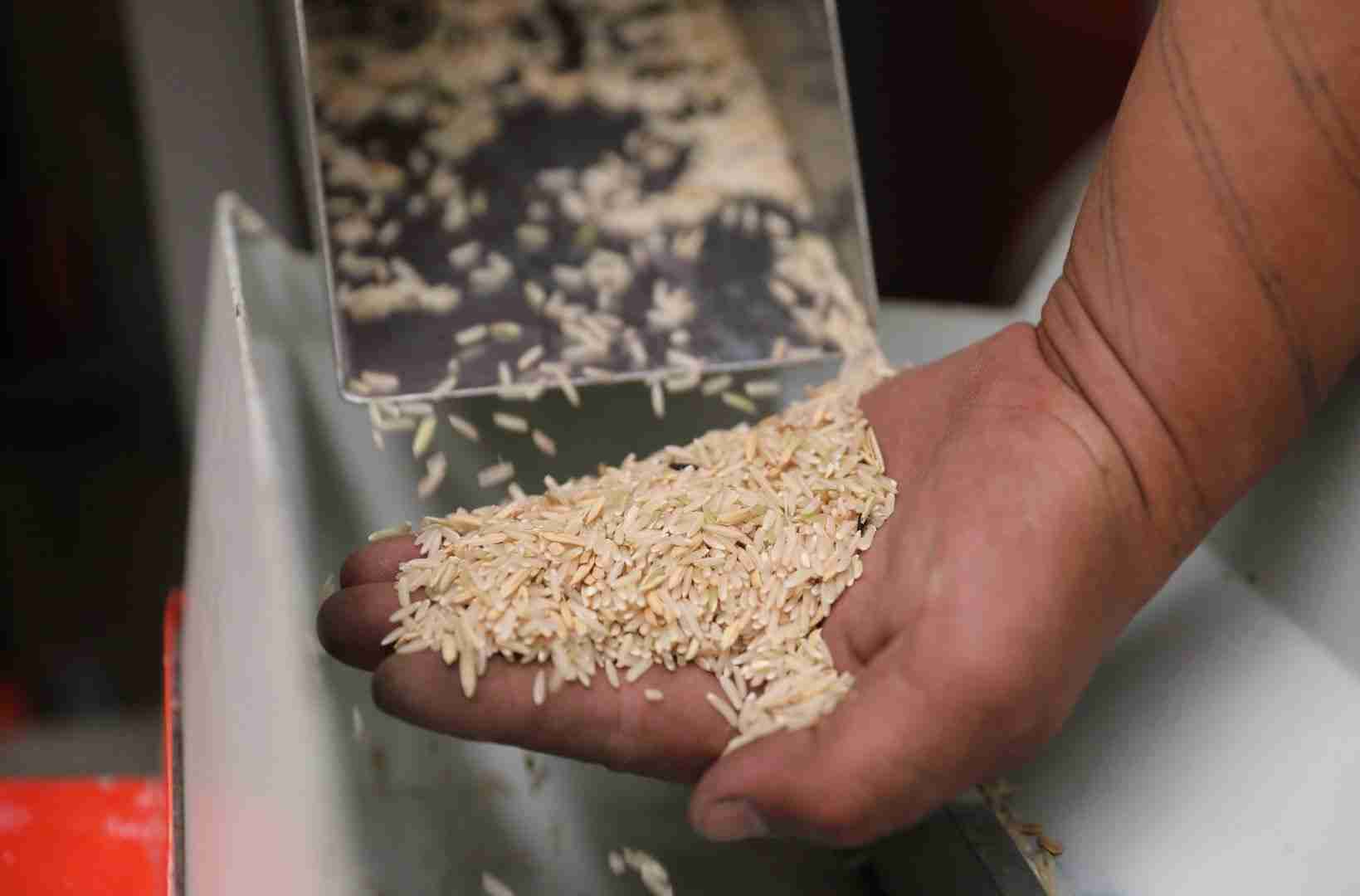
Understanding Paddy Processing: From Field to Factory
The journey of paddy from the lush green fields to the bustling processing factory is a testament to the meticulous craftsmanship and modern technology that transform raw grains into consumable rice. Harvesting is the first pivotal step, where the golden stalks are cut and gathered, often utilizing specialized machinery for efficiency. Once harvested, the paddy is conveyed to the factory where it embarks on a thorough journey through several key processes. These processes include dehusking, milling, and polishing, each distinct stage designed to ensure the grain’s quality and longevity is optimized before it reaches consumers’ tables.
Within the factory walls, the paddy undergoes various transformations. The initial dehusking removes the inedible outer husk, revealing the brown rice beneath. This brown rice is then processed through a series of milling machines, which refine it further into white rice, a staple in many diets worldwide. To enhance texture and flavor, a final polishing step may be applied, giving the grains a shiny appearance. Below is a table summarizing these critical processes:
| Process | Description |
|---|---|
| Harvesting | Collecting mature paddy from fields. |
| Dehusking | Removing the outer husk of the paddy. |
| Milling | Grinding brown rice to produce white rice. |
| Polishing | Enhancing grain appearance and flavor. |
This intricate process not only underscores the importance of paddy processing but also highlights the intersection of tradition and innovation in the agricultural sector. As grains travel through the factory, they are subjected to rigorous quality control measures, ensuring that every bag of rice embodies the dedication and expertise of countless individuals. The transformation from grain to meal is not merely a physical change but a journey that connects agriculture to culinary heritage.

The Technology Behind Grain Transformation
In the heart of a paddy processing factory, an intricate dance of technology and innovation unfolds. The transition from raw, unrefined grain to polished rice is facilitated by cutting-edge machinery designed to optimize quality and efficiency. Key processes such as hulling, polishing, and grading employ a series of automated systems that not only enhance yield but also improve the grain’s nutritional value. Each machine is calibrated to deliver precise results, ensuring that the final product meets both industry standards and consumer expectations. The integration of sensors and AI technology has further revolutionized this sector, allowing for real-time monitoring and adjustments, leading to less waste and improved resource management.
Furthermore, the factory environment is a symphony of sound and motion, as conveyor belts transport paddy through various stages of processing. An array of specialized equipment works in harmony, including:
- De-huskers – remove the outer shell, revealing the raw grain inside.
- Whitener machines – polish the grain to a glossy finish.
- Color sorters - detect and eliminate any discolored or damaged grains.
This seamless integration of modern machinery ensures that the grains not only retain their essential nutrients but are also visually appealing, catering to a global market’s diverse tastes. The factory’s commitment to sustainability is evident in its energy-efficient practices and waste reduction initiatives, highlighting the future of grain processing as one that is as environmentally responsible as it is technologically advanced.

Quality Control Measures: Ensuring Excellence at Every Stage
Within the intricate workings of a paddy processing factory, quality control measures play an indispensable role in maintaining the integrity of the final product. From the moment paddy arrives at the facility, a series of meticulous checks are implemented to ensure only the highest quality grains proceed through the processing. Visual inspections, moisture assessments, and contaminant screenings are some of the first lines of defense in safeguarding quality. Each batch is thoroughly analyzed for parameters such as kernel shape, color uniformity, and any signs of defects that could compromise both appearance and flavor.
As the grains advance through the processing stages, standard operating procedures (SOPs) ensure that the machinery operates within specified parameters. The use of automated systems for sorting and milling adds an additional layer of precision, where every grain is subjected to continuous monitoring. Additionally, regular training sessions for staff reinforce the significance of adhering to quality benchmarks. Below is a concise overview of the vital quality control measures:
| Measure | Description |
|---|---|
| Visual Inspections | Check for defects and color uniformity. |
| Moisture Assessments | Determine moisture levels to prevent spoilage. |
| Contaminant Screenings | Ensure no foreign particles are present. |
| Automated Sorting | Use technology for precision in grading. |
| Regular Training | Educate staff on quality standards and procedures. |
Sustainable Practices in Paddy Processing: A Path to Eco-Friendly Operations
In recent years, the paddy processing industry has been undergoing a pivotal transformation towards sustainable practices that minimize environmental impact while maximizing efficiency. Factories are embracing innovative technologies and techniques focused on resource conservation, which not only enhance production but also support ecological balance. Key methods include:
- Water Management: Implementing precision irrigation and recycling systems to reduce water consumption.
- Energy Efficiency: Utilizing solar energy panels and biofuel systems to power machinery, which significantly lowers carbon emissions.
- Waste Minimization: Adopting zero-waste policies by repurposing husks and bran as animal feed or bioenergy sources.
Equally important is the commitment to community engagement, where factories collaborate with local farmers to promote organic farming methods. This symbiotic relationship ensures sustainable sourcing of raw materials while also empowering the agricultural community. Furthermore, many processing facilities are beginning to adopt transparency initiatives, allowing consumers to trace the origins of their rice products. This approach encourages better farming practices, resulting in:
| Benefits | Description |
|---|---|
| Environmental Health | Reduced pesticide runoff and improved soil quality. |
| Social Impact | Increased farmer income and improved living conditions. |
| Consumer Trust | Enhanced credibility through transparent practices. |
This comprehensive approach not only sets a benchmark in ecological responsibility but also aligns with the growing consumer demand for sustainable food sources, driving the industry towards a greener future.
Insights and Conclusions
As we draw the curtain on our exploration of paddy processing, it’s clear that the journey from field to factory is a meticulous dance of nature and technology. Each grain carries with it a story of agricultural heritage, transforming through processes that meld age-old traditions with modern efficiency. In the heart of the processing factory, workers become artisans, crafting the very staples that nourish populations around the globe.
From the gentle rustle of harvested paddy to the whirr of machinery, every step is imbued with purpose, aiming to deliver quality and sustainability. As we reflect on this transformative journey, we recognize that the humble grain doesn’t merely feed our bodies; it also connects us to the land and to each other. The narrative of the paddy – once a simple seed – becomes a richer tapestry woven through innovation and care, affirming the vital role of processing in our food system.
So the next time you savor that bowl of rice, remember the intricate ballet of activity that unfolded to bring it to your table. Our understanding of this process not only deepens our appreciation for the meal but also highlights the importance of responsible practices in safeguarding the grains for generations to come. In the world of grain transformation, every venture is both a conclusion and a new beginning – a cycle of life that continues to evolve.



