
In the heart of bustling rice paddies, where the golden grains sway gently in the breeze, a remarkable journey begins—one that transforms humble seeds into a staple that graces dining tables around the world. “From Paddy to Plate: Unveiling the Rice Processing Journey” invites readers to explore this intricate transformation, shedding light on the meticulous processes that lie behind one of humanity’s oldest and most vital food sources. As we trace each step from the lush fields of harvest to the polished grains that fill our bowls, we uncover the craftsmanship, technology, and tradition that sustain this essential crop. Join us as we delve into the unseen world of rice processing, celebrating not only the grain itself but also the dedicated hands that bring it to our tables.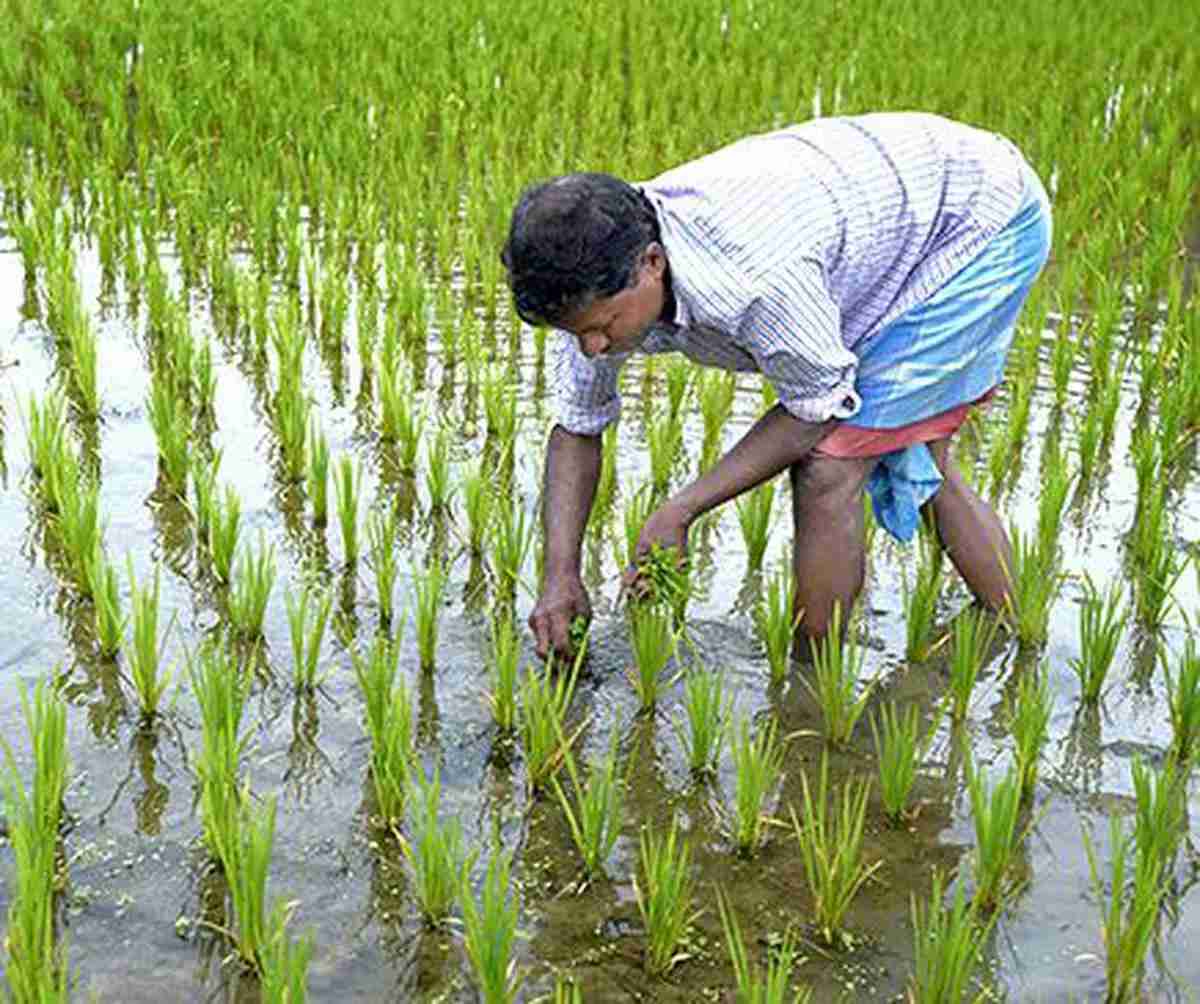
The Cultivation Secrets of Premium Rice Varieties
Unlocking the secrets behind premium rice cultivation involves a meticulous blend of tradition and innovation. Growers focus on selecting elite seeds known for their unique tastes and textures, such as Basmati and Jasmine rice, each offering a distinct flavor profile. Proper soil preparation is crucial, where farmers implement sustainable practices like crop rotation and the use of organic fertilizers to enrich nutrients. Additionally, water management plays a pivotal role, with careful irrigation techniques ensuring that rice paddies are neither flooded nor too dry, creating optimal conditions for growth. Other essential practices include:
- Regular pest monitoring: To protect crops without harmful chemicals.
- Timely harvesting: Key to preserving quality and taste.
- Post-harvest handling: Including drying and storage techniques that prevent spoilage.
The journey from field to plate is significantly influenced by processing methods that enhance the rice’s culinary value. Once harvested, the rice undergoes a series of transformations—dehusking, milling, and polishing—that remove the outer husk while preserving the grain’s essential qualities. This step is crucial as it determines the aroma, texture, and nutrition of the final product. To better understand the impact of processing methods, the following table illustrates the differences between common rice varieties and their resultant qualities:
| Rice Variety | Aroma | Texture | Nutritional Value |
|---|---|---|---|
| Basmati | Fragrant | Fluffy | High in fiber |
| Jasmine | Floral | Sticky | Moderate carbohydrates |
| Arborio | Subtle | Creamy | Rich in starch |
Transforming Harvests: The Art and Science of Rice Milling
Every grain of rice that reaches our plates has undergone a meticulous transformation, turning simple paddy into the polished product we expect. The journey begins in the field, where paddy is harvested with care. As the rice grains dry under the sun, they prepare for the next crucial phase known as milling. This process is not just mechanical; it blends art with science to ensure each grain is perfected. During milling, several stages are crucial, including hulling, where the outer husk is removed, and polishing, which gives the rice its shiny appearance.
Successful milling hinges on various factors that determine the quality and yield of the final product. Key considerations include:
- Moisture Levels: Maintaining optimum moisture before milling is vital for grain integrity.
- Milling Techniques: Different methods can impact the texture, aroma, and taste of the final product.
- Quality Control: Regular testing ensures that the grains meet the culinary standards desired by consumers.
To illustrate the rice milling stages, refer to the table below:
| Stage | Description |
|---|---|
| Harvesting | Collecting ripe rice plants from the fields. |
| Drying | Reducing moisture content for optimal preservation. |
| Hulling | Removing the husk to release the brown rice. |
| Polishing | Smoothing the rice surface for aesthetic appeal. |
| Packing | Sealing rice into bags for distribution. |
Nutritional Enhancements in Rice Processing Techniques
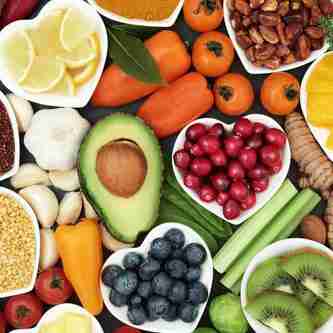
As rice travels from its paddy origins to the dinner table, various processing techniques can dramatically enhance its nutritional profile. Traditional methods have often focused primarily on the milling process, where the husk, bran, and germ are removed, yielding white rice. However, with advancements in food technology, there are now innovative approaches that aim to preserve or even boost the grain’s health benefits. Some of these techniques include:
- Parboiling: This process helps retain nutrients by partially cooking the rice while still in the husk, allowing valuable vitamins and minerals to infuse into the grain.
- Fortification: Adding micronutrients such as iron, folic acid, and zinc during processing can significantly enhance rice’s nutritional value, helping to combat deficiencies in populations reliant on rice as a staple food.
- Whole Grain Promotion: By minimizing the removal of the bran layer, brown rice and other whole grain varieties are gaining popularity, recognized for their higher fiber content and antioxidant levels.
Utilizing these enhancements not only improves the dietary benefits of rice but also addresses global health issues linked to micronutrient deficiencies. The following table summarizes the nutritional differences between regular white rice and fortified options, showcasing the potential impact of these processing innovations:
| Type of Rice | Calories (per 100g) | Iron (mg) | Fiber (g) | Folic Acid (µg) |
|---|---|---|---|---|
| White Rice | 130 | 0.2 | 0.4 | 0 |
| Brown Rice | 111 | 0.6 | 1.8 | 3 |
| Fortified Rice | 130 | 4.0 | 0.4 | 100 |
Sustainable Practices for a Greener Rice Supply Chain
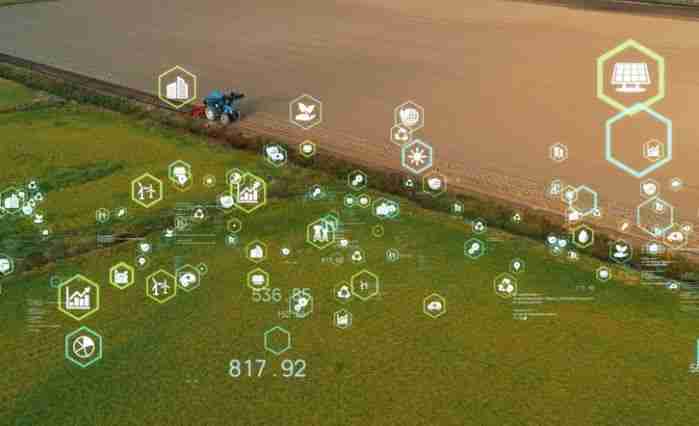
Adopting sustainable practices in rice agriculture is crucial for fostering a greener supply chain that benefits both the environment and the communities involved. Farmers can implement regenerative agriculture techniques, such as crop rotation and cover cropping, which enhance soil health and biodiversity. These practices not only improve yields over time but also mitigate soil erosion and nutrient depletion. Additionally, integrating modern irrigation technologies can facilitate efficient water management, ensuring that this precious resource is used wisely during the growing season. By minimizing water waste and promoting eco-friendly pest control methods, we can greatly reduce the environmental impact of rice cultivation.
The processing stage of the rice supply chain also presents numerous opportunities for sustainability. Employing renewable energy sources, like solar or biomass, in milling operations can substantially decrease carbon footprints while promoting energy independence. Furthermore, adopting zero-waste principles in processing facilities can lead to the valorization of by-products, turning what was once discarded into valuable resources for animal feed or biofuel. Studies illustrate the economic and environmental benefits of these practices:
| Practice | Benefit |
|---|---|
| Crop Rotation | Increases soil fertility and biodiversity |
| Renewable Energy Use | Reduces carbon footprint in processing |
| Zero-Waste Processing | Turns waste into valuable resources |
In Summary
As we reach the end of our exploration into the fascinating journey of rice from paddy to plate, it’s clear that this humble grain is far more than a mere dietary staple. What began as a delicate seedling in lush, sunlit fields transforms into the diverse array of rice varieties gracing our kitchens and tables worldwide. Each step of the processing journey tells a story—one of tradition, innovation, and the tireless efforts of farmers and processors dedicated to bringing this essential food to our meals.
Understanding this journey not only deepens our appreciation for rice itself but also connects us to the broader agricultural landscape and the intricate systems at play. As you savor your next bowl of rice, take a moment to reflect on the intricate path it traveled—from paddy fields to processing facilities, and finally to your plate—and consider how our food choices intertwine with the narratives of countless lives. In every grain of rice lies a story waiting to be shared, a reminder of nature’s bounty and human perseverance, inviting us all to celebrate and respect the journey it undertook just to reach us.



