
In the heart of agricultural advancement, where tradition meets technology, the world of rice milling stands as a testament to both heritage and innovation. Among the various types of milling machinery, the 5-ton rice mill has emerged as a pivotal player, striking a balance between efficiency and output for rice producers of all scales. As rice remains a staple food for billions across the globe, understanding the intricacies of these mills is essential for enhancing productivity and ensuring quality.
In this comprehensive guide, we will delve into the nuanced workings of 5-ton rice mills, exploring their design, operational efficiency, and the myriad ways they contribute to the rice supply chain. Whether you are a seasoned mill operator, an aspiring entrepreneur in the agri-tech industry, or a curious reader interested in the mechanics of food production, this exploration promises to illuminate the remarkable processes that transform raw paddy into polished grains. Join us as we uncover the essential factors that dictate the efficiency of these machines, highlighting best practices and innovations that can drive success in the competitive landscape of rice milling.
Understanding the Mechanisms Behind 5 Ton Rice Mills
The efficiency of a 5 ton rice mill is rooted in a range of sophisticated mechanisms that work in unison to streamline the rice processing operation. At the heart of these mills is the dehusking unit, which employs rubber rollers to gently remove the husk without damaging the rice grains. This is followed by the milling chamber, where the grains are polished and refined. Additionally, utilizing a separation system enhances the process by categorizing the output based on size and quality, ensuring a uniform product. Each of these components is designed to increase processing speed while maintaining the integrity of the rice, thereby optimizing overall productivity.
Moreover, modern 5 ton rice mills incorporate advanced technology to monitor and control the milling process. Features such as automatic feeding mechanisms, which regulate the flow of rice into the mill, contribute to minimizing waste and maximizing efficiency. Furthermore, the integration of digital control systems allows operators to adjust parameters easily, such as milling time and temperature. This not only enhances precision but also reduces operational costs, as energy consumption is closely monitored. Utilizing environmentally friendly practices, these mills are increasingly equipped with dust collection systems that mitigate environmental impact while ensuring a clean working environment.
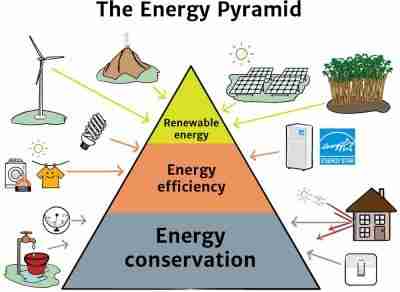
Evaluating Energy Consumption and Cost-Effectiveness
When it comes to assessing the energy consumption of 5-ton rice mills, there are several critical factors to consider for a thorough evaluation. Understanding the power requirements of machinery such as milling units, separators, and fans is instrumental in predicting operational costs. To simplify this process, consider monitoring the following aspects:
- Motor efficiency: Higher efficiency motors consume less energy.
- Operating hours: Total hours of operation within a typical cycle significantly impact energy use.
- Production output: The quantity of rice processed per hour can provide insights on performance versus energy costs.
To illustrate the relationship between energy consumption and cost-effectiveness in 5-ton rice mills, the table below highlights common energy metrics and cost estimates:
| Parameter | Estimated Value |
|---|---|
| Average Energy Consumption (kWh) | 50 – 100 |
| Electricity Cost ($/kWh) | 0.10 |
| Monthly Operating Hours | 160 |
| Estimated Monthly Energy Cost | $800 – $1600 |
By analyzing such metrics, mill operators can gauge the cost-effectiveness of their operations. Additionally, implementing energy-efficient practices, such as regular maintenance and upgrading to high-efficiency equipment, can significantly reduce operational costs over time, enhancing the overall profitability of the rice milling process.

Optimizing Grain Processing for Enhanced Output
Achieving maximum efficiency in grain processing, particularly in 5-ton rice mills, requires meticulous attention to various operational components. First and foremost, integrating advanced machinery with high precision can significantly minimize waste and improve yield quality. Consider the implementation of automated systems for grading and sorting rice grains; this not only streamlines processes but also ensures uniformity in the final product, boosting overall consumer satisfaction. Furthermore, regular maintenance of milling equipment is pivotal. Ensuring that machines are well-lubricated and free from wear can drastically reduce downtime and enhance productivity.
Equally important is the management of input variables, such as moisture content and grain storage conditions. Maintaining optimal moisture levels before milling not only aids in achieving a finer product but also extends the shelf life of processed rice. To illustrate the impact of these factors, below is a simple comparison of outcomes based on moisture content:
| Moisture Content (%) | Yield (%) | Quality Rating (1-10) |
|---|---|---|
| 12 | 85 | 9 |
| 14 | 78 | 7 |
| 16 | 72 | 5 |
This table demonstrates that maintaining moisture levels around 12% yields the best results, not only maximizing output but also ensuring the quality of the rice remains high. By adhering to these guidelines and optimizing both processing techniques and environmental conditions, rice mill operators can significantly enhance their operational output while meeting customer expectations for quality.
Essential Maintenance Tips for Longevity and Performance
Maintaining a 5-ton rice mill for optimal performance involves several key practices that can improve both its longevity and operational efficiency. Regular cleaning of the mill components is essential, as residue and dust can accumulate and affect its functionality. Implementing a daily maintenance schedule can minimize wear and tear, ensuring that every part operates smoothly. Check for any signs of wear on belts and rollers, and replace any worn components promptly to prevent further damage. To enhance productivity, consider using quality lubricants on moving parts, as this reduces friction and wear, allowing for smoother operations.
Additionally, it’s vital to monitor the machine’s performance metrics consistently. Keeping track of aspects such as grain throughput, milling efficiency, and energy consumption can help identify potential issues before they escalate. Create a simple record-keeping system to log performance data, which can highlight trends or irregularities over time. Here’s a quick overview of essential metrics to track:
| Performance Metric | Optimal Range |
|---|---|
| Grain Throughput | 250-400 kg/hour |
| Milling Efficiency | 70-85% |
| Energy Consumption | 3-5 kW |
Fostering a culture of vigilance and meticulous care not only safeguards the machinery but also enhances its productivity, ensuring that the rice milling process remains efficient and cost-effective.
The Conclusion
As we draw the curtain on our exploration of the efficiency of 5 ton rice mills, it is evident that these machines play a pivotal role in modern rice processing. Their ability to balance productivity, precision, and cost-effectiveness positions them as invaluable assets in the agricultural landscape. From understanding the intricacies of their operation to evaluating their impact on overall production efficiency, we have uncovered the many layers that contribute to the success of rice milling enterprises.
In a world increasingly driven by innovation, embracing technology seems not just beneficial, but essential for those looking to sustain and advance their operations. The insights gleaned from this comprehensive guide serve as a foundation for making informed decisions, maximizing output, and ensuring quality—a trifecta that is crucial for thriving in today’s competitive market.
Whether you are a seasoned rice mill operator or a newcomer eager to dive into this flourishing industry, the knowledge you’ve gained here will empower you to harness the full potential of 5 ton rice mills. As you move forward, may your ventures be fruitful, and your rice milling endeavors prosperous. Thank you for joining us on this journey through the intricacies of rice milling efficiency!



