
Transforming Harvests: Inside the Paddy Processing Factory
In the quiet embrace of the countryside, where emerald fields sway gently in the breeze and the sun casts a golden hue over endless rows of rice, lies a world of transformation unseen to the casual observer. Here, at the heart of agricultural innovation, paddy processing factories pulse with life and purpose, converting harvested grains into the staple foods that nourish billions. This article invites you on a journey beyond the fields—into the intricate processes that breathe new life into the humble paddy. From the clattering sounds of machines to the careful hands of skilled workers, we will explore the methods that elevate a simple crop into an essential ingredient for global cuisines. Discover the blend of tradition and technology that characterizes these facilities, and learn how they play a pivotal role in ensuring food security, sustainability, and economic vitality in communities around the world. Welcome to the fascinating world of paddy processing—where harvests transform into hope.
Innovative Techniques for Efficient Paddy Processing
In the quest for enhancing productivity and sustainability in paddy processing, modern facilities are embracing a range of innovative techniques. One of the most significant advancements is the integration of automated milling systems, which not only streamline operations but also minimize grain loss during the milling process. These systems often utilize smart technology, allowing for real-time monitoring and adjustments to ensure optimal milling conditions. Additionally, the adoption of energy-efficient machinery has led to reduced operating costs and a smaller carbon footprint, making paddy processing more environmentally friendly.
Alongside automation, biotechnology plays a pivotal role in improving grain quality and shelf life. Techniques such as enzyme treatments help to enhance the nutritional value while reducing the need for chemical preservatives. Furthermore, implementing water-saving practices in the processing stages is becoming vital, particularly in regions facing water scarcity. Among these practices are efficient water recycling systems and technologies that allow for precision irrigation during the pre-processing stages. The combination of these strategies not only boosts efficiency but also promotes sustainable practices in paddy processing, shaping a resilient industry for the future.

Sustainable Practices in Harvest Management
Integrating sustainable practices into paddy harvest management is essential for protecting the environment and ensuring economic viability for local communities. One of the foremost strategies is the adoption of integrated pest management (IPM), which minimizes chemical pesticide use. By employing biological controls and encouraging natural predators, farmers can not only enhance crop yield but also preserve biodiversity. Furthermore, the use of crop rotation and diversifying plant species fosters soil health and mitigates pest outbreaks. Incorporating cover crops during off-seasons can prevent soil erosion and enhance nutrient availability, leading to stronger harvest outputs.
Water management is another crucial aspect of sustainable paddy harvesting. Techniques such as alternate wetting and drying (AWD) can significantly reduce water use, helping to conserve this precious resource in areas prone to drought. This approach not only lowers water consumption but also curtails methane emissions associated with traditional flooded rice cultivation. Additionally, utilizing rainwater harvesting systems can aid in managing water resources more effectively. The following table summarizes some prominent sustainable practices currently gaining traction in paddy processing factories:
| Practice | Benefits |
|---|---|
| Integrated Pest Management (IPM) | Reduces chemical use, promotes biodiversity |
| Crop Rotation | Enhances soil health, prevents pests |
| Alternate Wetting and Drying (AWD) | Conserves water, reduces methane emissions |
| Rainwater Harvesting | Efficient water management, irrigation sustainability |
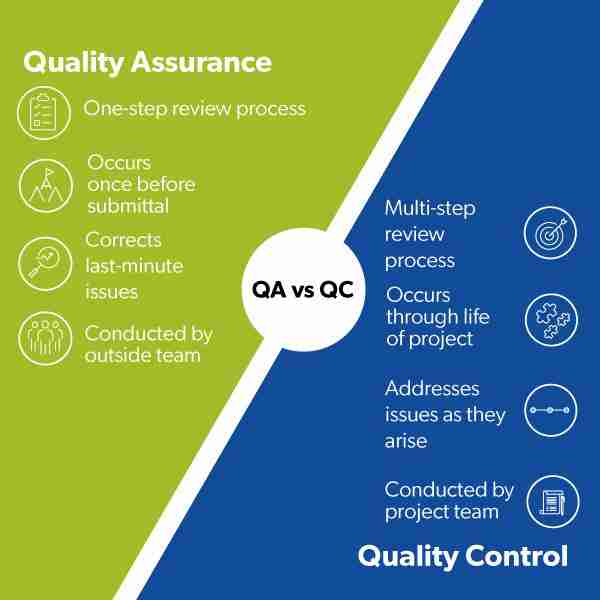
Quality Control Measures for Premium Rice Production
In the journey from paddy field to plate, maintaining the integrity and excellence of premium rice is paramount. This begins with stringent quality control measures implemented at various stages of the production process. At the initial phase, paddy grains undergo meticulous inspection to identify and eliminate any substandard grains, ensuring that only the finest quality enters the processing facility. Throughout the milling stage, multiple checks for moisture content, grain size, and purity are conducted. This extends to the sorting process, where advanced technology and manual oversight work in tandem to guarantee that broken grains and impurities are separated effectively. Freshness is preserved through careful storage, monitored for appropriate temperature and humidity levels to maintain quality.
Furthermore, adherence to established quality standards is vital for ensuring that the finished product meets consumer expectations. The utilization of a comprehensive quality assessment framework encompasses various parameters, such as:
- Aroma: Evaluating the distinctive fragrance commonly associated with premium rice.
- Texture: Assessing the grain’s mouthfeel and cooking characteristics.
- Color: Ensuring uniformity in appearance, free from discoloration.
- Pest and Contamination Checks: Rigorous tests to prevent any foreign substances.
Data collected from these assessments is carefully analyzed and documented, contributing to a robust feedback loop that informs future harvest practices. Below is a summary of key quality control metrics:
| Quality Metric | Standard Requirement | Monitoring Frequency |
|---|---|---|
| Moisture Content | < 14% | Every Batch |
| Broken Grains | < 2% | Hourly |
| Grain Purity | 98%+ | Daily |
| Aroma Test | Pass/Fail | Every Batch |
Future Trends Shaping the Paddy Processing Industry
As the global demand for rice continues to rise, the paddy processing industry is poised for significant evolution. Advances in automation and artificial intelligence are rapidly changing the way processing facilities operate. Automated sorting and milling systems improve efficiency while reducing human error, leading to higher-quality rice production. Moreover, AI-driven analytics enable producers to predict demand and optimize supply chains, minimizing waste and maximizing profit. With the integration of smart technology, operations are becoming more streamlined, resulting in a more sustainable approach to paddy processing.
In addition to technology, environmental sustainability is shaping industry practices. Producers are now increasingly adopting eco-friendly processing techniques that conserve water and energy, addressing global concerns over climate change. Initiatives such as organic farming and waste recycling are becoming commonplace, with facilities implementing systems to convert by-products into biofuel or organic fertilizers. This transition not only leads to cost savings but also enhances the brand value, resonating with environmentally conscious consumers. Rising regulatory pressures will undoubtedly further accelerate these trends as the industry aims to establish a more sustainable and responsible future.
| Trend | Description |
|---|---|
| Automation | Increased use of machines for sorting and milling to enhance efficiency. |
| AI Analytics | Utilization of AI to predict demand and optimize logistics. |
| Eco-friendly Practices | Adoption of sustainable techniques to reduce environmental impact. |
| Waste-to-Value Solutions | Converting by-products into biofuels or organic fertilizers. |
Closing Remarks
As we conclude our journey through the intricate world of paddy processing, it’s clear that the transformation of harvests is more than just a mere conversion of grain. It is a dance of time-honored traditions and cutting-edge technology, working in harmony to deliver nourishment that transcends borders and cultures. From the fields to the factory, every step in this meticulous process reflects not only an agricultural legacy but also a commitment to sustainability and innovation.
The paddy processing factory stands as a testament to human ingenuity, where generations of knowledge intersect with modern methodologies to enhance quality and efficiency. As we reflect on this behind-the-scenes glimpse, we are reminded of the vital role these facilities play in our global food system, serving as the unseen backbone of the rice industry.
In an era where food security is of paramount importance, understanding the complexities of paddy processing invites us to appreciate the journey from seed to table. The future of our harvests depends on continued advancements in this field, promising a richer, more sustainable agricultural landscape. As we turn the page on this exploration, one thing remains clear: the story of rice is a narrative woven through perseverance and progress, nourishing not just bodies, but also communities worldwide.



